 Tampa Siding
 Why Board & Batten Fits So Many Land O' Lakes Homes
Drive through Land O' Lakes and you'll see why board and batten has become one of the most requested siding styles in the area. The wide lots, ranch and modern farmhouse floor plans, and mix of newer construction with older single-story homes all lend themselves to the clean vertical lines board and batten creates. It reads as sturdy and understated rather than flashy, which fits the character of the neighborhood, and it pairs well with the horizontal lap siding and stone or brick accents already common on homes throughout this part of the Tampa Bay area.
But board and batten is also a style that punishes a bad installation faster than most. The vertical panels and raised battens create more seams, more fastener points, and more surfaces exposed edge-on to wind-driven rain than a standard lap profile. In a climate like ours, that means the material and the installation method both have to be right, not just the look.
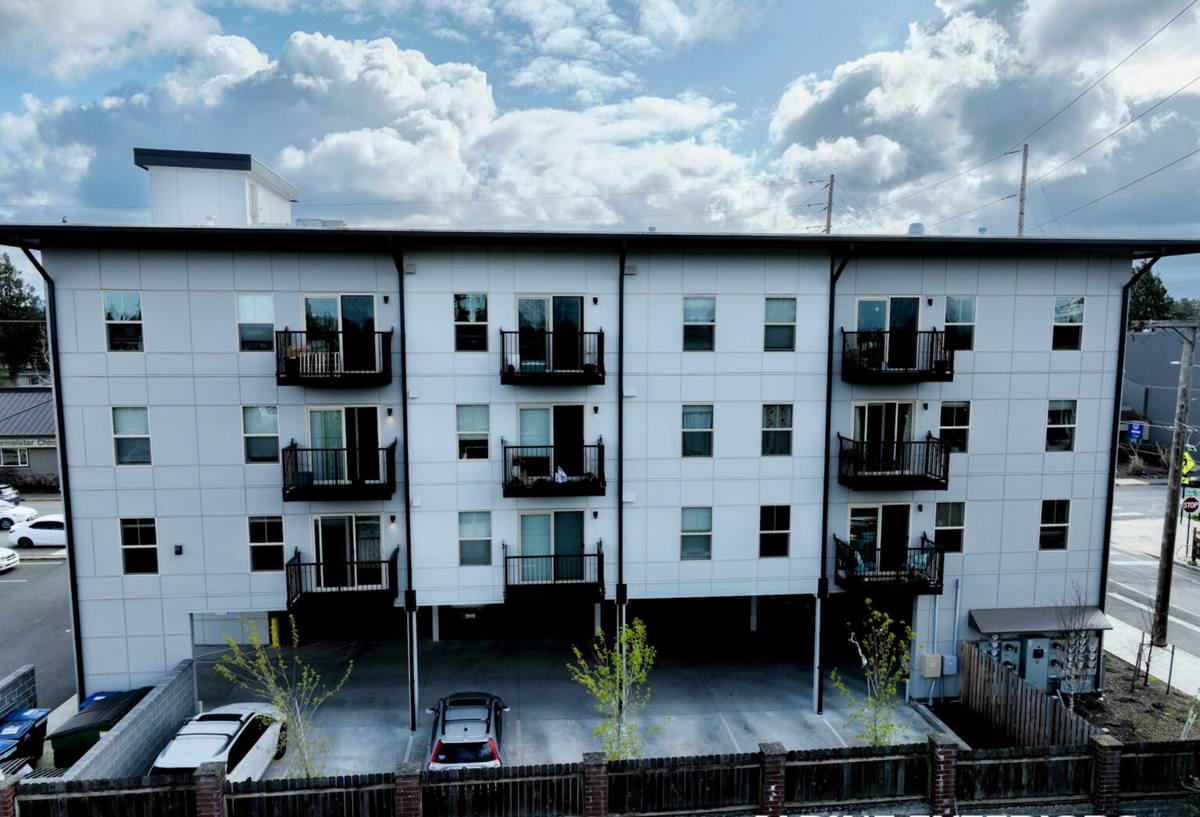
What Tampa Bay's Climate Actually Does to Board & Batten Siding
Land O' Lakes sits inland from the coast, but it's still squarely in the path of everything that makes Gulf Coast Florida hard on exterior materials.
- Hurricane-force winds put direct lateral load on every panel and batten, and they turn any loose or under-fastened piece into the first thing that fails in a storm.
- Intense, year-round UV breaks down paint film and lower-grade coatings faster here than almost anywhere else in the country, which shows up first as fading and chalking on vertical surfaces that face the sun most of the day.
- Wind-driven rain gets pushed sideways into every seam and joint on a board and batten wall, which is exactly where water intrusion problems start if the panels, battens, and the water-resistive barrier behind them weren't installed with real drainage in mind.
- Salt air moving inland off Tampa Bay accelerates corrosion on fasteners and trim, which matters a great deal on a siding style that depends on hundreds of exposed batten fasteners to stay tight over the life of the house.
None of that is unique to Land O' Lakes, but board and batten's extra seams and fastener count make it less forgiving of shortcuts than a standard horizontal lap job would be.
Why the Material Behind the Look Matters More Than the Look Itself
Board and batten can be built out of several different materials, and from the street they can look nearly identical. The difference shows up five, ten, and twenty years later.
Wood board and batten is the traditional choice and can look great, but it's a maintenance commitment — repainting, caulking, and watching for rot at every batten joint, especially with the humidity we carry most of the year. Vinyl board and batten is low-maintenance but it's a thin, flexible material; in high wind it can rattle, crack, or pull away from fastening points, and it has no real fire resistance. Engineered wood products bring their own moisture-sensitivity questions if any edge or cut isn't fully sealed and maintained.
We install James Hardie fiber cement exclusively, on every siding job we do, including board and batten. It's not because it's the only material that can look right — it's because it's the only one we're willing to put our name behind for a Tampa Bay wind and humidity environment. Fiber cement doesn't burn, doesn't rot, resists the swelling and shrinking that opens up joints over time, and is engineered specifically for high-humidity, high-UV climates.
The James Hardie Board & Batten System We Install
Hardie's board and batten look is built from two components working together, not a single flimsy panel:
HardiePanel Vertical Siding
A fiber cement panel installed as the base "board," available in several textures, that forms the primary weather barrier for the wall.
Hardie Trim Battens
Fiber cement trim boards installed over the panel seams to create the raised vertical lines that define the board and batten look. Because the battens are the same non-combustible, moisture-stable material as the panel behind them, the whole assembly ages as one system instead of the trim failing years before the field panel does — which is a common problem when wood or composite trim gets mixed with a different base material.
Everything comes prefinished with Hardie's ColorPlus factory finish, which is baked on under controlled conditions rather than field-applied. For a wall style that's almost entirely vertical and takes direct UV exposure most of the day, that finish is what keeps the color from chalking and fading the way a job-site paint job typically does here within a few years.
What a Correct Board & Batten Installation Actually Involves
The style is simple to picture but not simple to install correctly. The details that matter most:
- A continuous weather-resistive barrier behind the panels, lapped and taped correctly so any water that gets past the siding has somewhere to go besides your sheathing.
- Proper drainage space behind the panel so incidental moisture can escape rather than sit against the wall assembly — critical given how much wind-driven rain this area sees.
- Correct fastener type, spacing, and embedment sized to Hillsborough County's wind zone requirements, not a generic national minimum. Board and batten has more fastener points than lap siding, and every one of them needs to be right.
- Flashing at every horizontal transition — window heads, roof lines, and any place the vertical run breaks — since water always finds the horizontal seam first.
- Batten placement over structural framing where required, not just over the panel seam, so the trim is actually anchored and won't work loose under wind load.
- Sealed, not caulked-over, joints at penetrations and terminations, following Hardie's actual installation instructions rather than a generic caulk-everything approach.
Skip any one of these and the wall can still look right at the walkthrough. The problems show up two or three years later, usually as a soft spot near a window head or a batten that's started to pull away — long after a rushed crew has moved on.
Board & Batten Material Comparison
| Material | Wind performance | Moisture behavior | Maintenance | Fire resistance |
|---|---|---|---|---|
| James Hardie fiber cement | Engineered fastening for high-wind zones | Dimensionally stable, resists swelling/rot | Low — factory ColorPlus finish, no repainting cycle | Non-combustible |
| Vinyl | Can crack or detach in sustained high wind | Doesn't rot, but seams can trap moisture behind it | Low, but limited repair options once damaged | Melts/burns |
| Wood | Adequate if fastened well; battens can loosen as wood moves | Prone to rot and swelling in humidity without upkeep | High — regular repainting and sealing | Combustible |
| Engineered wood composite | Generally solid if intact | Vulnerable at any unsealed cut edge or fastener hole | Moderate — edge sealing and monitoring required | Combustible |
How We Approach a Board & Batten Project in Land O' Lakes
The process is straightforward, but we don't skip steps to move faster:
- On-site assessment of the existing wall, sheathing condition, and any problem areas around windows, gables, or roof transitions before we quote anything.
- Product and layout plan — panel width, batten spacing, and color, matched to the home's style and any HOA guidelines common in newer Land O' Lakes developments.
- Tear-off and prep, including inspection and repair of sheathing underneath before anything new goes on the wall — a step that gets skipped by crews trying to close jobs fast, and one we won't skip.
- Weather barrier and drainage installation, done to spec before a single panel goes up.
- Panel and batten installation, fastened to current wind zone requirements with attention to every seam and transition.
- Final inspection and walkthrough so you know exactly what was done and why.
Questions Worth Asking Any Contractor Before You Sign
- Is the fastening schedule based on my actual wind zone, or a generic minimum?
- What weather-resistive barrier and drainage method will be used behind the panels?
- Are the battens fiber cement, or a different material than the base panel?
- Who handles flashing at window heads and roof transitions, and how?
- Is the finish factory-applied, or will it be painted on-site?
Why a Crew That Already Works Land O' Lakes Matters
Wind zone requirements, permitting, and inspection expectations vary by jurisdiction, and Hillsborough County's requirements aren't identical to a neighboring county's. A crew that already pulls permits and passes inspections in this area knows what the local building department expects the first time, instead of finding out through a failed inspection and a schedule delay. That familiarity also extends to the HOA architectural review process that many Land O' Lakes communities have in place for exterior changes — knowing what documentation is typically required saves homeowners real time.
Beyond paperwork, a crew that works this area regularly has seen how board and batten actually performs on homes here after a few storm seasons — which details hold up and which don't. That's a different kind of knowledge than reading a spec sheet, and it shows in how the job gets installed.
Getting Started
If you're considering board and batten siding for a Land O' Lakes home, we're glad to come take a look, talk through layout and color options, and give you a straightforward, no-pressure estimate — no invented urgency, just an honest look at what your home needs.