 Tampa Siding
 Siding for Wesley Chapel's Fast-Growing Neighborhoods
Wesley Chapel has grown from a scattering of ranches and citrus groves into one of the busiest residential corridors in the Tampa Bay area, spanning the Hillsborough-Pasco county line. New subdivisions keep filling in around older established streets, which means the exterior siding, roofing, and trim work here ranges from decade-old builder-grade material to homes going up right now. Whatever stage a house is at, the climate treats every wall the same way: relentless sun, heavy humidity, and the seasonal risk of tropical storms and hurricane-force wind pushing rain sideways into every seam and joint.
We work throughout the greater Tampa area, and Wesley Chapel is a community we're in regularly. A local exterior contractor understands the difference between a house that was built to handle a Central Florida summer and one that's fighting it. That difference shows up first in the siding.
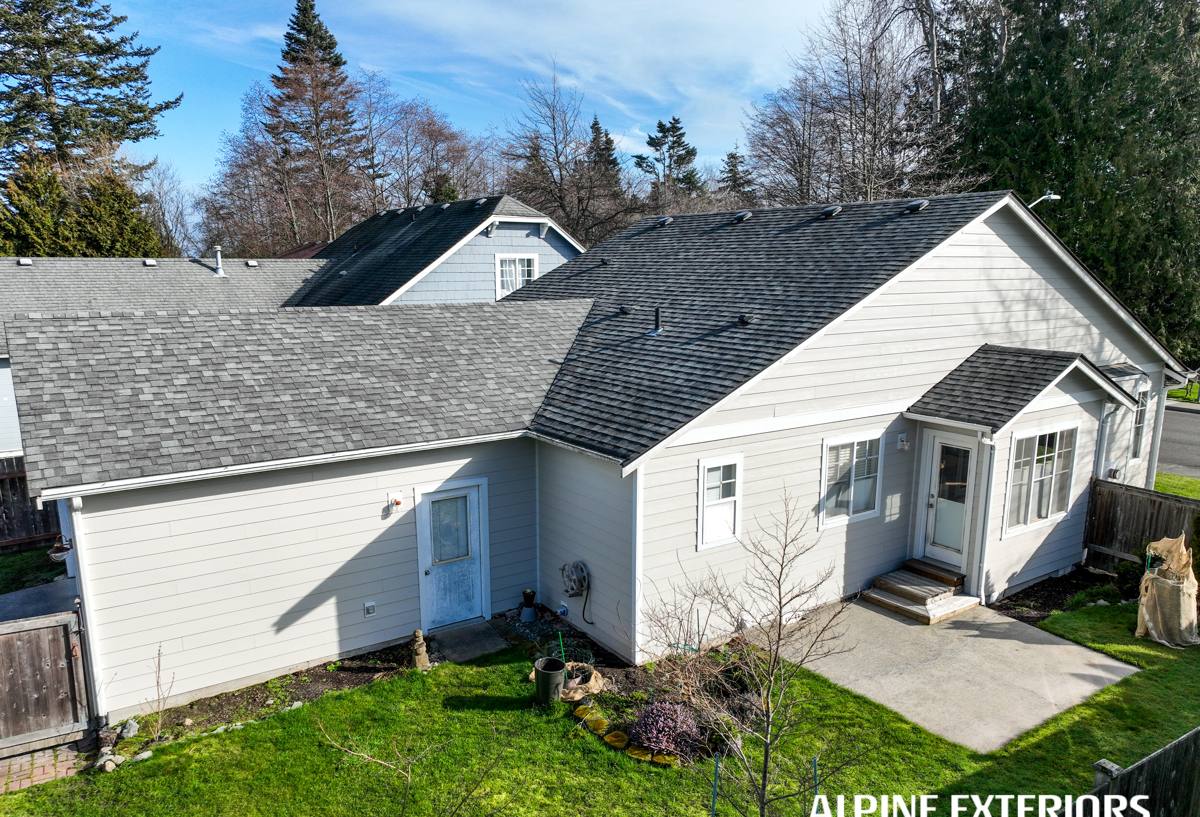
What the Climate Actually Does to a House Here
Heat and UV
Wesley Chapel sees intense sun exposure nearly year-round. Painted wood trim and lower-grade composite siding chalk, fade, and lose their finish integrity faster here than in almost any northern climate. UV breaks down pigment and resin binders, which is why so many homes in the area show uneven color and peeling paint on the sun-facing elevations long before the shaded side shows any wear.
Humidity and Moisture Cycling
Hillsborough and Pasco counties run humid for most of the year, and that moisture doesn't sit still — it swells wood-based products in the wet season and lets them dry and shrink in cooler months. That expansion-and-contraction cycle is what eventually opens seams, telegraphs joints through paint, and invites rot at cut edges and fastener points if a product isn't engineered to resist it.
Wind-Driven Rain and Storm Season
Summer and fall bring the real test: tropical systems and hurricane-force wind events that don't just dump rain, they drive it horizontally into wall assemblies. Siding, flashing, and water-resistive barriers all have to work together, because wind-driven rain will find any gap that installation quality left behind. A storm doesn't care whether a house is brand new or twenty years old — it exposes whatever corners were cut.
Salt Air Influence
Wesley Chapel sits inland from Tampa Bay, but this whole region still gets salt-laden air carried in from the Gulf, especially during onshore wind events. Salt air accelerates corrosion on fasteners, trim, and any metal components on a home's exterior, which is one more reason material selection and hardware quality matter more here than in a dry inland climate.
Why We Standardized on James Hardie Fiber Cement
We install James Hardie fiber cement siding exclusively. We don't install vinyl, LP SmartSide, Cemplank, Allura, or primed wood siding like spruce or cedar. That's a deliberate standard, not a sales preference, and it's worth explaining honestly.
Vinyl is inexpensive and easy to install, but it's a petroleum-based product that softens and can warp in sustained high heat, and it offers essentially no wind or impact resistance compared to fiber cement — a real consideration in a wind-prone county. Wood-based composite products like LP SmartSide use engineered wood strand cores that, once a cut edge or fastener hole is exposed to Florida's humidity cycle without perfect sealing, are vulnerable to swelling and edge deterioration over time. Primed wood siding (spruce, cedar) looks good on day one but demands an ongoing repainting and caulking schedule that most homeowners underestimate, and it's genuinely combustible in a way fiber cement isn't.
James Hardie fiber cement is cement, sand, and cellulose fiber — non-combustible, dimensionally stable, and manufactured specifically with humid, high-UV, storm-exposed climates in mind. It doesn't rot, it resists pest damage, and its ColorPlus factory-applied finish is baked on and warranted against fading in a way field-applied paint can't match. That's why it's the only product we put our name behind.
What Hardie Gets Right
- Non-combustible core — a meaningful advantage in fire-prone dry seasons
- Engineered HZ5 product line built specifically for high-humidity, freeze-free climates like ours
- ColorPlus factory finish holds color longer than field-painted alternatives and reduces repainting cycles
- Resists swelling, cracking, and pest damage that plague wood-based sidings in humid climates
- Strong transferable limited warranty when installed to manufacturer specification
The Hardie Product Line for This Climate
James Hardie engineers its siding by climate zone, and Wesley Chapel falls into the HZ5 zone — the line built for hot, humid, high-moisture regions like the Gulf Coast. That's a real engineering distinction, not marketing language: the HZ5 formulation is designed to perform against the exact humidity cycling and moisture exposure this area sees.
Within that line, homeowners typically choose between a few product profiles depending on the look they want:
| Product | Look | Common Use |
|---|---|---|
| HardiePlank Lap Siding | Traditional horizontal lap, smooth or woodgrain texture | Most common choice for full re-siding jobs |
| HardiePanel Vertical Siding | Vertical panel, often paired with board-and-batten trim | Modern facades, accent walls, gables |
| HardieShingle | Staggered or straight-edge shingle profile | Accent gables, coastal or cottage styling |
| HardieTrim | Smooth fiber cement trim boards | Window/door surrounds, fascia, corner boards |
All of these come pre-finished in Hardie's ColorPlus palette, which removes the need to paint immediately after installation and gives a longer-lasting, more even finish than job-site painted siding — a real advantage under Central Florida's UV load.
Installation Details That Matter More in Florida
Fiber cement performs the way it's engineered to only when it's installed correctly, and in a wind- and moisture-heavy climate the margin for error is smaller. A correct James Hardie installation in this region includes:
- A properly lapped and sealed water-resistive barrier behind the siding, integrated with window and door flashing
- Correct fastener type, spacing, and embedment per Hardie's published specifications — under- or over-driven fasteners are a common failure point
- Proper clearance between the bottom edge of siding and roof lines, decks, and grade to avoid wicking moisture
- Caulking and sealing at butt joints and penetrations rated for sustained UV and moisture exposure
- Attention to local wind-load requirements reflected in Florida Building Code, particularly around fastening schedules
Skipping any one of these doesn't show up on installation day — it shows up two or three years later as a leak, a stain, or a section that's come loose in a storm. That's the real argument for hiring a crew that installs Hardie constantly rather than occasionally.
Beyond Siding: Roofing, Windows, and Decks
Siding is only one piece of a home's exterior envelope. We also handle roofing, windows, and decks, and in Wesley Chapel these systems all have to work together against the same forces — sun, humidity, and wind-driven rain. A new roof with poor flashing details will still leak into the wall assembly behind good siding. Aging, single-pane or poorly sealed windows lose efficiency fast under this area's cooling loads and are common entry points for wind-driven rain during storms. Decks built or maintained with the wrong materials weather quickly under this level of UV and moisture exposure. When we quote siding work, we look at the whole envelope, because a homeowner is better served by fixing the actual weak point than by re-siding around a problem that will keep causing damage.
What Drives Siding Cost in Wesley Chapel
Every home is different, but a few factors consistently move the price on a siding project in this area:
| Factor | Why It Matters |
|---|---|
| Home size and wall complexity | More corners, gables, and dormers mean more cutting, trim work, and labor time |
| Current siding removal | Tear-off and disposal of old siding (especially stucco or damaged wood) adds cost versus a clean substrate |
| Substrate condition | Rotted sheathing or water damage found underneath old siding needs repair before new siding goes on |
| Product profile and trim package | Lap vs. panel vs. shingle accents, plus the amount of custom trim, changes material and labor cost |
| Color and finish selection | Standard ColorPlus colors are typically more cost-effective than custom or premium finishes |
We don't quote broad averages without seeing the house — a small single-story home and a large two-story with multiple gables aren't in the same category. What we can say is that a fair estimate always starts with an in-person look at the current siding, the substrate underneath, and the home's exposure.
Questions to Ask Before Hiring an Exterior Contractor
Wesley Chapel's growth has brought a lot of contractors into the area, not all of them local or established. Before signing anything, homeowners should confirm:
- Is the contractor licensed and insured in Florida, with proof available on request?
- Do they specialize in fiber cement installation, or is it one of many products they install occasionally?
- Will they inspect and address substrate damage before installing new siding, not just cover it up?
- Do they follow manufacturer-specified fastening and flashing details, not a generic installation method?
- Is the warranty — both manufacturer and labor — explained in writing, not just verbally?
A contractor who's evasive about any of these is worth walking away from, regardless of price.
A Local Crew That Knows This Climate
We're not shipping in a crew that installs siding in Ohio one month and Florida the next. Working consistently in Hillsborough and the surrounding counties means we see how Hardie siding actually performs here — through the humidity, through hurricane season, through years of sun — and we install it the same way every time because we've seen what happens when it's done wrong. That consistency is the whole point of specializing in one product instead of installing whatever's cheapest that week.
If you're planning a siding project in Wesley Chapel — or want a second opinion on roofing, windows, or a deck — we're happy to come take a look. Reach out for a free, no-pressure estimate using the form below.