 Tampa Siding
 "How much does new siding cost?" is one of the first questions every Tampa homeowner asks, and it's also one of the hardest to answer honestly over the phone. Siding replacement pricing depends on more variables than most people expect — the size and shape of the house, what's underneath the old siding, the material you choose, and how much of Tampa's climate damage has already been done before anyone shows up with a quote. This guide walks through what actually drives the number on your estimate, so you can read a bid and understand what you're paying for instead of just comparing bottom-line totals.
Why There's No Single "Price Per Square Foot" Answer
You'll see siding cost ranges quoted online as a flat price per square foot, and those numbers aren't wrong — they're just incomplete. A per-square-foot price assumes a simple rectangular house with no rot, no code upgrades, and a straightforward tear-off. Very few Tampa homes hit all three of those conditions at once, especially older homes in Seminole Heights, Tampa Heights, and parts of unincorporated Hillsborough County where original siding or old repairs have been sitting under Florida sun and storm exposure for decades.
Think of a siding estimate as three separate cost buckets stacked together: materials, labor, and everything the crew finds once the old siding comes off. That third bucket is the one that surprises homeowners, and it's also the one no contractor can quote accurately without actually removing a section of siding to look at the sheathing underneath.
The Main Cost Factors
House Size and Shape
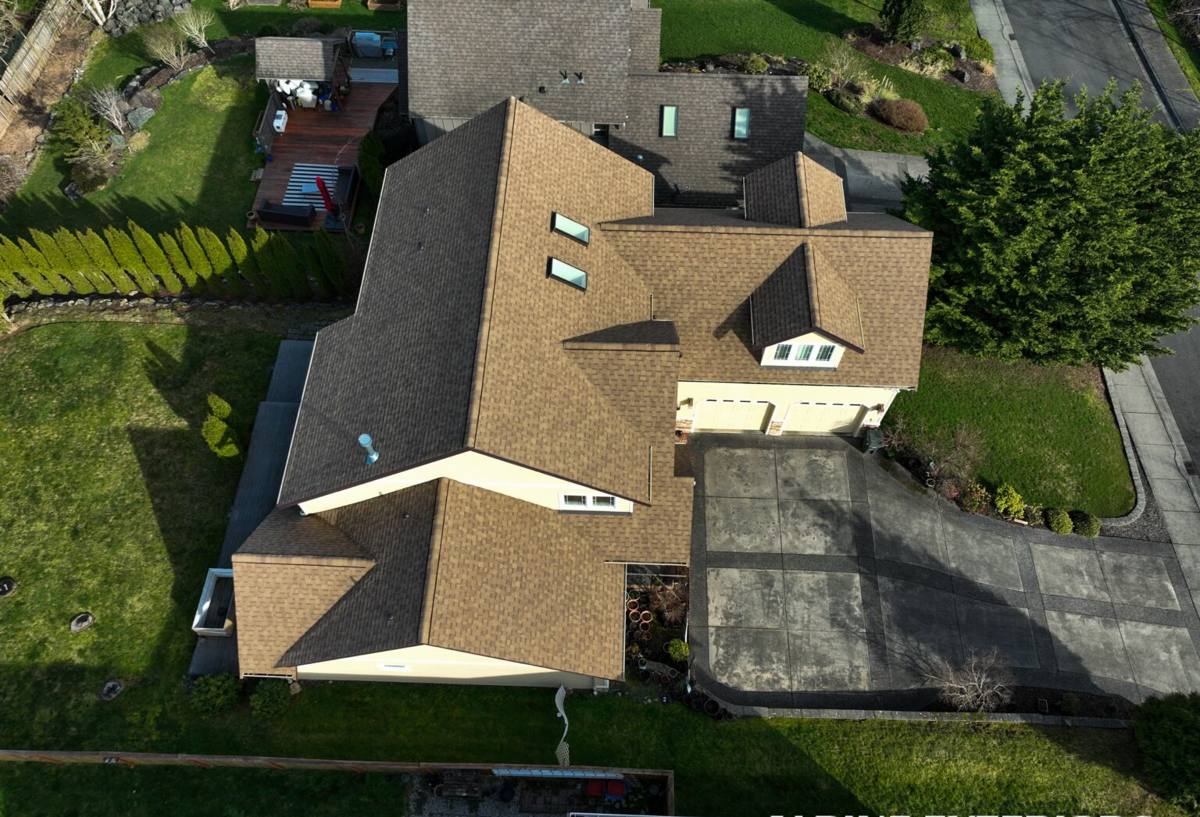
Total square footage of wall area is the baseline driver, but shape matters almost as much as size. A single-story rectangular home with few corners installs faster and cheaper per square foot than a two-story home with dormers, bump-outs, multiple gables, and a lot of trim detail. Every inside corner, outside corner, window, and door opening adds cutting, fitting, and flashing time — and in Tampa's wind-driven rain, every one of those transitions is also a place water can get in if it's not flashed correctly.
Tear-Off vs. Overlay
Some contractors will offer to install new siding directly over old siding to save money. We don't do this, and most reputable Hillsborough County contractors won't either, for a simple reason: you can't inspect or repair the sheathing underneath if you never remove what's covering it. In a hurricane-prone coastal county, hidden rot behind siding is a structural and moisture problem, not a cosmetic one. Full tear-off costs more up front but is the only way to actually know what you're buying.
Sheathing and Framing Repair
This is the wildcard on almost every Tampa siding job. Once the old siding is off, it's common to find water-damaged sheathing, soft framing around windows, or old flashing that was never installed correctly. A house that's been through a few decades of Florida humidity, roof leaks, and hurricane seasons is more likely to need some repair than not. A trustworthy contractor will show you the damage, explain the repair, and price it separately rather than burying a vague allowance in the original bid.
Material Choice
This is where the biggest cost swings happen, and it's also where the biggest long-term value differences show up. Vinyl siding is the cheapest material up front. Fiber cement, like James Hardie, costs more initially but is non-combustible, holds paint and factory color far longer in intense UV, and doesn't warp or soften in heat the way vinyl can on a west-facing Tampa wall in August. LP SmartSide and engineered wood products sit in between on price but carry moisture-sensitivity trade-offs that matter in a climate with this much humidity and wind-driven rain.
Trim, Accessories, and Finish
Corner boards, window and door trim, soffit and fascia work, and the finish system (factory-applied color versus field-painted) all add cost but also add durability. Factory-applied finishes, like James Hardie's ColorPlus coating, are baked on in a controlled environment and typically carry a stronger, longer finish warranty than paint applied on-site after installation — which matters a lot under Florida's UV load.
Access and Site Conditions
Two-story sections, tight side yards, mature landscaping close to the house, and pool cages or fencing that restrict staging all add labor time. It's a smaller factor than material or repair scope, but it's real, especially on the older, more established lots common around central Tampa.
Typical Cost Ranges by Material
| Material | Relative Installed Cost | What Drives the Range |
|---|---|---|
| Vinyl siding | Lowest | Panel thickness, insulated backing, trim detail |
| Engineered wood (LP SmartSide) | Low–Mid | Panel vs. lap style, primer quality, exposed edge sealing |
| Fiber cement (James Hardie) | Mid–Higher | Lap width, texture, ColorPlus finish, HZ climate series |
| Real wood / cedar | Highest | Material grade, ongoing refinishing labor over time |
These are relative rankings, not quotes — your actual number depends on the house-specific factors above. Any contractor who gives you a firm total price before inspecting your walls and, ideally, opening up a test section, is guessing.
What a Fair Estimate Actually Includes
- A physical inspection of the exterior, not just a measurement from photos or satellite imagery
- Full tear-off and disposal of the old siding, not an overlay
- A stated approach for what happens if hidden sheathing damage is found
- Housewrap or weather-resistive barrier replacement, not reuse of old wrap
- Flashing detail around every window, door, and roofline transition
- Material spec sheet naming the actual product line, not just "fiber cement" or "vinyl"
- A written warranty that names both the manufacturer's material warranty and the installer's labor warranty separately
Hidden Costs Homeowners Often Miss
Rot and Moisture Repair
Covered above, but worth repeating: budget for the possibility of sheathing or framing repair, especially on homes over 15-20 years old or anywhere there's been a prior roof leak.
Permitting
Hillsborough County and the City of Tampa both require permits for full siding replacement in most cases, and permitted work should include inspection. Unpermitted siding work can complicate insurance claims and future home sales — it's worth confirming your contractor pulls permits rather than treating it as optional.
Code-Driven Upgrades
Depending on the scope of work and your home's age, a full siding tear-off can trigger requirements to bring flashing, weather barriers, or attachment methods up to current Florida Building Code, which was significantly strengthened for wind resistance after past hurricane seasons. This isn't upselling — it's the code catching up to what a coastal county like Hillsborough actually needs.
Paint and Refinishing Over Time
Field-painted materials need repainting on a cycle, and that's a real ongoing cost that doesn't show up in the initial bid. Factory-finished fiber cement pushes that cost years further out, which is worth factoring into a true cost-over-time comparison, not just the install-day number.
Why We Standardized on One Material
We install James Hardie fiber cement siding exclusively, and the cost conversation is a big part of why. Hardie costs more than vinyl or engineered wood up front, and we tell homeowners that plainly rather than downplaying it. What it buys is a non-combustible product engineered for climates like Tampa's — the HZ5 product line is specifically formulated for high-humidity, storm-exposed regions — a factory finish that holds up to sustained UV and salt air better than field-applied paint, and a warranty structure backed by a manufacturer with decades in Gulf Coast markets. We'd rather quote one material honestly and stand behind it than offer a lower number on something we'd have to caveat.
How to Compare Bids Without Getting Misled
- Ask each bidder to name the exact product line and thickness, not just the material category
- Confirm whether the bid is tear-off or overlay
- Ask what their process is if they find damaged sheathing, and how that gets priced
- Check that permitting is included and named, not left ambiguous
- Compare warranty terms side by side — material warranty and labor warranty are different things
- Be skeptical of a bid that's dramatically lower than the others without a clear reason why
Getting an Accurate Number for Your Home
The only way to get a real number instead of a rough range is an in-person look at your walls, trim, and any problem areas you already know about — old stains, soft spots, or places where past patch repairs were made. If you're weighing siding replacement and want to understand what your specific home actually needs, we're happy to walk the exterior with you and put together a clear, itemized estimate. There's no pressure and no obligation — just a straight answer about what the work involves and what it costs.