 Tampa Siding
 Seminole Heights Homes Face a Specific Kind of Wear
Seminole Heights is one of Tampa's older, established neighborhoods, and that history shows up on the exterior of its homes. Many properties here were built decades before today's wind-load codes and moisture barriers existed, which means the siding on a lot of these houses was never designed for the climate Hillsborough County actually delivers. Add in mature tree canopy, older wood-frame construction, and a mix of bungalows and mid-century homes, and you get a housing stock that's charming but often overdue for an exterior that can actually keep up.
What Tampa throws at a house every year is not gentle: hurricane-force wind gusts during storm season, wind-driven rain that gets forced sideways into seams and laps, and relentless UV exposure nearly twelve months a year. Add the salt air that drifts inland from Tampa Bay, and you have a combination that breaks down cheaper siding materials faster than homeowners expect. None of this is unique to Seminole Heights, but the age of the housing stock here means a lot of these homes are carrying original or once-replaced siding that's now past its useful life.
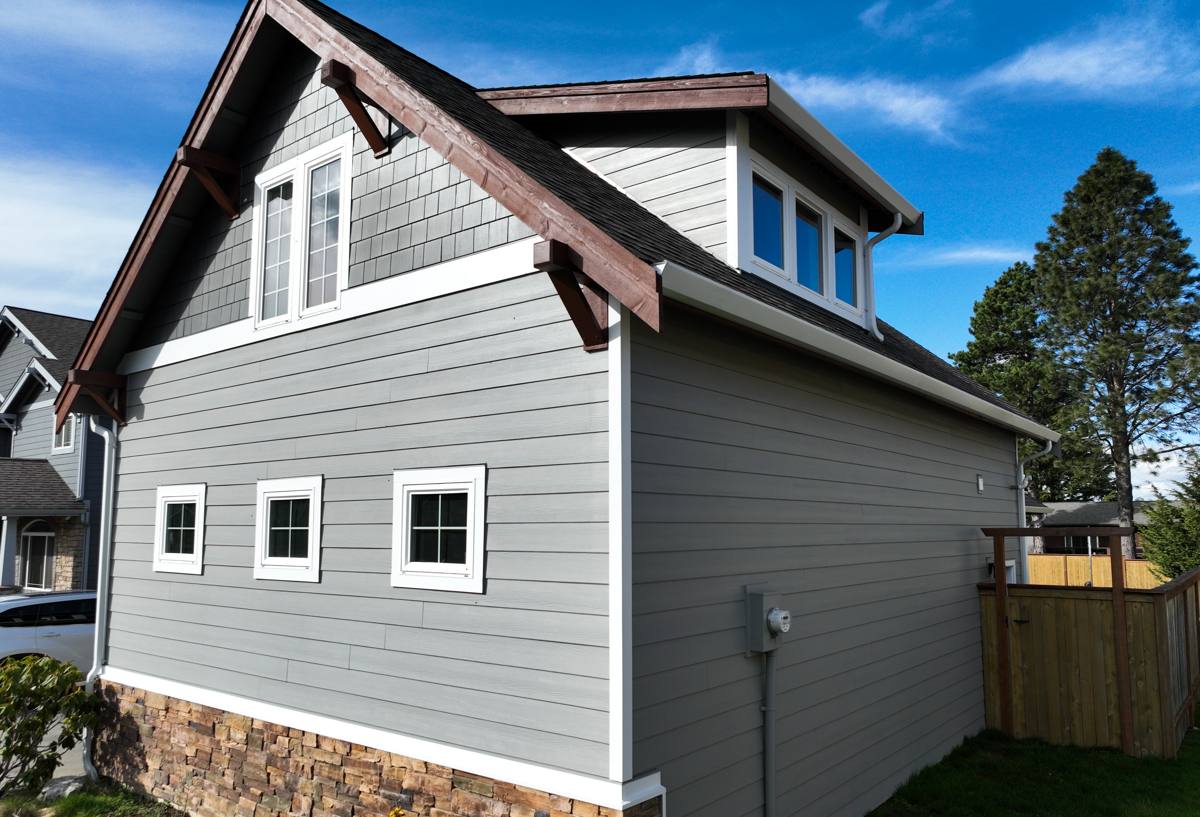
What We See on Older Seminole Heights Exteriors
When we go out to look at a home in this neighborhood, a few patterns show up again and again:
- Wood siding with soft spots, rot at the bottom courses, or paint that won't hold anymore no matter how many coats go on
- Vinyl siding that's warped, faded, or cracked from years of direct sun and heat cycling
- Caulk and trim joints that have opened up, letting wind-driven rain track behind the siding during storms
- Older fiber cement or composite products that were never rated for this climate and are now showing edge swelling or surface erosion
- Siding that survived the last hurricane but only barely, with lifted panels or missing sections near roof lines and corners
These aren't signs of bad luck. They're the predictable result of time, sun, and storms acting on materials that were either the wrong choice for this climate to begin with, or that have simply reached the end of what any exterior product can be expected to handle.
Why Age and Tree Cover Matter Here
Seminole Heights' mature landscaping is part of its character, but shade and humidity together create conditions where moisture lingers longer against exterior walls. Combined with older construction details that weren't built with a moisture drainage plane in mind, that lingering dampness is exactly the kind of environment that accelerates rot in wood siding and encourages mold and mildew growth on porous or poorly sealed surfaces.
Why We Only Install James Hardie Fiber Cement Siding
We made a decision as a company to install one siding system: James Hardie fiber cement. We don't offer vinyl, LP SmartSide, Cemplank, Allura, primed spruce, or cedar as alternatives, and that's a deliberate standard, not a lack of options.
Vinyl siding is inexpensive and easy to install, and for some budgets and some climates it's a reasonable choice. But in Tampa's heat and UV load, vinyl tends to fade, warp, and become brittle well before a homeowner expects to replace it, and it offers little resistance to wind-driven debris in a storm. Wood-based products like cedar or primed spruce look great when new, but they demand an ongoing maintenance schedule — repainting, resealing, checking for rot — that most homeowners don't want to sign up for indefinitely, especially in a humid climate that never gives wood siding much of a break. Other fiber cement competitors, like LP SmartSide (an engineered wood product, not cement-based) or lesser fiber cement lines such as Cemplank or Allura, each have trade-offs in moisture performance, finish durability, or long-term warranty structure that we weren't comfortable standing behind on every home we touch.
James Hardie's fiber cement is non-combustible, resists moisture far better than wood-based alternatives, and holds up to UV exposure without the chalking and fading that plague vinyl and painted wood over time. The ColorPlus factory-applied finish is baked on under controlled conditions, which gives it more consistent, longer-lasting color than field-applied paint. And Hardie's HZ5 product line is specifically engineered for high-humidity, storm-prone climates like ours — which matters when you're dealing with Hillsborough County's combination of heat, rain, and salt air.
What Correct Installation Actually Involves
Fiber cement siding is only as good as the installation behind it. Hardie's own specifications call for proper clearances from grade and roof lines, correctly lapped and caulked joints, and the right fastener pattern for wind resistance. We follow those specs on every job — not because it's required, but because skipping steps is exactly how good siding fails early. A rushed installation on a great product will still let water in.
Roofing, Windows, and Decks — The Rest of the Envelope
Siding doesn't work in isolation. We also handle roofing, windows, and decks because a home's exterior only performs as a system when all four pieces are doing their job together. A new roof means nothing if the siding behind the fascia is letting water track down the wall. New siding won't stop drafts and leaks if the windows around it are failing. And in a neighborhood like Seminole Heights, where a lot of homes have decks or porches original to the property, wood decking exposed to the same sun and rain cycles as the siding needs the same honest evaluation — repair what's sound, replace what isn't.
When we're on-site for a siding estimate, we'll flag anything we notice with the roof, windows, or decking, whether or not it's why we were called out. It costs nothing to point out a problem before it gets worse.
Cost Factors for Seminole Heights Homes
Every home is different, but the same handful of variables tend to drive cost on jobs in this neighborhood:
| Factor | Why It Matters |
|---|---|
| Extent of underlying damage | Rotted sheathing or framing found once old siding comes off adds repair work before new siding can go on |
| Home size and wall complexity | Bungalows with simple wall planes install faster than homes with lots of gables, dormers, or trim detail |
| Access and site conditions | Mature trees, tight lot lines, and older detached structures can affect staging and labor time |
| Siding profile and accessories | Trim boards, soffit work, and specialty profiles add material and labor beyond flat lap siding |
| Paint or color selection | ColorPlus factory finishes vs. field-applied paint affect both price and long-term maintenance |
We don't quote a job over the phone with any accuracy, and we won't pretend a rough number means much until we've actually looked at the walls. What we can say honestly is that fiber cement costs more upfront than vinyl, and that difference is the trade-off for a product that isn't going to need replacing again in a decade.
Why a Local Crew Matters
Hillsborough County's permitting requirements, wind-load standards, and inspection process aren't identical to every county in Florida, and a crew that works this area regularly knows what inspectors are going to look for before the job ever gets scheduled. Local experience also means we've seen how homes in specific neighborhoods age — what Seminole Heights' older wood-frame bungalows tend to be hiding under their siding is different from what a 1980s block home in another part of Tampa is dealing with. That local pattern recognition shortens the time between "let's take a look" and an accurate scope of work.
It also means when a named storm is bearing down on the Bay Area, we're not driving in from three counties over. We live with the same weather our customers do, and we take wind resistance and water-tightness seriously because we're not just installing a product — we're standing behind it in the same climate that's going to test it.
What to Look for Before You Hire Anyone
Whether you go with us or another contractor, a few basics protect you on any siding job:
- Proper licensing and insurance, verifiable through the state, not just a business card claim
- A written scope of work that specifies the exact siding product, not just "fiber cement" or "Hardie-style"
- Clarity on who pulls the permit and handles inspections
- A clear explanation of what happens if rot or damage is found once old siding comes off
- A warranty that covers both the manufacturer's product and the contractor's workmanship, in writing
Ready When You Are
If your Seminole Heights home has siding that's showing its age — or you're just not sure whether repair or full replacement makes more sense — we're happy to come take a look. There's no pressure and no cost to get our honest read on where things stand. Use the form below to request a free estimate.