 Tampa Siding
 Siding in Riverview: A Fast-Growing Corner of Hillsborough County
Riverview has grown from a quiet crossroads community into one of the largest unincorporated areas in Hillsborough County, and that growth shows in the housing stock. You'll find everything from established neighborhoods with homes pushing 20-30 years old to newer subdivisions still filling in. What almost all of these homes have in common is exposure to the same demanding Gulf Coast climate that defines exterior work anywhere near Tampa: long, humid summers, intense UV load nearly year-round, sudden and heavy wind-driven rain, and the real possibility of hurricane-force winds during the season.
That combination is hard on exterior materials in ways that homeowners moving here from other parts of the country don't always expect. Siding, trim, and fascia in Riverview don't just need to look good — they need to survive repeated cycles of heat expansion, moisture intrusion, and storm stress without breaking down. That's the lens we bring to every siding job in the area, whether it's a full replacement, storm repair, or a new-construction install.
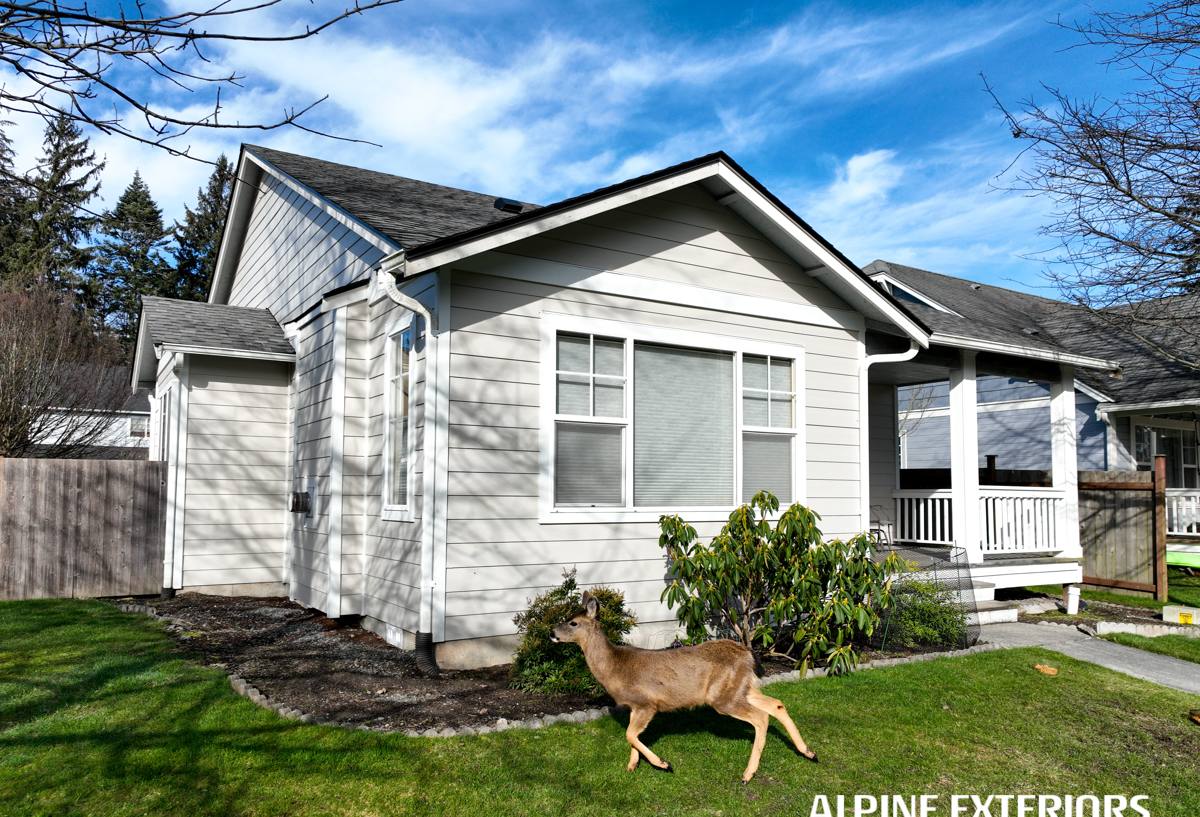
What Riverview's Climate Actually Does to Exterior Siding
UV and Heat
Florida sun is relentless. Painted wood and lower-grade composite siding products take a beating from UV exposure — colors fade unevenly, caulk joints dry out and crack, and paint films chalk and peel faster than they would in a milder climate. Dark colors on the wrong material can also drive surface temperatures high enough to accelerate warping or delamination over time.
Wind-Driven Rain and Humidity
Riverview sits inland from Tampa Bay but still gets plenty of the same summer storm pattern: fast-moving, heavy rain pushed sideways by gusty wind. Siding systems that don't manage water well — poor flashing, gaps at seams, materials that absorb moisture — set the stage for rot, mold behind the cladding, and swelling that shows up as cracked paint or buckled panels months later.
Storm and Wind Load
Hillsborough County isn't immune to tropical systems, and even a storm that doesn't make direct landfall nearby can bring sustained winds strong enough to test loose fasteners, aging panels, and weak seams. Siding that's improperly nailed or was never rated for the wind exposure it faces is often where storm damage starts.
Humidity and Pest Pressure
Consistent humidity plus a warm climate means wood-destroying insects are active essentially year-round in this part of Florida. Any siding material with exposed wood content is a potential food source and moisture trap if it isn't installed and maintained correctly.
Why We Only Install James Hardie Fiber Cement Siding
We get asked fairly often why we don't offer vinyl, LP SmartSide, or other composite and wood-based options that other contractors sell. The honest answer is that after years of working on homes in this climate, we standardized on one product system — James Hardie fiber cement — because it's the one we're comfortable standing behind for the long haul in Hillsborough County conditions.
Vinyl siding is affordable and easy to install, and for some budgets and climates it's a reasonable choice. But in intense, sustained Florida heat, vinyl can soften, warp, or distort, especially in darker colors, and it has real limits in high-wind exposure since it relies on interlocking panels rather than a fully fastened, rigid substrate. LP SmartSide and similar engineered wood products perform well in many parts of the country, but they use a wood-strand core that is more sensitive to moisture intrusion at cut edges and seams — a real concern anywhere that sees Riverview's rain volume and humidity. Both are legitimate products; we simply don't think they're the best match for what this specific climate does to a home's exterior over 20-plus years.
James Hardie fiber cement is a cement, sand, and cellulose fiber composite. It doesn't burn, it doesn't feed termites, and it holds its shape in heat and humidity because it isn't a petroleum-based or wood-based product. Hardie's ColorPlus factory finish is baked on under controlled conditions, which gives it better fade and chip resistance than field-applied paint, and their HZ5 product line is engineered specifically for high-humidity, high-moisture climates like ours. It's a heavier, more labor-intensive product to install correctly than vinyl, and it costs more upfront — but for a Riverview home, we think that's the right trade to make once, rather than revisiting siding problems every few years.
Comparing Siding Options for a Riverview Home
| Factor | Vinyl | LP SmartSide / Engineered Wood | James Hardie Fiber Cement |
|---|---|---|---|
| Heat/UV stability | Can warp or fade in intense sun | Moderate; finish can chalk over time | High; factory finish resists fade |
| Moisture resistance | Good if installed with proper drainage | Vulnerable at cut edges/seams if not sealed | Engineered for high-humidity climates (HZ5) |
| Wind performance | Limited; relies on panel interlock | Good when properly fastened | Strong; rigid, fully fastened panels |
| Fire/pest resistance | Combustible; not a pest food source | Wood-based; treated but still organic | Non-combustible; not a food source for pests |
| Typical upfront cost | Lowest | Mid-range | Highest of the three |
| Long-term maintenance | Low, but replacement risk after storms | Moderate; watch seams and edges | Low; periodic caulk/paint touch-up only |
Costs vary widely based on home size, siding profile, trim complexity, and how much of the existing exterior needs to be removed and replaced versus repaired, so we don't quote broad numbers without seeing the house. What we can say is that Hardie's material cost is offset over time by less repainting, fewer moisture-related repairs, and a warranty structure built around long-term ownership.
How a Siding Project Works, From First Call to Final Walkthrough
Every Riverview property is a little different — some are on older lots with mature landscaping close to the house, others are newer builds with straightforward access. Our process adjusts to that, but the general steps stay consistent:
- On-site evaluation of your current siding, underlying sheathing, and any moisture or storm damage.
- A written scope and estimate that specifies the Hardie product line, profile, and color.
- Removal of old siding and inspection of the wall assembly underneath for rot, pest damage, or moisture issues before anything new goes up.
- Installation to manufacturer spec — correct fastener type and spacing, proper flashing at windows and doors, and appropriate clearances at grade and roofline.
- Final walkthrough and warranty paperwork.
That third step matters more than people expect. Covering up a moisture or pest problem with new siding just hides it for a few more years. We'd rather flag it and fix it while the wall is already open.
Why a Local Crew Matters in Riverview
Exterior work in this part of Hillsborough County isn't generic. A crew that works this region regularly knows how the Tampa area's storm patterns behave, understands the permitting expectations for the county, and has seen firsthand how quickly a small installation shortcut — a missed flashing detail, an under-fastened panel — turns into a real problem after the next tropical system rolls through. That local, repeated exposure to the same climate conditions is part of why we don't treat siding installation as a one-size-fits-all job.
It also means faster response for warranty questions, storm damage assessments, or follow-up work, without the runaround of dealing with a company based somewhere that doesn't actually understand what Gulf Coast humidity and wind do to a house.
Siding Doesn't Stand Alone: Roofing, Windows, and Decks
Siding is one piece of a home's exterior envelope, and it works best when it's not the only piece under-performing. We also handle roofing, windows, and decking, because problems in one area often show up as damage in another — a failing roof edge can drive water behind siding, and an old window can undercut the moisture barrier a new siding job depends on. If we're on-site for a siding estimate and notice something worth flagging in these other areas, we'll tell you, whether or not it's part of the original scope.
Signs a Riverview Home May Need Siding Attention
- Visible warping, buckling, or gaps between siding panels, especially on south- and west-facing walls
- Peeling or bubbling paint that keeps coming back in the same spots
- Soft or spongy spots when you press on siding near the bottom of the wall or below windows
- Visible mold, mildew, or dark staining that returns shortly after cleaning
- Cracked or missing caulk at seams, corners, and window trim
- Rising energy bills that may point to a compromised exterior envelope
- Any siding damage after a significant wind or rain event
What a James Hardie Warranty Actually Covers
One of the practical advantages of standardizing on Hardie is a warranty structure that's transferable to a future homeowner, which matters in an area like Riverview where homes change hands fairly often as the community continues to grow. The manufacturer warranty covers the siding material itself, and our installation work is backed separately. We'll walk through exactly what's covered, for how long, and what maintenance (like periodic caulking and repainting on non-ColorPlus trim) is expected to keep that warranty intact.
If your Riverview home's siding is showing its age, took a hit in a recent storm, or you're planning ahead of the next one, we're glad to come take a look. The estimate is free, there's no pressure, and you'll get a straight answer about what your home actually needs — just fill out the form below.