 Tampa Siding
 Siding That Actually Holds Up in Brandon
Brandon sits inland from Tampa Bay, but "inland" doesn't mean sheltered. Homes here still take a beating from the same weather system that pounds the coast — hurricane-force wind gusts during tropical systems, sideways rain that finds every gap in a wall assembly, and a sun that's intense enough, year-round, to fade and warp lesser siding materials within a few seasons. Add Hillsborough County's humidity, which barely lets up even in winter, and you've got a climate that's genuinely hard on exterior building materials. We install siding in Brandon knowing exactly what it has to survive, and that shapes every recommendation we make.
This page is about what local homeowners should know before their next siding, roofing, window, or deck project — not a sales pitch, just straight information from a crew that works this area regularly.
What Brandon's Climate Does to a House
Wind-Driven Rain
During Florida's wet season and any tropical system that pushes through, rain in Brandon rarely falls straight down. Wind drives it sideways into walls, and that means siding has to do more than shed water off its face — the seams, laps, and flashing details behind it have to keep water from tracking backward into the wall cavity. This is where a lot of siding failures actually start: not from the material itself, but from water intrusion at joints and penetrations that weren't detailed correctly during installation.
UV and Heat Cycling
Tampa-area sun is relentless. Siding on south- and west-facing walls takes direct UV exposure most of the year, and that exposure breaks down pigments, softens certain plastics, and accelerates expansion-and-contraction cycling in materials that aren't dimensionally stable. Over years, that cycling is what causes buckling, warping, and visible fading — problems that show up as cosmetic first, then structural.
Humidity and Moisture Load
Even without a named storm, Hillsborough County's baseline humidity keeps moisture pressure on exterior walls most of the year. Materials that absorb water or swell when damp are working against the climate here, not with it. That constant moisture load is a big part of why we're selective about what goes on a Brandon home.
Wind-Borne Debris
Tropical storm and hurricane activity brings wind-borne debris risk — branches, loose yard items, and roofing or fencing material from neighboring properties. Siding needs enough impact resistance to take a hit without cracking or shattering, and it needs to be installed with fastening that matches Florida's wind-load requirements, not a generic national standard.
Why We Install James Hardie and Nothing Else
We made a deliberate decision to install only James Hardie fiber cement siding — not vinyl, not LP SmartSide, not Cemplank, not Allura, not primed wood. That's not marketing positioning; it's a standard we hold because of what we've seen these materials do (and not do) in Florida's climate over time.
Where Other Materials Fall Short Here
- Vinyl siding is affordable and easy to install, but it softens and can distort in direct, sustained heat, and it has real limits on impact resistance in wind-borne debris events. In a market with Brandon's UV load and storm exposure, that's a meaningful trade-off.
- Engineered wood products (like LP SmartSide) use wood strand technology with a resin binder, which performs reasonably in drier climates but requires more disciplined caulking, flashing, and paint maintenance in a high-humidity environment to avoid edge swelling over time.
- Other fiber cement brands (Cemplank, Allura) are chemically similar to Hardie's product but don't carry the same factory-applied finish system or the same track record of engineering products specifically for Florida-type climate zones.
- Primed spruce or cedar looks great initially but demands the most ongoing maintenance of any option — regular repainting, moisture monitoring, and vigilance against rot, which is a tough ask in a climate that stays humid most of the year.
We're not saying these products are junk — they all have legitimate uses in the right climate and application. We're saying that for Brandon and the greater Tampa area specifically, we don't think they're the best long-term investment for most homeowners, and we'd rather turn down that work than install something we don't stand behind fully.
What Hardie Gets Right for This Climate
James Hardie fiber cement is non-combustible, dimensionally stable across Florida's heat swings, and resistant to moisture-driven swelling and rot in a way that wood-based products simply aren't. Hardie's ColorPlus factory finish is baked on under controlled conditions, which means better fade resistance and color consistency than field-applied paint, and their HZ5 product line is engineered specifically for climate zones like ours — humidity, salt air influence carried inland from the Gulf, and heavy seasonal rain. It also carries a strong transferable warranty, which matters if you ever sell the home.
How the Job Actually Works
Assessment and Estimate
We start with a walk-around of the home to look at the current siding condition, trim details, window and door flashing, and any problem areas — soft spots, visible warping, gaps at corners or seams. From there we put together a written estimate that reflects the actual scope, not a generic per-square-foot guess.
Prep and Removal
Old siding comes off, and we check the sheathing underneath for water damage or rot before anything new goes up. This step gets skipped by crews trying to move fast, and it's exactly where problems get buried instead of fixed.
Weather Barrier and Flashing
Correct house wrap and flashing at every window, door, and penetration is what actually keeps wind-driven rain out of the wall assembly — this detail work matters more to long-term performance than the siding brand on top of it.
Installation to Florida Wind Code
Fastening patterns, nail spacing, and clearances are installed to meet local wind-load requirements, not just manufacturer minimums. This is non-negotiable on every job we do in Hillsborough County.
Comparing the Options
| Material | Heat/UV Behavior | Moisture Resistance | Maintenance Level | Do We Install It |
|---|---|---|---|---|
| James Hardie Fiber Cement | Dimensionally stable, factory-baked finish resists fading | Engineered for humid, wet climates (HZ5) | Low — periodic caulk/paint touch-up only | Yes — exclusively |
| Vinyl | Can soften/warp in sustained heat | Doesn't rot, but seams can allow moisture behind panels | Low, but limited repair options if damaged | No |
| LP SmartSide / Engineered Wood | Moderate; needs finish maintenance | Requires disciplined sealing at edges/cuts | Moderate — regular inspection needed | No |
| Other Fiber Cement (Cemplank, Allura) | Generally stable | Comparable material chemistry to Hardie | Low to moderate | No — different finish system/track record |
| Primed Wood/Cedar | Prone to UV degradation of finish | Vulnerable to rot in high humidity | High — regular repainting required | No |
Beyond Siding: Roofing, Windows, and Decks
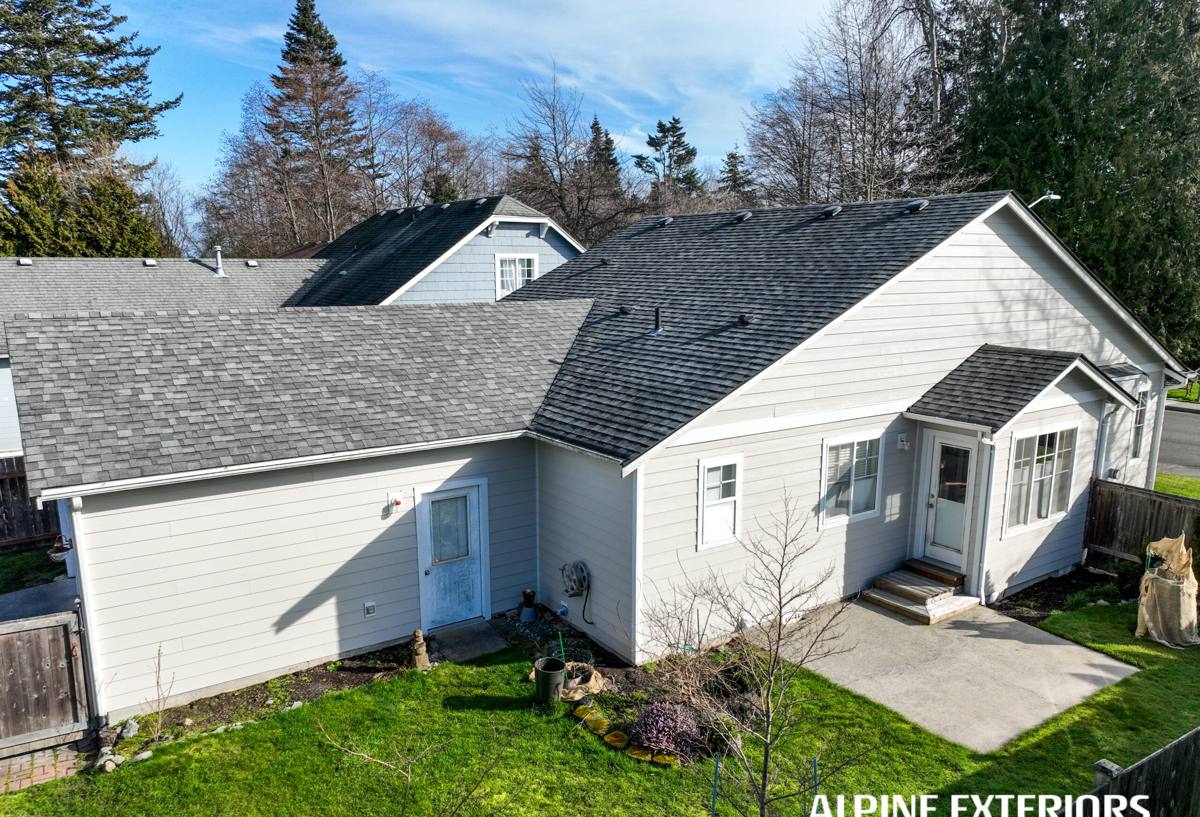
Siding doesn't work in isolation — it's one part of the building envelope. We also handle roofing, windows, and decks in Brandon, because a home's exterior needs to function as a system. A new siding job with an aging roof or leaking window flashing is fixing one problem while leaving another one active. During an estimate, we'll flag anything else we see that could undermine the work, even if it's outside the original scope.
What to Watch For Between Services
- Roofing: granule loss, curling shingles, or flashing gaps around chimneys and vents
- Windows: fogging between panes, difficulty opening/closing, or visible gaps at the frame
- Decks: soft or spongy boards, rusted fasteners, or ledger board separation from the house
- Siding: hairline cracks, soft spots when pressed, or paint that's bubbling rather than just fading
Why a Local Crew Matters
A crew that works Hillsborough County regularly knows the wind-load requirements, the permitting process with the county, and — just as importantly — how Brandon-area homes are actually built, including common construction eras and typical wall assemblies in the area. That local knowledge shows up in the details: correct flashing at penetrations, fastening patterns that account for real wind exposure, and an eye for the moisture problems this specific climate tends to produce. It also means someone who's accountable and reachable if a question comes up after the job is done, not a crew that worked the area once and moved on.
Planning a Project
Questions Worth Asking Any Contractor
- Is the estimate itemized, or a single lump number with no breakdown?
- Will the crew check the sheathing for rot or water damage before installing new siding?
- What warranty applies to materials versus labor, and is it transferable if you sell the home?
- Is the fastening schedule built to current Florida wind-load requirements?
- Who's actually doing the installation — the company's own crew or a subcontractor?
If you're weighing a siding, roofing, window, or deck project in Brandon, we're happy to walk the property, answer questions honestly, and put together a free, no-pressure estimate. There's no obligation — just a clear look at what your home actually needs.