 Tampa Siding
 Siding Built for Life on Davis Islands
Davis Islands sits on reclaimed land in Tampa Bay, which means every home there lives closer to the water than almost anywhere else in Hillsborough County. That proximity is the whole appeal of the neighborhood, and it's also exactly why the exterior of a Davis Islands home works harder than a typical inland Tampa property. Salt-laden air moves off the bay and settles on siding, trim, and roofing day after day. Add in the intense Florida sun, wind-driven rain during summer storms, and the real possibility of hurricane-force gusts, and you have a climate that tests exterior materials in ways that inland neighborhoods simply don't experience to the same degree.
We install siding, roofing, windows, and decks across the Tampa area, and Davis Islands is one of the neighborhoods where product choice matters most. We install James Hardie fiber cement siding exclusively — not vinyl, not LP SmartSide, not primed wood, not other fiber cement brands. That's a deliberate standard, and on an island exposed to salt spray and coastal wind, it's one we think homeowners deserve to understand rather than just take on faith.
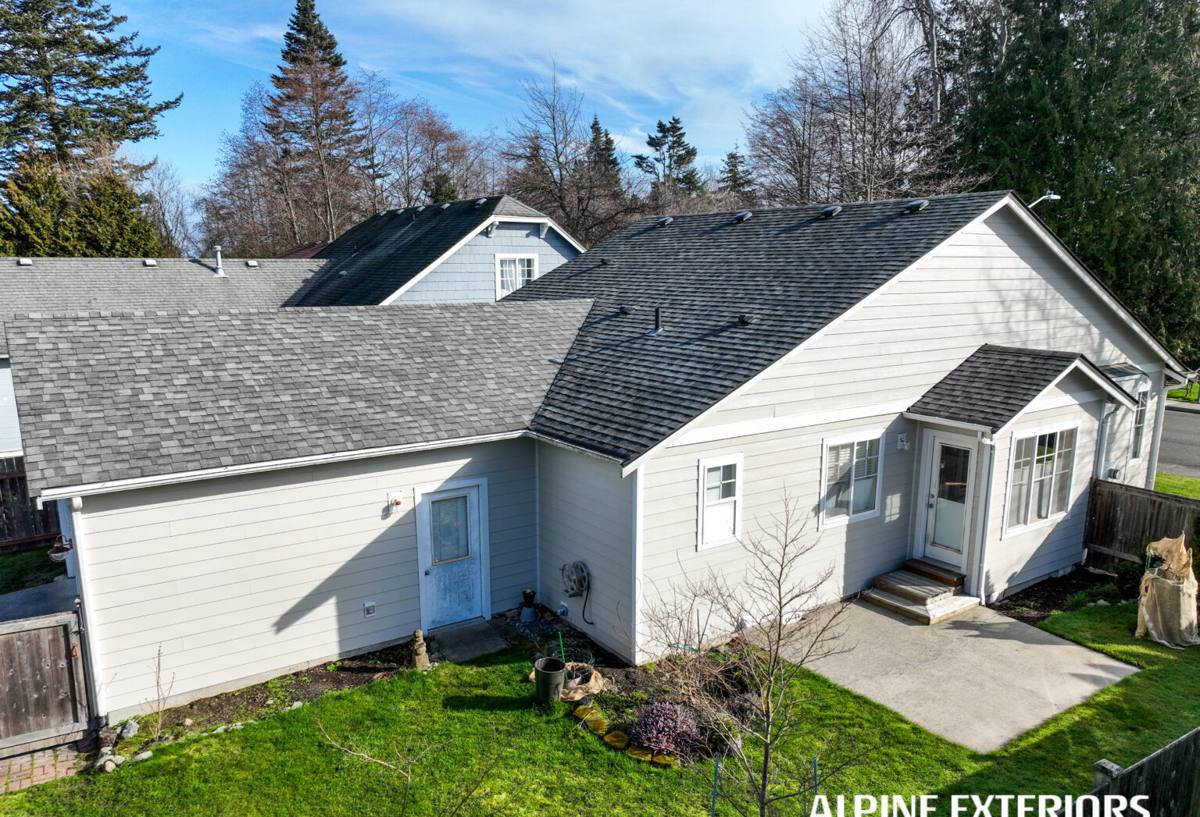
What the Coastal Environment Actually Does to a House
Salt Air and Corrosion
Airborne salt from Tampa Bay doesn't just affect metal fasteners and hardware — it accelerates the breakdown of paint films, gasket seals, and lower-quality siding substrates. Homes closer to the water's edge see this fastest, but the effect reaches across the whole island. Materials that aren't engineered for coastal exposure tend to show chalking, fading, and surface degradation years ahead of schedule.
UV Load
Tampa gets sun nearly year-round, and Davis Islands has little in the way of tall tree canopy shading many of its lots compared to older, more wooded neighborhoods. Constant UV exposure breaks down pigments and resins in paint and lesser siding coatings, which is why factory-applied, UV-stable finishes matter more here than in shadier parts of the county.
Wind-Driven Rain and Storm Exposure
Being surrounded by water on nearly all sides means wind during storms arrives with less obstruction than it would inland. Wind-driven rain finds every gap in flashing, trim, and siding laps. During hurricane season, homes on Davis Islands face both higher sustained wind loads and the added risk of storm surge staging in low-lying yards — which makes what's above the flood line, the siding, roofing, and window seals, that much more important to get right.
Why This Adds Up to a Different Standard
- Fasteners and trim exposed to salt air corrode faster without the right materials and installation detailing
- UV-sensitive coatings fade and chalk sooner under near-constant Florida sun
- Poorly sealed laps and penetrations let wind-driven rain behind the siding during storms
- Storm-force wind events test the fastening schedule and edge details of every exterior surface
- Humidity and coastal moisture make any wood-based or moisture-sensitive substrate a longer-term risk
Why We Only Install James Hardie Fiber Cement
James Hardie fiber cement is non-combustible and engineered specifically to hold up to moisture cycling, which is a real advantage on an island where humidity and salt air are constants rather than occasional conditions. Hardie's HZ5 product line is formulated for hot, humid climates like Tampa's, and the factory-applied ColorPlus finish is baked on and warrantied against fading and chipping in a way field-applied paint isn't. That matters directly on Davis Islands, where UV load and salt exposure are both working against ordinary coatings simultaneously.
We don't install vinyl siding on these projects. Vinyl can soften, warp, or become brittle under sustained heat and UV, and it doesn't offer the same fire performance as fiber cement — a real consideration on tightly spaced island lots. We also don't install LP SmartSide, Cemplank, Allura, or primed wood siding. Those products all have their place in the industry, and some of them perform reasonably well in the right circumstances. But we've made a business decision to standardize on one product system we can install to spec, warranty with confidence, and stand behind for the specific climate our customers live in. That's a judgment call about long-term performance and installation consistency, not a claim that every other product is bad.
How James Hardie Compares to Common Alternatives
| Factor | James Hardie Fiber Cement | Vinyl Siding | Wood-Based Siding (LP, primed spruce) |
|---|---|---|---|
| Combustibility | Non-combustible | Combustible, can soften under heat | Combustible |
| Coastal/UV performance | Factory ColorPlus finish, HZ5 formulated for humid climates | Can fade, warp, or become brittle over time | Coating and substrate both need diligent maintenance |
| Moisture behavior | Engineered fiber cement, resists moisture-related failure when installed to spec | Generally moisture-tolerant but can trap water behind panels | Wood-based substrate is more vulnerable to swelling and rot |
| Maintenance | Repaint only if desired, no rot risk | Low, but degrades and can't be easily patched | Higher; coatings need reapplication and edges need monitoring |
| Warranty structure | Strong, transferable manufacturer warranty | Varies widely by product tier | Varies; often shorter and more limited |
Roofing, Windows, and Decks for Island Properties
Siding is only part of what protects a Davis Islands home. We also handle roofing, window replacement, and deck construction, and on this island they're closely connected. A roof with degraded flashing or aging shingles lets moisture into the structure behind good siding. Older or single-pane windows let both heat and wind-driven rain compromise the building envelope no matter how well the walls are protected. And with many Davis Islands properties built for outdoor living near the water, decks take direct sun and salt exposure of their own, which affects what fastener and material choices actually hold up.
Because we handle all four trades, we can look at a home's exterior as one connected system rather than four separate projects — flashing details at the roofline that affect siding performance below, window integration that affects how water sheds off the wall, and decking connections that need the same corrosion-resistant hardware philosophy we use everywhere else.
Working on a Historic and Architecturally Distinct Island
Davis Islands includes a mix of older, architecturally distinct homes alongside newer construction, and many of the older properties have real character worth preserving — Mediterranean Revival details, distinctive trim profiles, and lot layouts that don't match a standard suburban template. James Hardie's product lines include lap siding, shingle-style panels, and trim boards that can replicate traditional profiles while giving the home a fiber cement performance base underneath. We work with what a home already is rather than pushing a one-size-fits-all look, and on an island with this much visual character, that approach matters.
Why a Local Crew Matters Here
Davis Islands has its own quirks: narrow lots and tight setbacks, proximity to the water that affects staging and access, and in many cases HOA or architectural review considerations tied to the neighborhood's history. A crew that works across Hillsborough County regularly, rather than one working the area for the first time, understands how to plan around those realities before the job starts, not after a scheduling conflict shows up midway through.
Local experience also means understanding how Tampa's permitting and wind-load requirements apply to coastal-adjacent properties, and knowing from repeated jobs in the area what installation details actually hold up to a full salt-air, high-UV, storm-season cycle rather than just what looks fine on install day.
What to Expect From the Process
- An in-person inspection of your current siding, trim, and any related roofing or window concerns
- An honest assessment of what's driving deterioration, whether that's age, moisture, UV, or storm damage
- A clear explanation of the James Hardie product line and profile options that fit your home's style
- A written estimate with no pressure to commit on the spot
- A installation plan that accounts for Davis Islands' access, lot size, and any relevant review requirements
Cost Factors Specific to This Area
Every project is different, but a few factors tend to influence cost on Davis Islands specifically: site access on narrow or water-adjacent lots, the amount of trim and architectural detail on older homes, whether existing siding needs full removal versus a more straightforward replacement, and any additional flashing or moisture-barrier work uncovered once old siding comes off. We walk through all of this during an in-person estimate rather than guessing over the phone.
If your Davis Islands home's siding is showing its age, or you're planning ahead of hurricane season and want a straight answer about what will actually hold up to salt air and coastal wind, we're glad to take a look. Reach out for a free, no-pressure estimate using the form below.