 Tampa Siding
 Siding Built for Clearwater's Coastal Reality
Homes in and around Clearwater sit close enough to the Gulf that salt-laden air, wind-driven rain, and long stretches of intense UV exposure are simply part of daily life for an exterior. Add Hillsborough County's hurricane season into the mix, and it becomes clear why siding choices that work fine in a drier, milder climate often fall short here. We've spent years working on homes throughout the Tampa Bay area, and Clearwater's exposure profile — open to Gulf breezes, humid nearly year-round, and subject to sudden severe weather — puts real, measurable stress on exterior materials.
This page walks through what that climate actually does to siding over time, how we approach exterior work for homes in this area, and why our crews install one product system rather than offering a menu of options.
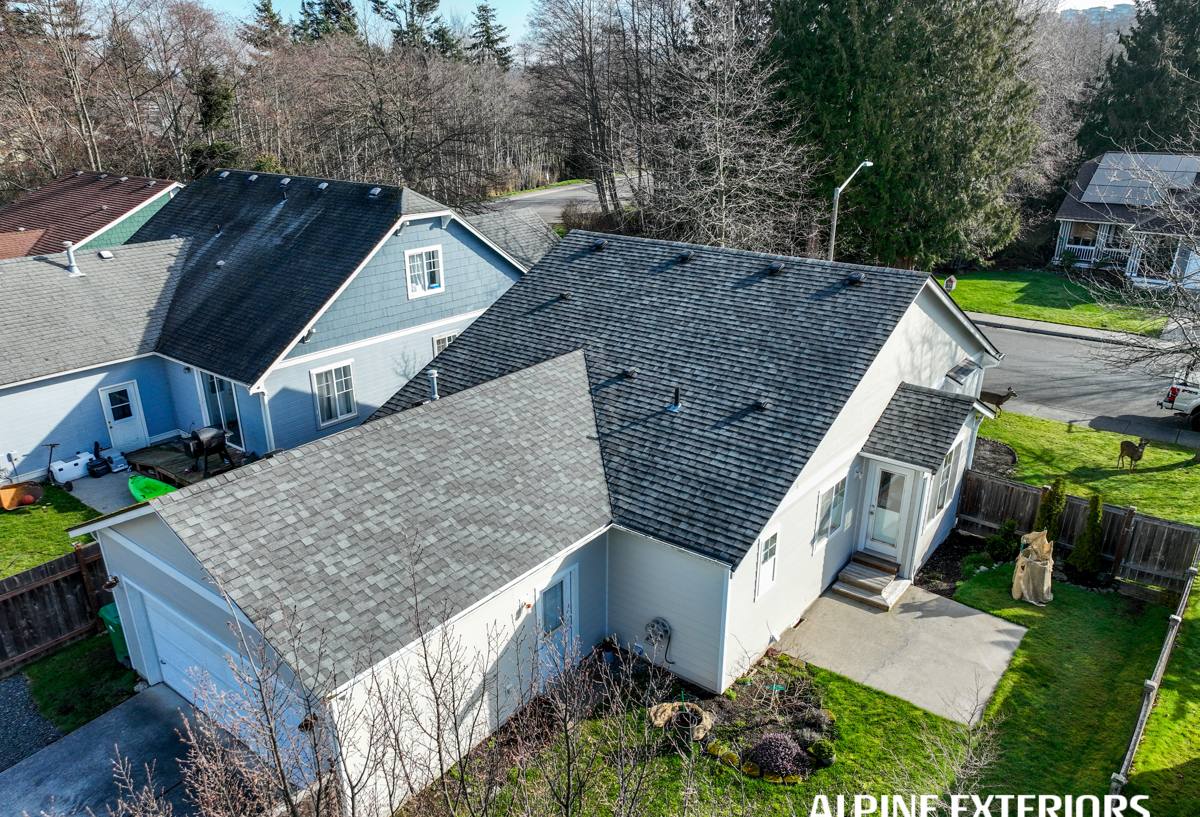
What Clearwater's Climate Does to a Home's Exterior
Wind and Storm Exposure
Clearwater sits in a hurricane-vulnerable stretch of the Gulf Coast. Even in years without a direct hit, tropical systems bring sustained high winds and wind-driven rain that gets forced sideways into seams, laps, and fastener points. Siding that isn't rated for high wind zones, or that wasn't installed with the right fastening schedule, can lift, crack, or let water behind the wall assembly during a single bad storm.
Wind-Driven Rain and Moisture Intrusion
It's not just how much rain falls — it's the direction it comes from. Wind-driven rain pushes moisture into places gravity alone wouldn't reach: under lap edges, around trim, and into any gap that wouldn't matter in a calmer climate. Siding materials that absorb or trap moisture, or that swell and don't fully dry back out between storms, are at a real disadvantage in a place like Clearwater where the next humid, rainy stretch is never far off.
Year-Round UV Load
Florida sun is relentless on painted and coated exterior surfaces. UV breaks down pigments and resin binders over time, which is why so many homes in this area show chalking, fading, or peeling paint well before a homeowner expects to repaint. A finish that's factory-baked and engineered for UV resistance holds its color and integrity far longer than a field-applied coat exposed to this much direct sun.
Salt Air and Corrosion
Even a few miles inland from the Gulf, airborne salt settles on siding, trim, and fasteners. Over years, that salt exposure accelerates corrosion of metal components and can degrade certain material finishes faster than in a landlocked climate. It's a slow, cumulative effect — which is exactly why it gets overlooked until a home is 8 or 10 years old and the exterior starts showing its age unevenly.
Why We Install Only James Hardie Fiber Cement
We get asked regularly why we don't offer vinyl, LP SmartSide, or other engineered wood and composite sidings. The honest answer is that we looked at how those products perform specifically in Gulf Coast heat, humidity, and storm exposure, and standardized on one system instead of stocking several.
- Non-combustible material — fiber cement doesn't feed a fire the way wood-based products can, which matters for insurance conversations as much as safety.
- Engineered for humid climates — Hardie's HZ5 product line is specifically formulated for high-humidity, high-moisture regions like ours, rather than being a general-purpose product used everywhere.
- Factory-applied ColorPlus finish — baked-on color resists the fading and chalking that field-applied paint struggles with under constant Florida sun, and it's backed by its own finish warranty.
- Dimensionally stable — fiber cement doesn't swell, warp, or rot the way wood-based composites can when exposed to repeated wetting from wind-driven rain.
- Strong, transferable warranty — when it's installed to spec, the warranty coverage is a meaningful backstop, and it can transfer to a new owner if the home sells.
None of this means other siding products are without merit — vinyl is inexpensive and low-maintenance in mild climates, and engineered wood has a warmer look some homeowners prefer. But for the specific combination of hurricane wind exposure, salt air, and UV load that Clearwater-area homes deal with, we've made fiber cement our standard rather than something we offer alongside lower-performing alternatives.
How Siding Materials Compare in This Climate
| Factor | Vinyl Siding | Engineered Wood (LP SmartSide) | James Hardie Fiber Cement |
|---|---|---|---|
| Wind rating potential | Moderate; can crack or blow off in high gusts | Moderate; depends on fastening and moisture condition | High; engineered and tested for high-wind installation |
| Moisture behavior | Doesn't absorb water but can trap it behind panels | Wood-based core can swell or degrade if moisture gets in | Doesn't rot; formulated for humid climates (HZ5) |
| UV/color retention | Can fade and become brittle over time | Field-applied paint fades and needs repainting | Factory ColorPlus finish resists fading and chalking |
| Fire behavior | Combustible | Combustible (wood-based) | Non-combustible |
| Typical repaint interval | N/A (rarely painted) | Every 5-8 years in this climate | Often 15+ years before repainting is needed |
Our Process for Clearwater-Area Homes
Every exterior job starts with an honest look at what's actually going on with the home — not just the siding, but how it interacts with the roof, windows, and trim, since a weak point in any one of those can undermine the rest.
Assessment
We inspect existing siding, sheathing, flashing, and any moisture-damaged areas before quoting anything. In a climate this humid, what looks like cosmetic wear on the surface sometimes points to trapped moisture underneath — worth catching before new siding goes over it.
Installation to Spec
James Hardie's performance depends heavily on installation quality — correct fastener type and spacing, proper clearances, and sealed joints matter more in a high-wind, high-moisture climate than in milder regions. We follow manufacturer installation guidelines closely because cutting corners here is exactly what leads to premature failures that get blamed on the product instead of the install.
Coordinated Exterior Work
Because we also handle roofing, windows, and decks, we can address an exterior as a system rather than in disconnected pieces. A roof leak that's been quietly wetting a wall cavity, or a window that's no longer sealing against wind-driven rain, will undercut even a perfect siding job if it's left unaddressed.
Cost Factors for a Clearwater Siding Project
| Factor | Why It Affects Cost |
|---|---|
| Home size and complexity | More square footage, corners, and trim detail mean more material and labor |
| Existing siding removal | Tear-off and disposal of old material adds time versus installing over prepared sheathing |
| Underlying moisture or wood damage | Repairs discovered during tear-off need to be addressed before new siding goes on |
| Hardie product line and profile | Lap, shingle, and panel styles vary in material and labor cost |
| Trim and accessory work | Fascia, soffit, and trim replacement often gets bundled with a siding project |
What to Look For When Hiring a Siding Contractor Here
- Manufacturer training or certification specific to fiber cement installation, not just general siding experience
- A written scope that specifies fastener type, spacing, and flashing details — not just "install siding"
- Willingness to inspect for moisture or structural damage before quoting, rather than pricing sight-unseen
- Proper licensing and insurance for work in Hillsborough County
- A clear explanation of warranty coverage — both the manufacturer's product warranty and the contractor's labor warranty
- References to how the crew handles wind and moisture detailing specifically, given the local climate
Why a Local Crew Matters
A contractor who works the Tampa Bay area regularly has already seen how a given detail performs through a real hurricane season, a real humid summer, and a few years of Gulf salt exposure — not just how it looks on installation day. That local track record shapes how we flash a window, where we add extra fastening, and which product line we recommend for a given exposure. It's a different starting point than a crew that mostly works inland or in a different climate zone entirely.
Roofing, Windows, and Decks Alongside Siding
Siding rarely fails in isolation. A roof that's shedding water improperly, windows with failing seals, or a deck that's trapping moisture against the house can all quietly stress the siding around them. Because we handle all four trades, we can look at a Clearwater home's full exterior envelope and flag issues that a siding-only contractor might miss — or that would otherwise surface as a "siding problem" a few years down the road when the real cause was somewhere else.
If you're weighing a siding project for a home in the Clearwater area, we're happy to take a look and walk through what we see — no pressure, no obligation. Use the form below to request a free estimate.