 Tampa Siding
 Exterior Work Built for Town 'n' Country's Climate
Town 'n' Country is one of Hillsborough County's older, well-established residential communities, sitting west of downtown Tampa between the Veterans Expressway and the Tampa Bay waterfront. Homes here range from mid-century block construction to newer infill builds, and nearly all of them share the same exterior challenge: Florida's Gulf Coast climate does not let up. Between hurricane-force wind events, intense year-round UV exposure, wind-driven rain, and salt-laden air moving in off the bay, the exterior envelope of a Town 'n' Country home works harder than it would almost anywhere else in the country.
We're a Tampa-based siding, roofing, window, and deck contractor, and Town 'n' Country is inside our normal service footprint. That matters more than it might sound like it should — a crew that works this specific stretch of Hillsborough County knows what the salt air does to fasteners over ten years, what wind uplift ratings actually mean in a storm, and which installation shortcuts fail first here. General contractors from outside the region tend to install exteriors the way they would in a drier, calmer climate. That approach does not hold up on the Gulf Coast.
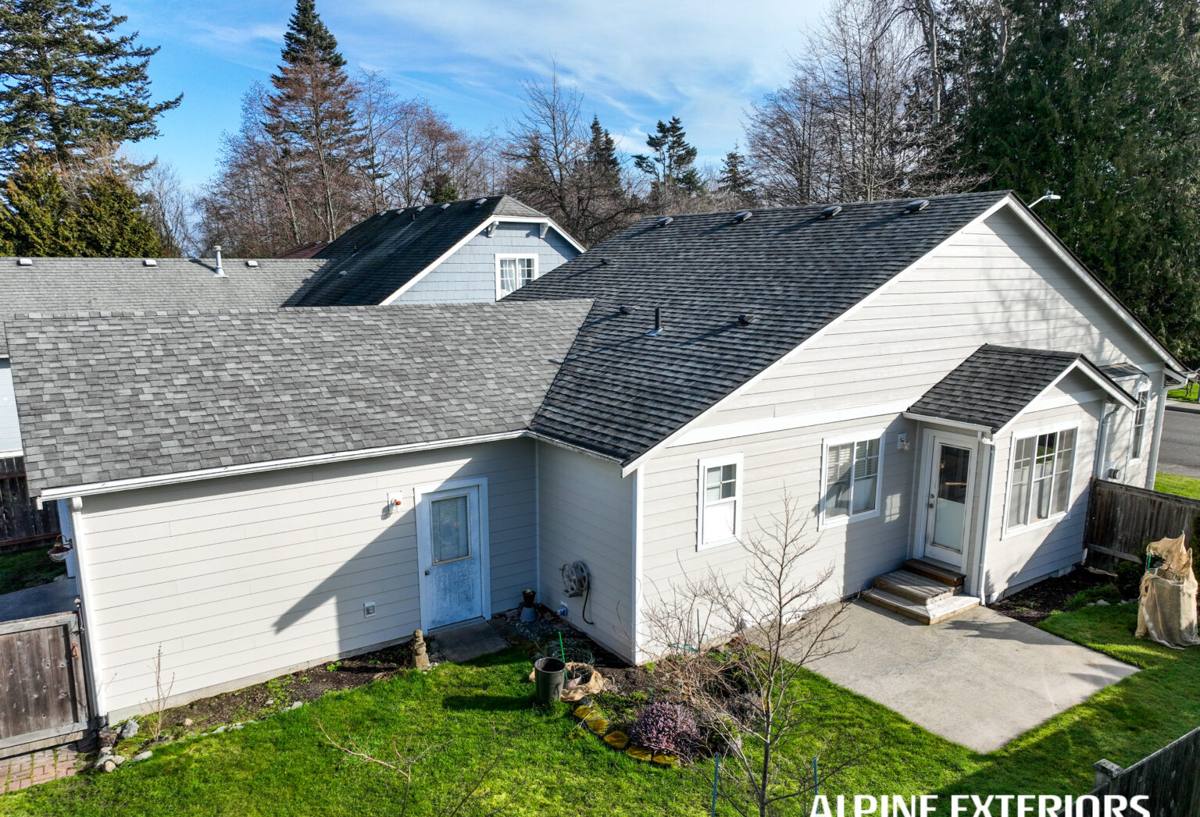
What the Regional Climate Actually Does to a House
Heat and UV
Tampa Bay sees some of the most sustained UV exposure in the continental United States. On siding, that means constant thermal cycling — expansion in the afternoon heat, contraction overnight — repeated for decades. Paint film and coatings that aren't engineered for this cycle chalk, fade, and crack years ahead of schedule. On roofing, UV breaks down asphalt shingle oils and accelerates granule loss. On windows, it degrades seals and glazing compounds over time.
Wind-Driven Rain
Rain in this region rarely falls straight down. Storm systems push it sideways, which means it's tested against every seam, joint, and penetration in your exterior — not just the flat surfaces. Siding laps, window flashing, and roof-to-wall transitions are where wind-driven rain finds a way in if they weren't detailed correctly the first time.
Salt Air
Proximity to Tampa Bay means airborne salt is a constant, low-level presence even well inland. Salt accelerates corrosion on fasteners, flashing, and any exposed metal components. It also interacts with lesser-quality coatings and substrates in ways that show up as premature failure — chalking, staining, and material breakdown that a homeowner further from the coast simply doesn't deal with.
Hurricane-Force Wind Events
Hillsborough County sits squarely in a hurricane-exposed region. Wind uplift on siding and roofing, and impact resistance on windows, aren't theoretical concerns here — they're the baseline design condition. Products and installation methods that are rated for calmer climates are simply the wrong choice for a Town 'n' Country roofline.
Why We Only Install James Hardie Fiber Cement Siding
We made a deliberate decision as a company: we install James Hardie fiber cement siding, exclusively. We don't install vinyl siding, LP SmartSide, Cemplank, Allura, or primed wood products like spruce or cedar lap. That's not a marketing position — it's a standard we hold because of what we've seen these products do, and not do, in exactly this climate.
Vinyl
Vinyl is inexpensive and easy to install, and for milder climates it can be a reasonable choice. In Hillsborough County's heat, however, it softens, warps, and can deform against dark colors baking in direct sun. In high wind, vinyl panels are also more prone to cracking or blowing off than fiber cement, since it's a thinner, more flexible material relying on interlocking clips rather than a rigid, fastened panel.
Engineered Wood (LP SmartSide) and Wood-Based Products
Engineered wood siding performs well in many parts of the country, but it's a wood-based product, and wood-based products are moisture-sensitive by nature. In a climate with this much humidity, wind-driven rain, and salt air, any breach in the coating or a poorly sealed cut edge becomes an entry point for moisture that wood fiber will absorb and swell. Cedar and primed spruce carry the same fundamental vulnerability, just without the engineered strand construction — plus they require far more homeowner maintenance to keep the finish intact.
Other Fiber Cement Brands (Cemplank, Allura)
These are legitimate fiber cement products and not the same risk category as vinyl or wood. Our reasoning here is narrower: we standardize on one product line so our crews install it the same way on every job, we know its warranty terms inside and out, and we can speak to its long-term track record with confidence rather than hedging across multiple systems. James Hardie has the deepest track record and the broadest color and profile selection for our market, including product lines specifically engineered for humid, high-moisture climates.
What Hardie Gets Right for This Climate
- Non-combustible material — fiber cement doesn't burn, feed, or spread fire the way wood-based sidings can
- ColorPlus factory-baked finish — resists the fading and chalking that UV causes in field-applied paint
- HZ5 product engineering — Hardie's HZ product lines are formulated for high-humidity, high-moisture regions like the Gulf Coast
- Dimensionally stable — doesn't swell, warp, or rot the way wood-based sidings can when exposed to moisture
- Strong transferable warranty backing, which matters at resale in a market where buyers ask about siding age and condition
Roofing, Windows, and Decks: The Rest of the Envelope
Siding is only part of the story. Wind, rain, UV, and salt hit every exterior surface on a Town 'n' Country home, so we treat roofing, windows, and decks as one connected system rather than separate projects.
Roofing
Roof-to-wall flashing and roof edge detailing are where a lot of wind-driven rain problems actually originate, even when the water damage shows up on a wall below. When we handle both the siding and the roofing work, those transitions get built as a single sealed system instead of two contractors' work meeting in the middle.
Windows
Window flashing and integration with the siding plane is one of the most common failure points we find on older Hillsborough County homes. Impact-rated windows, installed with proper flashing tied into the siding's water management, are what actually keep wind-driven rain out during a storm — the glass rating alone isn't enough if the flashing detail is wrong.
Decks
Outdoor living structures in this climate take a beating from the same UV and moisture cycling as the rest of the exterior. Fasteners, ledger board flashing, and material selection all need to account for humidity and salt air exposure, the same way siding does.
What Correct Installation Actually Involves
James Hardie siding performs the way it's engineered to only when it's installed to the manufacturer's specifications. That includes correct fastener spacing and type, proper clearance from grade and roofline, correctly lapped and sealed joints, and flashing details that account for wind-driven rain rather than just vertical rainfall. In a hurricane-exposed county like Hillsborough, installation quality is often the difference between siding that rides out a storm season after season and siding that fails at the first hard wind event — regardless of which brand is on the panel.
Cost Factors for a Town 'n' Country Exterior Project
Every home is different, but these are the variables that most affect the scope and cost of a siding, roofing, window, or deck project in this area:
| Factor | Why It Matters |
|---|---|
| Home size and story count | More surface area and access complexity directly affect labor and material quantities |
| Existing siding removal | Tear-off of old vinyl, wood, or damaged material adds labor and disposal cost |
| Substrate condition | Water damage or rot found underneath old siding needs repair before new material goes on |
| Trim and profile selection | Hardie offers multiple plank widths, panel styles, and trim options at different price points |
| Window and door count | Each opening needs flashing and trim work, which adds time regardless of siding brand |
| Roofline complexity | Dormers, multiple roof planes, and roof-to-wall transitions increase flashing detail work |
| Color and finish | Factory ColorPlus finishes and custom color-matching carry different costs than standard primed panels |
Choosing a Contractor for This Kind of Work
Because Town 'n' Country sits in a hurricane-exposed, high-humidity, salt-air environment, the contractor you choose matters as much as the material. A few things worth checking before you sign anything:
- Confirm active Florida contractor licensing and insurance, and verify it directly rather than taking a business card at its word
- Ask specifically how they detail flashing at windows, doors, and roof-to-wall transitions — this is where most water intrusion problems start
- Ask what wind rating and installation method they use for fastening siding, given Hillsborough County's wind exposure
- Ask whether they specialize in one siding system or juggle several — deep familiarity with one product's installation requirements tends to produce more consistent results than spreading across many
- Get a written scope that covers substrate repair, not just the visible finish work
- Ask about warranty terms in writing, including what's covered on materials versus labor
Get a Free, No-Pressure Estimate
If your Town 'n' Country home is due for new siding, a roof, replacement windows, or deck work, we're happy to walk the property, look at what the climate here has actually done to your current exterior, and give you a straightforward assessment. There's no pressure and no obligation — just a clear look at your options and honest numbers. Use the form below to request your free estimate.