 Tampa Siding
 Siding Built for the Way New Tampa Actually Weathers
New Tampa sits inland from the bay but still takes a beating from the same climate that defines this whole region: long stretches of intense UV, a rainy season that dumps heavy, wind-driven water in short bursts, and the periodic threat of a tropical system strong enough to test every seam, fastener, and joint on the outside of a house. Add Hillsborough County's humidity, which rarely lets building materials fully dry out, and you have a set of conditions that separates siding products that merely look good on install day from siding products that still look good five, ten, and twenty years later.
We install exclusively James Hardie fiber cement siding. That is not a marketing angle — it is a decision we made after years of watching how different siding materials actually perform once they are exposed to Tampa-area weather over time, not just in a showroom or a sales brochure. This page explains what New Tampa homes are up against, how our process addresses it, and why we think fiber cement is the right call for homeowners in this part of the county.
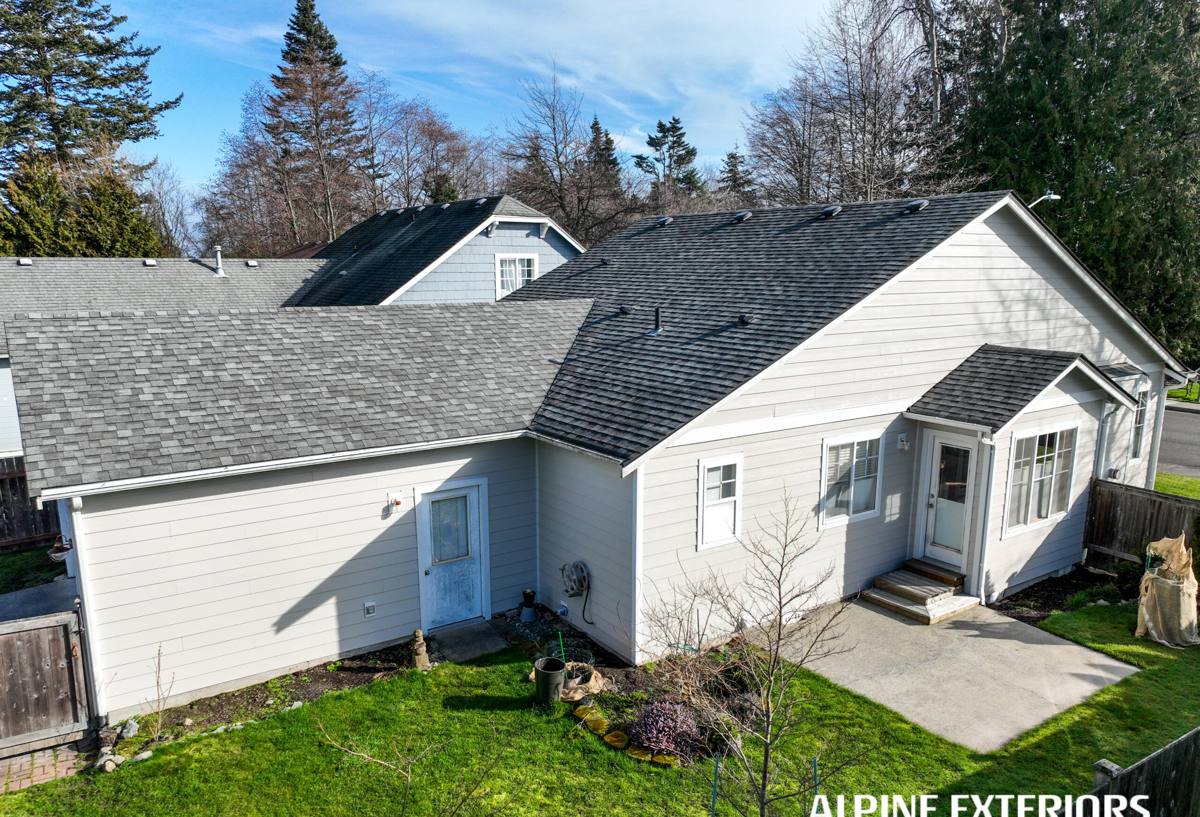
What New Tampa's Climate Does to a House Exterior
Heat and UV
Florida sun is relentless, and New Tampa gets its full share. UV exposure breaks down pigments and resins in lower-grade siding materials, which is why cheaper products often fade unevenly, especially on south- and west-facing walls. Over time this shows up as chalking, color drift, or a exterior that looks visibly older on one side of the house than the other.
Humidity and Moisture Cycling
Tampa's humidity means siding rarely gets a long dry stretch. Materials that absorb moisture, or that trap it behind the surface, are more prone to swelling, warping, and eventually rot. This is less about any single storm and more about the constant cycle of damp mornings, afternoon showers, and thick air that never fully clears.
Wind-Driven Rain and Storm Exposure
During Hillsborough County's rainy season and hurricane season, rain rarely falls straight down — it drives sideways into walls, works into seams, and finds any gap in flashing or trim. Wind loads on inland neighborhoods like New Tampa are generally lower than immediate coastal exposure, but they are still real, and a strong tropical system can produce damaging gusts well away from the water. Siding that is not installed with correct fastening and flashing details is where storm damage tends to start.
Salt Air, Even Inland
New Tampa is not beachfront, but the greater Tampa Bay airshed still carries salt content that settles on exterior surfaces over time, especially during onshore wind patterns. It is a slower, more subtle factor than direct coastal salt spray, but it still contributes to the general wear on paint, caulk, and metal fasteners over a home's lifetime.
Why We Standardized on James Hardie
James Hardie fiber cement is engineered from cement, sand, and cellulose fibers, which makes it dimensionally stable in ways that wood-based and polymer-based sidings are not. It does not absorb water the way wood products can, it does not soften or deform in heat the way vinyl can, and it is non-combustible, which matters both for wildfire-adjacent risk and for general homeowner peace of mind.
James Hardie also makes a version of its product line — the HZ5 designation — specifically engineered for hot, humid climates like Florida's, addressing moisture and pest resistance in ways that a generic national product does not. Combined with the factory-applied ColorPlus finish, which is baked on under controlled conditions rather than painted on site, you get a finish that resists fading and chipping far better than field-applied paint on wood or composite siding.
We are not the only James Hardie installer in the Tampa area, but we are a James Hardie-only installer. We do not offer LP SmartSide, vinyl, Cemplank, Allura, or unfinished wood siding as alternatives, because we do not want to be in the position of selling a homeowner a product we would not put on our own home. That single-product focus also means our crews are not switching between five different installation systems from job to job — they know Hardie's fastening patterns, clearances, and finishing details cold.
How We Approach a New Tampa Siding Project
Assessment and Product Selection
Every project starts with a walk of the property to look at existing siding condition, trim and flashing details, moisture points around windows and doors, and any areas where past water intrusion has left evidence. From there we help homeowners choose between Hardie's plank, shingle, and panel product lines based on the home's architectural style and the look they want.
Installation Detail Work
Fiber cement siding performs the way it is designed to only when it is installed correctly. That means proper starter strips, correct nailing patterns (not overdriven, not underdriven), correct clearances from rooflines and grade, and properly flashed and caulked penetrations at windows, doors, and utility penetrations. This is where most long-term siding failures actually originate — not in the material itself, but in shortcuts taken during installation that only show themselves years later.
Finish and Trim
We use factory-finished ColorPlus panels wherever possible to avoid field painting, and we detail trim, corners, and transitions so water sheds away from the wall assembly rather than collecting at joints. This is especially important in New Tampa's humidity, where any spot that holds moisture becomes a long-term liability.
Beyond Siding: Roofing, Windows, and Decks
Siding is only one piece of a home's exterior envelope, and in a climate like this the pieces work together. A well-installed roof keeps water from finding its way behind siding at the roofline; correctly flashed and sealed windows keep wind-driven rain from working into wall cavities; and a deck built with weather-appropriate materials and hardware holds up to the same sun and moisture cycling as the rest of the house. We handle all four — siding, roofing, windows, and decks — because a homeowner dealing with exterior wear is often dealing with more than one of these at the same time, and coordinating them with a single local crew avoids the finger-pointing that happens when separate contractors handle each trade in isolation.
Comparing Common Siding Options for New Tampa Homes
| Material | Moisture Behavior in Humid Climate | UV/Fade Resistance | Maintenance |
|---|---|---|---|
| James Hardie Fiber Cement (HZ5) | Dimensionally stable, engineered for high-moisture climates | Factory ColorPlus finish resists fading | Low; periodic caulk/inspection |
| Vinyl Siding | Does not absorb water but can warp/soften in high heat | Prone to fading and chalking over time | Low, but limited repair options if damaged |
| Wood/Cedar Siding | Absorbs moisture; prone to rot in humid climates without diligent upkeep | Requires repainting/staining on a regular cycle | High; ongoing sealing and paint maintenance |
| LP SmartSide (engineered wood) | Treated to resist moisture, but wood-based core still sensitive to sustained damp exposure | Field or factory finish; fade resistance varies | Moderate; edge and cut-end sealing is critical |
This is not a claim that other products fail outright — many perform reasonably well when installed and maintained correctly. It is a summary of why, given Tampa's specific combination of heat, humidity, and storm exposure, fiber cement engineered for this climate is the option we are willing to stand behind with our own installation crews.
What Homeowners Can Do Between Professional Inspections
- Walk the exterior after any significant storm and look for loose, cracked, or missing siding panels.
- Check caulking around windows, doors, and trim annually — cracked or missing caulk is an early entry point for moisture.
- Watch for soft spots, staining, or discoloration near the base of walls, which can indicate trapped moisture.
- Keep sprinklers and irrigation heads angled away from siding to reduce constant direct wetting.
- Trim vegetation back from exterior walls so siding can dry properly and airflow isn't blocked.
- Note any areas where paint or finish looks chalky or faded compared to the rest of the house — uneven wear can point to a localized problem.
Signs It May Be Time to Replace Rather Than Repair
When Repair Makes Sense
Isolated damage — a cracked panel from storm debris, a section pulled loose in high wind — is usually a straightforward repair, especially if the rest of the siding is in good condition and installed correctly.
When Replacement Makes More Sense
Widespread warping, soft or spongy sections across multiple walls, repeated paint failure, or siding that is original to a home built decades ago are all signs that patching one area is only delaying a larger project. In those cases, a full replacement with a climate-appropriate product tends to be more cost-effective over the home's remaining lifespan than a cycle of repeated repairs.
Why a Local Crew Matters in Hillsborough County
A contractor working across Hillsborough County day in and day out sees how homes in this area actually age — which details fail first, which orientations take the worst sun exposure, and which storm patterns cause the most callback repairs. That local pattern recognition shapes how we flash a window or detail a corner in ways a national installer rotating through unfamiliar markets typically cannot match. It also means when a homeowner in New Tampa calls with a question six years after installation, they are reaching a company that is still local, still reachable, and still standing behind the work.
Warranty and Long-Term Value
James Hardie backs its ColorPlus and product warranties with terms that are transferable to a future homeowner, which is a meaningful detail if you plan to sell the home at any point. Combined with correct installation — which is what actually determines whether a warranty claim is even valid down the line — this gives New Tampa homeowners a siding system built for a multi-decade lifespan in a climate that does not forgive shortcuts.
If you're weighing a siding project in New Tampa — whether it's a full replacement, storm repair, or you're just trying to understand your options before committing — we're happy to walk the property with you and give an honest, no-pressure estimate. There's a form below to get started.