 Tampa Siding
 What Plant City Homes Are Up Against
Plant City sits inland from Tampa Bay, in the eastern stretch of Hillsborough County, but "inland" doesn't mean "protected." The same tropical storm systems and hurricane bands that move across the bay push straight through Plant City on their way inland, often carrying sustained wind and gusts that don't drop off much just because a home is twenty miles from the water. Add in the year-round subtropical sun and the long, humid summers, and a home's exterior here is working hard every single day, not just during storm season.
Because Plant City sits farther from the coastline than communities like Clearwater or St. Petersburg, direct salt spray isn't the dominant threat it is on the barrier islands. But the broader Tampa Bay air mass still carries salt-laden moisture inland on onshore winds, and combined with high humidity, that's enough to accelerate corrosion on fasteners, trim, and anything not rated for a coastal-influenced climate. Homeowners here are dealing with a blend of two problems at once: intense UV and heat cycling from agricultural, open-sky exposure, plus the wind and moisture load of a hurricane-prone region.
That combination is exactly why generic siding products — the kind built for a mild, dry climate somewhere else — tend to underperform here faster than manufacturers' marketing suggests. Constant expansion and contraction from heat, repeated soaking from wind-driven rain, and UV bombardment on painted or laminate surfaces all compound over the years.
Why We Only Install James Hardie Fiber Cement
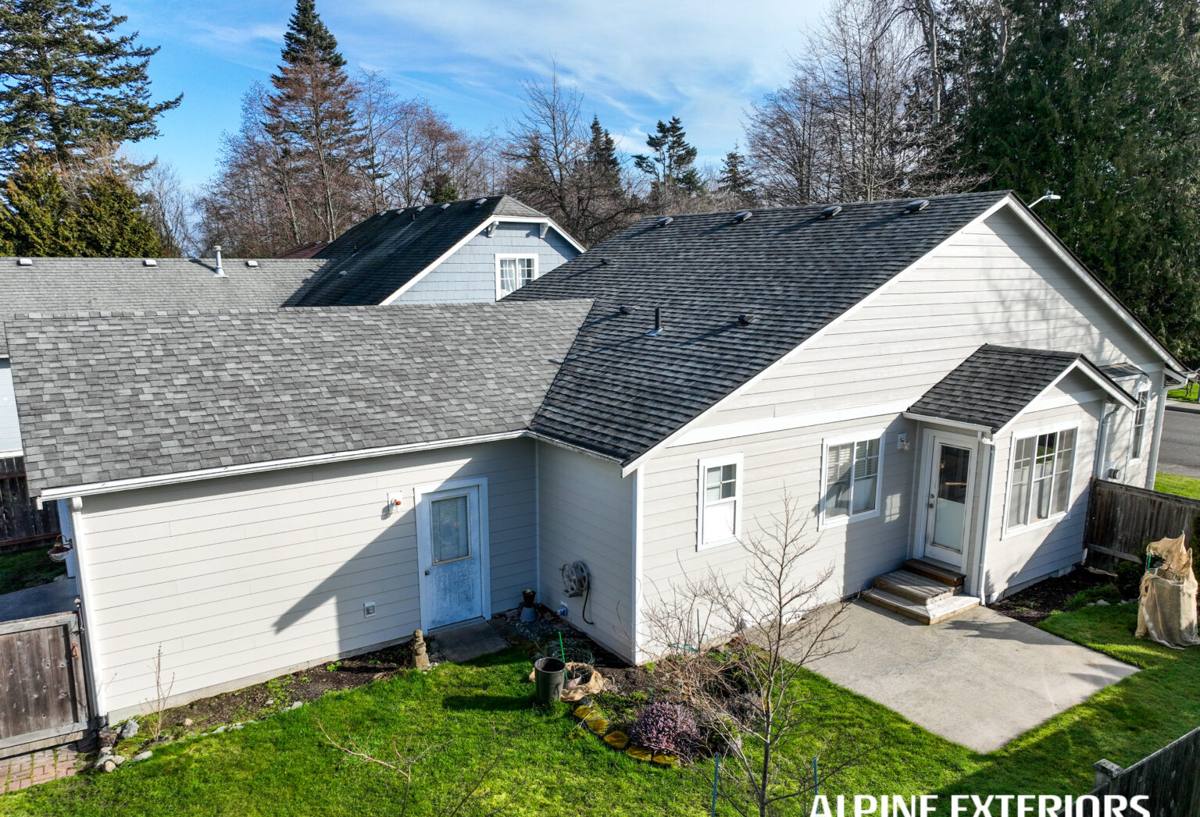
We made a decision early on to install one siding system: James Hardie fiber cement. Not because it's the only product on the market, but because after years of doing exterior work across the Tampa Bay area, it's the one that consistently holds up to this specific climate without the maintenance headaches or moisture problems we've seen in other materials.
What Fiber Cement Gets Right
- Non-combustible — a real advantage in Florida's wildfire-adjacent and lightning-heavy summer months
- Dimensionally stable in heat and humidity swings, so it doesn't warp, cup, or buckle the way some engineered wood products can
- Factory-applied ColorPlus finish resists UV fade far longer than field-applied paint
- Engineered HZ5 product lines built specifically for high-humidity, high-wind climates like ours
- Doesn't support rot or insect activity the way wood-based sidings can when moisture gets behind them
Every siding product has trade-offs. Fiber cement is heavier and requires proper fastening and joint treatment to perform to spec — cut corners on installation and you lose the benefit. That's a real consideration, not a reason to skip it; it's a reason to hire a crew that installs it correctly every time.
Why We Don't Install Everything Else
We get asked regularly about vinyl, LP SmartSide, and other engineered wood products, so we're upfront about why we don't put them on Plant City homes.
Vinyl
Vinyl is affordable and low-maintenance in the right climate, but it softens and can warp under sustained direct sun, and in a straight-line wind event or hurricane gust it's more prone to cracking or blowing off than a properly fastened fiber cement panel. In a county that sees real hurricane exposure, that's a trade-off we're not comfortable putting our name behind.
Engineered Wood (LP SmartSide and similar)
These products have improved a lot over the years and can perform well when installation and caulking are maintained perfectly. The catch is "maintained perfectly" — in a humid climate with frequent wind-driven rain, any gap in caulking or flashing gives moisture a path into the wood substrate, and once that starts, it's a slow, hidden problem rather than an obvious one. We'd rather not install a product whose long-term performance depends that heavily on maintenance discipline homeowners may not keep up with.
Other Fiber Cement Brands
Cemplank, Allura, and similar fiber cement alternatives are legitimate products, but we've standardized on Hardie specifically for its factory finish consistency, its climate-zoned HZ engineering, and its warranty structure. Sticking to one manufacturer also means our crews install it the same correct way every time, instead of switching techniques between product lines.
Beyond Siding: The Full Exterior Envelope
Siding doesn't work in isolation. In a climate that throws wind, sun, and rain at a house from every angle, the roof, windows, and siding all have to function as one system.
Roofing
Your roof takes the first hit in every storm. We handle roof repair and replacement alongside siding work because a compromised roofline — even a small one — can send water behind new siding and undo the benefit of the upgrade.
Windows
Old or poorly sealed windows are one of the most common places wind-driven rain finds its way into a wall assembly. Replacing windows at the same time as siding lets us properly integrate flashing and trim so the whole wall works as a sealed system, not a patchwork of separate projects.
Decks
Outdoor living spaces in this climate see the same UV and humidity exposure as the siding, just at ground level with added foot traffic and standing-water risk. We build and repair decks with the same attention to moisture management and material selection we apply to the rest of the exterior.
What a Local Crew Actually Changes
A lot of exterior contractors work statewide or send crews that rotate through different regions of Florida. There's nothing wrong with that model on its own, but it means the crew on your roof or siding job may not have a working sense of how Plant City's mix of agricultural open exposure, inland heat buildup, and hurricane wind patterns differs from, say, a shaded neighborhood closer to the bay.
Working the Hillsborough County market regularly means we know which detailing matters most for homes here: how starter strips and flashing need to handle wind-driven rain, where UV exposure is most intense on south- and west-facing walls, and how to sequence a project around Florida's wet season so a home isn't left exposed mid-project when a storm rolls through. It also means we're not guessing at permitting requirements or wind-load specifications for the county — we deal with them regularly.
Signs Your Current Siding Needs Attention
Homeowners often wait until damage is obvious, but fiber cement and other siding materials usually give earlier warning signs.
- Visible cracking, especially near corners, seams, or fastener points
- Soft spots or discoloration that suggest moisture has gotten behind the siding
- Fading or chalking paint that's uneven across different sides of the house (a sign of UV degradation)
- Warping, bowing, or panels that no longer sit flush against the wall
- Rising energy bills that may point to a compromised building envelope, not just an HVAC issue
- Visible gaps at trim, window, or door transitions where caulking has failed
Any one of these on its own might not be urgent. Several at once, especially after a storm season, is worth a professional look before small problems become structural ones.
What a Siding Project Looks Like
We start with an on-site inspection and an honest conversation about condition, not just a sales pitch. If replacement makes sense, the process generally includes removing old siding down to the sheathing, inspecting and repairing any underlying damage (this step matters — covering rot or moisture damage with new siding just hides the problem), installing a proper weather-resistive barrier, and then installing James Hardie panels or lap siding to manufacturer specifications, including correct fastening patterns and joint treatment for our wind zone.
Timelines vary with home size and scope, but most single-family siding projects run from several days to a couple of weeks. We sequence work to minimize how long any wall section is exposed, which matters in a climate where an unexpected afternoon storm is always a possibility.
Cost Factors to Understand
| Factor | Why It Matters |
|---|---|
| Home size and wall complexity | More corners, dormers, and trim details mean more labor and material |
| Substrate condition | Rot or moisture damage found during tear-off adds repair cost but prevents bigger problems later |
| Siding profile and color | Lap width, panel style, and ColorPlus color selection affect material pricing |
| Accessibility | Multi-story sections or tight lot lines can increase labor time |
| Bundled work | Combining siding with window or roof work can reduce total disruption and sometimes overall cost versus separate projects |
We don't quote broad numbers here because every home is different, but a full, itemized estimate after an on-site inspection is the only honest way to price a project like this.
A Straightforward Next Step
If your Plant City home's siding is showing its age, or you're planning ahead of the next storm season, we're glad to come take a look. There's no pressure and no obligation — just a straight assessment of what your home needs and what it would take to do it right. You can request a free estimate using the form below.