 Tampa Siding
 Serving Ybor City's Mix of Historic and Newer Homes
Ybor City is one of Tampa's oldest neighborhoods, and its housing stock reflects that history. Wood-frame bungalows and shotgun-style homes from the early 1900s sit alongside infill construction, converted cigar-worker cottages, and newer townhomes built in the decades since. That mix means no two exteriors here face quite the same set of problems. A century-old frame house with original wood siding is fighting a different battle than a stucco-clad build from the 2000s, but they share the same Hillsborough County climate — and that climate does not go easy on any of them.
We work Ybor City as part of our regular Tampa service area, and we treat every job here the same way: assess the actual condition of the walls, explain what we find in plain language, and recommend the material and installation approach that will actually hold up, not just the one that's cheapest to quote.
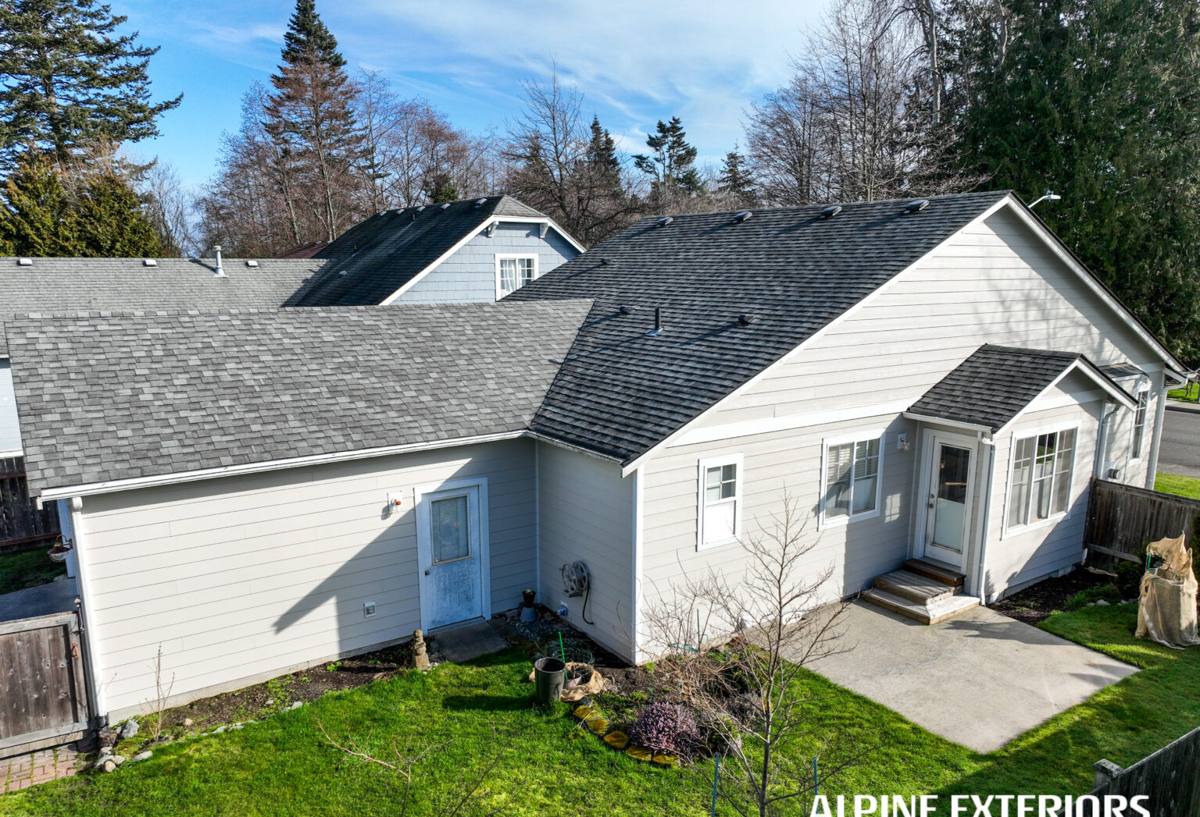
What Tampa's Climate Does to Exterior Walls
Hillsborough County sits in one of the more demanding climates in the continental U.S. for exterior building materials. A few things compound here that don't all show up together in most parts of the country:
- Hurricane-force wind exposure — every named storm that tracks anywhere near Tampa Bay puts lateral load and wind-driven rain directly against siding, trim, and fastening systems
- Intense, near-constant UV — Florida sun degrades paint film and some cladding surfaces faster than almost anywhere in the country, most of the year, not just in summer
- Wind-driven rain — storms here don't just fall, they blow sideways into wall assemblies, testing every seam, flashing detail, and butt joint
- Salt air — Ybor City's proximity to Tampa Bay means airborne salt reaches fasteners, trim, and any exposed metal, accelerating corrosion over time
Individually, most siding materials can be engineered to handle one or two of these stresses. The problem is Tampa throws all four at a wall, year after year, and that's where a lot of siding choices that look fine on a spec sheet start showing their limits after five or ten years in this specific climate.
Why We Standardized on One Product
We install James Hardie fiber cement siding exclusively. We do not install vinyl, LP SmartSide, Cemplank, Allura, primed spruce, or cedar. That is a deliberate decision, not a limitation of what we're capable of installing — we've simply concluded, after years of working on homes in this exact climate, that fiber cement from Hardie is the product that consistently holds up to what Tampa Bay weather does to a wall.
Here's the reasoning in plain terms:
| Concern | Why it matters in Ybor City |
|---|---|
| Fire resistance | Fiber cement is non-combustible, which matters on a densely built neighborhood where homes sit closer together than in newer subdivisions |
| Moisture and rot | Fiber cement does not absorb and swell the way wood-based products can when wind-driven rain gets past the first line of defense |
| UV and color stability | Hardie's factory-applied ColorPlus finish is engineered to resist fading under sustained Florida sun far longer than field-applied paint |
| Wind performance | Hardie's HZ5 product line is engineered and rated for high-wind, high-moisture climate zones like ours |
| Long-term cost | Less repainting, less repair from moisture damage, and a warranty structure that's meaningful rather than symbolic |
We're not going to tell you every other product on the market is bad — some of them work fine in milder climates, and a few have real strengths. But we build siding for homes in a hurricane zone with salt air and brutal UV, and after weighing those trade-offs for our own work, fiber cement is what we're willing to put our name and warranty behind.
What This Means If You're Comparing Bids
If you get a quote from us and a quote from a contractor offering vinyl or an engineered wood product, you're not just comparing prices — you're comparing two different bets on how the material performs against Tampa Bay weather over 20-plus years. We'd rather lose a bid to a cheaper material than install something in this climate we don't believe will hold up.
The James Hardie System, Not Just a Board
Fiber cement siding is only as good as the assembly it's installed in. Hardie engineers its HZ5 product line specifically for high-wind, high-moisture zones, which covers Ybor City and the rest of the Tampa Bay area. But the product line is one piece of a correctly built wall system:
- A continuous water-resistive barrier behind the siding, with every window, door, and penetration properly flashed and lapped so water sheds outward, not inward
- Fastener spacing, type, and placement that follow Hardie's published specifications for our wind zone — this is where a lot of installation quality gets decided and where corner-cutting shows up years later
- Correct joint treatment and caulking at butt joints, corners, and trim intersections, since these are the points most exposed to wind-driven rain
- Proper clearance from grade, roofing, and decking so the siding isn't sitting in standing water or trapped moisture
ColorPlus finished boards arrive from the factory with the color already baked on under controlled conditions, which is part of why the finish holds up better under Florida sun than paint applied on site after installation. Hardie backs its ColorPlus finish and substrate with warranty coverage that's transferable to a future buyer if you sell the home — worth knowing if you're weighing siding as part of a longer-term investment in the property.
Beyond Siding: Roofing, Windows, and Decks
Siding rarely fails in isolation. A roof leak at the fascia line, a window that's no longer sealing properly, or a deck ledger board holding moisture against the house all put stress on the same wall assembly your siding is trying to protect. We handle roofing, windows, and decks alongside siding work because in a climate like this, treating the exterior as one connected system — rather than four separate trades that don't talk to each other — is how you actually solve problems instead of moving them around.
For a home in Ybor City, that might mean a straightforward siding replacement on its own, or it might mean addressing a roofing detail at the same time so the new siding isn't installed against a water source that's still active. We'll tell you honestly which situation you're in after we look at the actual house.
What a Siding Project Looks Like Here
Assessment
We start by walking the exterior and looking at what's actually happening — moisture staining, soft spots, failed caulk joints, sun-damaged paint, gaps at trim. On older Ybor City homes we also pay attention to how the original structure was framed and sheathed, since that affects how the new siding assembly gets built.
Removal and Prep
Old siding comes off, and we inspect the sheathing underneath before anything new goes up. This step matters — covering damaged or wet sheathing with new siding just hides a problem instead of fixing it.
Water Barrier and Flashing
A continuous water-resistive barrier goes on before any board is installed, with flashing detailed at every window, door, and penetration. This layer is what actually keeps wind-driven rain out of the wall cavity, and it's invisible once the job is done — which is exactly why it's the step some installers rush.
Installation
Hardie HZ5 boards go up to manufacturer spec — correct fastener type, spacing, and joint treatment for our wind zone.
Trim and Final Detail
Corner trim, window and door trim, and caulking get finished with the same attention as the field of the siding, since these are common failure points if rushed.
Questions Worth Asking Any Siding Contractor Bidding Your Ybor City Home
- What water-resistive barrier and flashing system will you use behind the siding?
- Are you following the manufacturer's fastening spec for our wind zone, or a generic install pattern?
- Will damaged sheathing be repaired before new siding goes on, or covered over?
- What does the warranty actually cover — labor, materials, or both — and is it transferable?
- How long has your crew been installing this specific product, and can they explain why it's the right fit for a Tampa Bay home?
Why a Local Crew Matters
A contractor who works Tampa Bay regularly has already seen how wind, UV, and salt air play out on real houses over real timelines — not just on a product spec sheet. That translates into knowing which details to be strict about here even when they might be optional in a milder climate, and having a track record you can actually check rather than a generic pitch that could apply to any city in the country. It also means someone who's reachable after the job is done and after the next storm season, not a crew that moved on to the next region.
Get a Straight Answer About Your Siding
If your Ybor City home's siding is showing sun damage, moisture staining, failing seams, or you're simply planning ahead of the next storm season, we're glad to come take a look. We'll give you an honest read on the condition of your walls, explain what we'd recommend and why, and provide a free, no-pressure estimate — no obligation, no pressure to sign anything on the spot. Reach out through the form below to get started.