 Tampa Siding
 Our Standard: One Product, No Exceptions
We get asked this a lot, usually by homeowners who've gotten quotes with three or four different siding materials on them. The honest answer is that we made a decision years ago to install James Hardie fiber cement siding and nothing else. Not LP SmartSide, not vinyl, not Cemplank or Allura, not primed spruce or cedar lap. That's not a marketing angle — it's an operational standard we hold ourselves to because Hillsborough County homes take a specific kind of beating, and we'd rather be excellent at installing one system correctly than mediocre at installing five.
This page explains the reasoning, not just the conclusion. If you're comparing siding options for a Tampa home, you deserve to know why a contractor limits their own product lineup, and what that actually buys you.
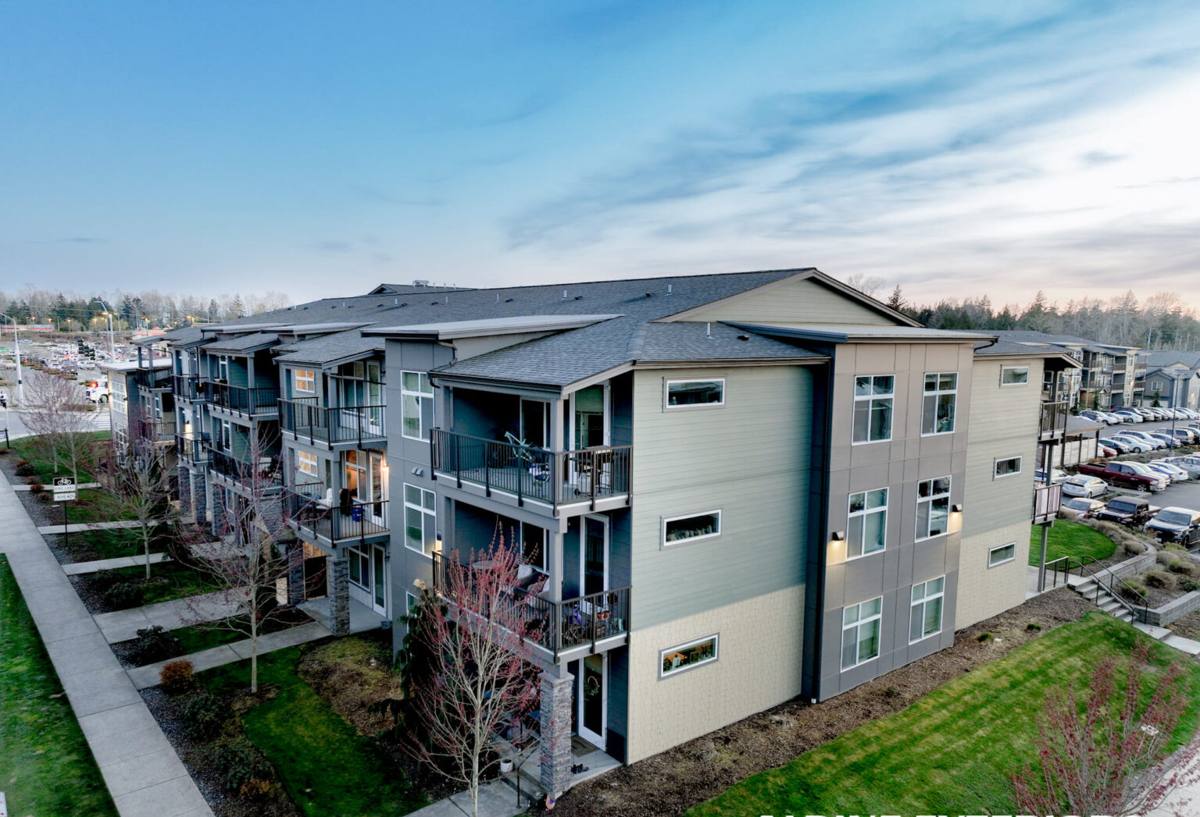
What Tampa Bay Siding Actually Has to Survive
Siding on the west coast of Florida doesn't get a quiet life. A few things stack on top of each other here in ways that don't happen in most of the country:
- Hurricane-force wind loads. Tampa sits in a wind zone where siding has to hold under sustained gusts, not just survive a passing thunderstorm.
- Wind-driven rain. During tropical systems, rain doesn't fall straight down — it's pushed sideways and upward under laps and around trim, which is a very different stress than normal rainfall.
- Near-constant UV exposure. Central Florida gets more high-intensity sun days per year than almost anywhere in the continental U.S., and UV is what breaks down paint film, caulk, and plastics over time.
- Salt air. Even well inland from Tampa Bay itself, coastal humidity carries salt that accelerates corrosion on fasteners and degrades certain finishes faster than a dry climate would.
- Humidity and moisture cycling. Hillsborough County's swing between soaked summers and drier winters puts wood-based and wood-adjacent products through repeated expansion and contraction.
Any one of these is manageable. All five, applied to the same wall assembly year after year, is what actually separates a siding job that looks fine at year three from one that still looks fine at year fifteen.
What Fiber Cement Gets Right That Wood-Based Products Don't
James Hardie siding is fiber cement — a mix of Portland cement, sand, and cellulose fibers, cured into a rigid board. That composition matters more than it sounds like it should, for a few concrete reasons:
It doesn't feed moisture
Wood-based composite siding (like LP SmartSide) uses engineered wood strand with a resin binder and a protective overlay. It performs reasonably well when installation is flawless and maintenance never lapses, but wood fiber is still an organic material — if moisture gets past the surface treatment at a cut edge, fastener hole, or damaged corner, it can wick and swell. Fiber cement has no organic fiber content for moisture to feed on, so it doesn't rot, and it doesn't swell the way wood-based panels can at compromised edges.
It's dimensionally stable
Cement-based board expands and contracts far less than wood or wood composite with temperature and humidity swings. In a climate that goes from humid 95-degree summers to cooler, drier winters, that stability means fewer nail pops, less joint stress, and caulk lines that hold longer.
It's non-combustible
Fiber cement doesn't support flame spread the way wood-based sidings can. That's not a hurricane-specific benefit, but for homeowners thinking about long-term risk and insurance, it's a real difference in material class, not a marketing footnote.
HZ5 Climate Engineering: Built for This Exact Region
One detail most homeowners never hear about: James Hardie doesn't make one product and ship it everywhere. Their HZ5 (HardieZone 5) formulation is specifically engineered for hot, humid, high-moisture climates like ours — it's a different cement formulation than what gets shipped to a dry climate zone. The intent is to resist moisture-related freeze damage isn't the concern here, but humidity-driven degradation is, and HZ5 is formulated with that in mind. Hillsborough County falls squarely in the zone this product line was built for. That's a level of regional engineering most competing siding materials simply don't offer — they're the same board whether it's installed in Tampa or Minneapolis.
ColorPlus Technology vs. Field-Painted Siding
Paint failure is the single most common siding complaint we see on service calls for other products, and it's almost always a UV problem, not a workmanship problem. James Hardie's ColorPlus finish is baked on in a factory setting using a multi-coat, oven-cured process, which produces a bond and UV resistance that field-applied paint — sprayed or brushed on-site, in ambient Florida heat — can't match.
| Factor | Factory-Applied ColorPlus | Field-Painted Siding |
|---|---|---|
| Cure process | Baked on under controlled conditions | Air-dried on-site, weather-dependent |
| UV fade resistance | Backed by product warranty | Varies by paint brand and applicator |
| Color consistency | Uniform across every board | Can vary by batch, coat, and site conditions |
| Repaint interval | Typically well beyond 10-15 years | Often needed within 5-8 years in this climate |
This is one of the more direct reasons our standard exists. We're not interested in installing a product where the finish is the first thing to fail in a Florida sun cycle.
The James Hardie Product Lines We Install
"James Hardie siding" isn't one product — it's a system of pieces designed to work together, which matters for water management and long-term appearance.
| Product | What It's For |
|---|---|
| HardiePlank lap siding | The primary horizontal siding on most homes; multiple profiles and textures |
| HardiePanel vertical siding | Board-and-batten and modern vertical looks, common on accent walls and gables |
| HardieShingle siding | Staggered or straight-edge shingle profile for a coastal or cottage look |
| HardieTrim boards | Corner boards, fascia, and window/door trim engineered to match the field siding |
| HardieSoffit panels | Vented and non-vented soffit for eave and porch ceiling applications |
Using one manufacturer's full system — siding, trim, and soffit — instead of mixing brands avoids mismatched expansion rates, inconsistent finishes, and warranty gaps where one component isn't covered because it isn't part of the same system.
Why We Don't Install Everything Else
To be fair to the products we don't install: LP SmartSide, vinyl, Cemplank, Allura, and natural wood siding all have legitimate use cases and defenders, and none of them are "bad" products in the sense of being defective. Our decision isn't that they fail — it's about trade-offs we've decided aren't worth carrying for our customers in this climate:
- Vinyl siding can deform in high heat, is more vulnerable to wind uplift in named storms unless installed and fastened with extreme care, and its color is baked into the plastic rather than a separate finish, which means fading changes the material itself.
- LP SmartSide and other wood-strand composites perform well with perfect installation and consistent maintenance, but any breach in the surface treatment exposes engineered wood fiber to Florida humidity, and repair at that point is more involved than a fiber cement patch.
- Cemplank and Allura are also fiber cement and structurally comparable in the raw material sense — our reservation there is less about the base product and more about factory finish consistency, regional product engineering, and warranty backing compared to what Hardie offers.
- Primed spruce or cedar requires the most ongoing maintenance of any option — regular repainting, caulk inspection, and vigilance against moisture and pests — which is a real, recurring cost most homeowners underestimate when comparing upfront prices.
We're not going to tell a homeowner one of these products is garbage. We're telling you why we, as the people who'll answer the callback if something goes wrong, chose to specialize in the one system we trust most for this specific climate.
Installation Is Where Most Siding Failures Actually Start
Here's something worth knowing regardless of which product you choose: the majority of siding problems we get called out to inspect aren't material failures — they're installation failures. Fiber cement is not more forgiving of bad installation than any other product; if anything, it's less forgiving because it's rigid and doesn't hide flashing mistakes with flex the way some products do. A correct Hardie installation in Hillsborough County should include:
- Proper clearance between the bottom of the siding and grade, decks, or roof lines to prevent wicking
- Correct nail placement and fastener spacing per Hardie's published installation specs, not "close enough"
- Factory-cut or properly sealed field cuts, since raw cut edges need to be sealed to maintain moisture resistance
- Proper flashing and weather barrier behind the siding, not just caulk at the surface
- Correct joint treatment at butt seams and corners so water sheds outward instead of pooling
- Appropriate fastener material to resist corrosion in our salt-air humidity
A homeowner comparing quotes should ask any contractor — us included — to walk through their specific installation method against these points. If a contractor can't answer in detail, that's a bigger red flag than which brand of siding is on the estimate.
Warranty Structure: What's Actually Backing the Product
James Hardie backs their siding with a non-prorated limited warranty on the substrate, and a separate finish warranty on ColorPlus color retention, both of which are transferable to a new owner if the home sells within the coverage period — something buyers increasingly ask about during inspections. That transferability matters in a market like Tampa's, where homes change hands regularly and a documented, brand-name warranty is a tangible selling point, not just paperwork. Warranty terms and coverage specifics are spelled out by the manufacturer and should be reviewed directly rather than assumed, but the structure itself — a real, transferable, non-prorated warranty from a major manufacturer — is part of why we standardized on this system.
What This Actually Costs
We won't quote a number here that doesn't fit your specific home, but the honest framing is this: James Hardie generally costs more upfront than vinyl and is comparable to or somewhat above other fiber cement brands and wood composite. Where it tends to even out, or come out ahead, is over a 15-20 year ownership horizon once you factor in these variables:
| Cost Factor | What Affects It |
|---|---|
| Upfront material + install | Home size, siding profile, trim complexity, number of stories |
| Repainting | ColorPlus significantly extends the interval versus field-painted products |
| Repair frequency | Storm damage repair and moisture-related repair costs over time |
| Resale impact | Buyer and inspector perception of fiber cement versus vinyl or wood |
| Insurance considerations | Non-combustible, wind-rated materials can factor into some policies |
Every home is different, and the only accurate number comes from an actual measurement and site walk — not a size-of-home rule of thumb.
Getting a Straight Answer for Your Home
If you're planning a siding project in Tampa or elsewhere in Hillsborough County, we're glad to walk your home, measure it properly, and give you a straightforward estimate for James Hardie siding — no pressure, and no pitch for a product we don't stand behind. Use the form below to request a free estimate.