 Tampa Siding
 Why Lutz Homes Need Windows Built for This Climate
Lutz sits inland north of Tampa in Hillsborough County, but "inland" doesn't mean protected. Homes here still take a beating from the same weather cycle that hits the rest of the Tampa Bay area: hurricane-force wind gusts during storm season, intense UV exposure nearly every day of the year, wind-driven rain that finds its way through the smallest gap, and salt-tinged air that drifts in off the Gulf and the Bay even this far from the coastline. Windows are one of the largest openings in a home's exterior envelope, so when they're the wrong product, poorly rated, or installed with shortcuts, they're usually the first thing to fail.
Lutz also has a mixed housing stock — older ranch-style homes on wooded, larger lots alongside newer subdivisions built in the last couple of decades. Each has different window problems, and a correct installation looks a little different depending on what's already in the wall.
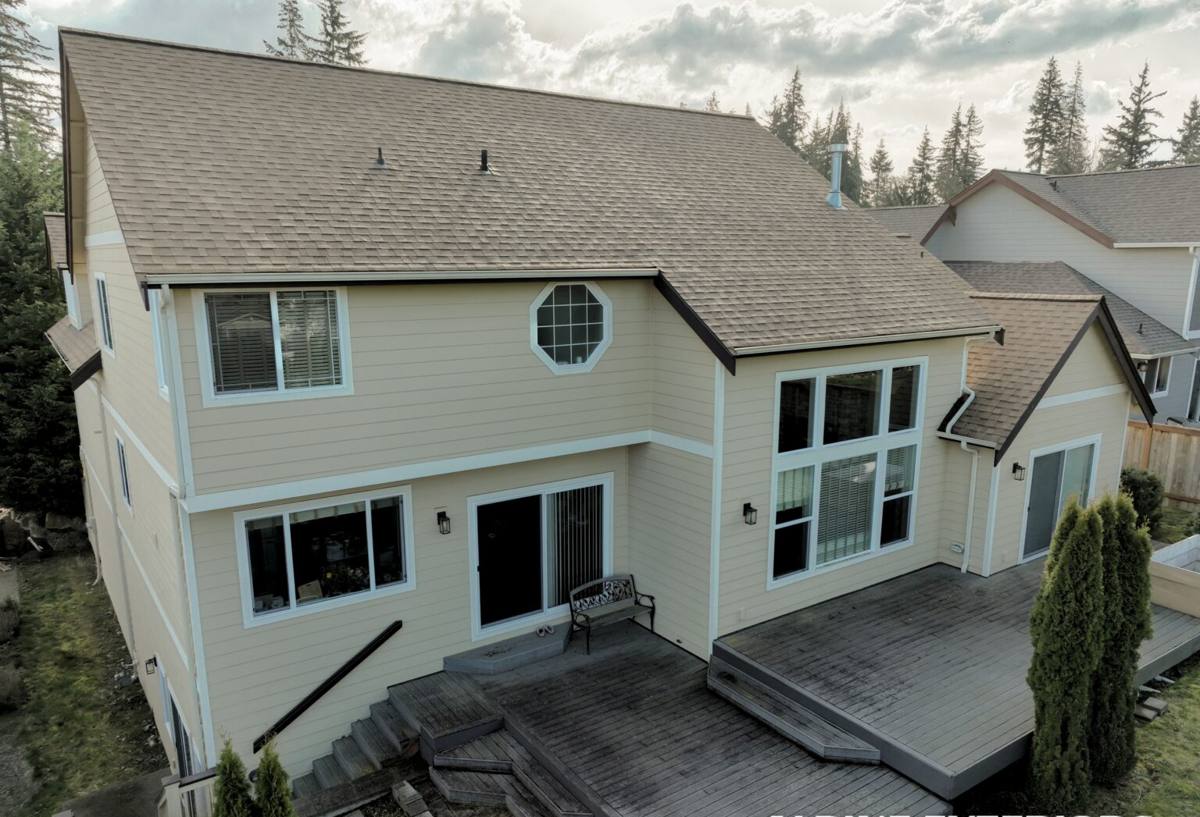
What a Correct Window Installation Actually Involves Here
Anywhere in Hillsborough County, replacement windows have to meet Florida Building Code wind load requirements for the address's wind zone. That means the window itself needs a documented design pressure (DP) rating suited to the home's exposure, and the installation has to be permitted and inspected — not just caulked into the old opening. A window can carry a great rating on paper and still fail in a storm if it's not fastened, flashed, and sealed correctly for that specific rating.
The Details That Actually Matter
- Florida product approval documentation matched to the window model actually being installed, not a generic spec sheet
- Correct fastener type, spacing, and embedment into structural framing — not just into the stucco or trim
- Proper flashing and a drainage path so any water that gets past the exterior seal has somewhere to go besides your wall cavity
- Permit pulled and inspection passed, which also protects you at resale and with insurance
Skipping any one of these doesn't show up on day one. It shows up two or three years later as a soft spot under a windowsill, a musty smell in a closet on an exterior wall, or a window that leaked during the first serious wind-driven rain event it faced.
Matching the Window to Lutz's Housing Stock
A lot of the older homes in and around Lutz were built with builder-grade aluminum single-hung windows. Those units have usually outlived their seals — the glass may still look fine, but the weep systems and weatherstripping are long past useful life, and aluminum frames don't insulate well against Florida's daily temperature swings between blazing afternoon sun and air-conditioned interiors. Newer construction in the area tends to have better baseline windows, but "builder-grade" still means the minimum the code allowed, not necessarily the best long-term choice for a home that's going to sit through another twenty hurricane seasons.
Two Ways We Approach a Replacement
If the existing frame is square, dry, and structurally sound, an insert (or "pocket") replacement fits a new window into the existing frame — faster, less disruptive to interior trim and exterior stucco. If there's wood rot, water staining, or the frame has shifted, a full-frame replacement is the honest answer. It costs more in labor because it involves removing trim and inspecting the surrounding structure, but installing a new window into a compromised opening just means you're covering up a problem instead of fixing it. We tell you which situation you're in before we quote the job, not after we've already started.
Comparing Frame Materials for This Climate
| Frame Material | Heat/UV Performance | Wind Performance | Maintenance | Typical Lifespan |
|---|---|---|---|---|
| Vinyl | Good insulator; quality UV-stabilized vinyl resists yellowing and warping | Strong when reinforced for high wind-load ratings | Low — no painting, occasional cleaning | 20-30+ years |
| Aluminum | Conducts heat readily; can feel hot to the touch and contributes to condensation | Strong structurally, especially with reinforced frames | Low, but coastal-influenced air can affect finishes over time | 20-25 years, finish-dependent |
| Fiberglass | Excellent — very stable in heat, minimal expansion/contraction | Very strong, dimensionally stable under load | Low; paintable if you want a color change later | 30-40+ years |
There's no single "best" material for every house — it depends on your budget, your home's architecture, and how long you plan to stay in it. What we won't do is install a frame material that isn't rated and reinforced for the wind exposure your address actually carries, regardless of what it costs less to stock.
Impact-Rated Glass vs. Standard Glass with Shutters
You've got two legitimate paths to meeting Florida's wind-borne debris protection requirements: impact-rated windows, or standard windows paired with code-compliant shutters or panels you install before a storm. Impact glass costs more up front but means one less thing to manage when a storm is bearing down — no scrambling to put up panels, and it also cuts down on outside noise and daily UV transmission year-round. Shutters cost less initially but require that you actually deploy them every time, and they don't do anything for you on a random Tuesday afternoon when the sun is baking the west side of the house.
Our standard practice is to walk you through both honestly, including the real trade-off: impact glass is heavier, which means the sash and frame hardware need to be built to handle that weight over years of daily use, not just installed like a lighter standard unit. A window that isn't matched properly between glass weight and hardware will start sagging or sticking well before the glass itself is the problem.
Our Installation Process
- On-site assessment and measurement — we check existing frame condition, orientation, sun exposure, and current water intrusion signs before recommending anything.
- Product selection — we go over frame material, glass package, and wind rating options based on what your specific openings need.
- Permitting — we pull the Hillsborough County permit and handle the paperwork so the job is documented and inspectable.
- Removal and structural check — old windows come out, and we inspect the framing and sheathing underneath before anything new goes in.
- Installation, flashing, and sealing — windows are set, fastened to the manufacturer and code-required schedule, flashed for drainage, and sealed.
- Final inspection and walkthrough — we pass county inspection and walk the finished openings with you before calling the job done.
Signs Your Current Windows Need Attention
- Fogging or moisture between panes of double-glazed units — a sign the seal has failed
- Windows that are difficult to open, close, or lock, or that have started sagging in the frame
- Visible daylight, drafts, or a whistling sound around the frame during windy conditions
- Soft or discolored drywall, trim, or sill area near a window after heavy rain
- Chalky, pitted, or clouded aluminum or vinyl frames from years of UV exposure
- Noticeably higher cooling bills in rooms with older or single-pane windows
Any one of these on its own might not mean a full replacement is urgent, but two or three together — especially combined with a home over 20 years old — usually means the windows are costing you more in energy and repair risk than a replacement would.
What Affects the Cost of a Window Project
| Factor | Why It Matters |
|---|---|
| Number and size of openings | More material and labor per unit; larger openings need heavier structural support |
| Frame material chosen | Vinyl, aluminum, and fiberglass carry different material and reinforcement costs |
| Impact rating vs. standard glass with shutters | Impact glass and reinforced hardware cost more upfront but reduce ongoing storm-prep labor |
| Condition of existing framing | Rot or water damage found during removal adds repair scope beyond the window itself |
| Insert vs. full-frame replacement | Full-frame work involves more trim, stucco, and finish labor |
We give straightforward, itemized estimates so you can see exactly what's driving the number — not a flat per-window price that hides what you're actually paying for.
Why Hiring a Crew That Already Works in Lutz Matters
A contractor who regularly works in this part of Hillsborough County already knows the local permitting process, has a working relationship with the inspectors who'll be signing off on your job, and has seen the specific problems that show up in Lutz's mix of older ranch homes and newer builds — things like which decades of construction tend to have rotted sill plates, or which subdivisions have HOA guidelines on exterior appearance that affect frame color and grid pattern choices. That familiarity means fewer surprises mid-project and a permit and inspection process that moves without unnecessary delays. It also means someone who understands that "inland from the coast" doesn't mean the wind rating requirements or the UV exposure are any less real — because we see the results of both on local homes every week.
If your windows are original to the house, showing wear, or you're just tired of guessing whether they'll hold up through another storm season, we're happy to take a look and give you a straight answer. Reach out for a free, no-pressure estimate using the form below.