 Tampa Siding
 Asphalt Shingle Roofing in Clearwater: What Local Homes Are Actually Up Against
Clearwater roofs live a harder life than roofs in most parts of the country. Between hurricane-season wind events, near-constant UV exposure, wind-driven rain that gets pushed sideways into every gap, and the salt air that drifts in off the Gulf and Tampa Bay, an asphalt shingle roof here is under attack from four directions at once. A shingle system that would last 25 years in a mild inland climate can wear out faster in Clearwater if it wasn't specified and installed with these conditions in mind.
This page covers what a correct asphalt shingle roofing job looks like for a Clearwater-area home, what the local climate actually does to shingle roofs over time, and how our crew approaches these jobs after years of working in this specific part of the Tampa Bay region.
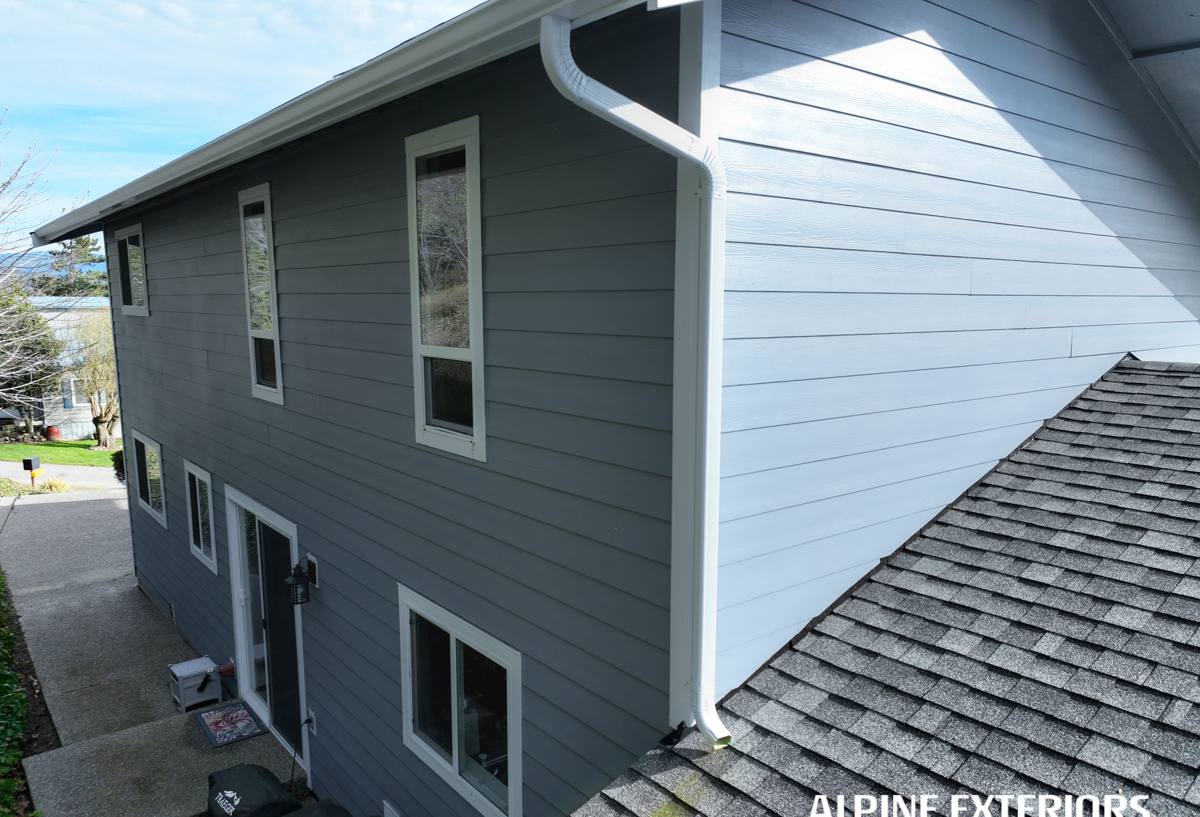
How the Local Climate Wears Down a Shingle Roof
Wind and Uplift
Florida's building code has raised wind-load requirements over the years for good reason. Shingles fail most often not because the shingle material itself is bad, but because of weak points: poor nailing patterns, missed nail lines, inadequate sealant strip activation, or starter strips that were skipped or installed backwards. In a wind event, the first shingles to go are almost always the ones with a fastening or sealing shortcut somewhere underneath.
UV and Heat Cycling
Florida sun is relentless year-round, not seasonal. UV breaks down the asphalt binders in shingles over time, and the daily heat-up/cool-down cycle (a roof deck can swing 60-80°F between night and midday) causes granules to loosen and shingles to become brittle faster than in cooler climates. This is one reason shingle warranties written for a national average don't always reflect what actually happens on a Florida roof.
Wind-Driven Rain
Rain that comes in sideways during a storm doesn't behave like rain falling straight down. It gets forced up under shingle tabs, into exposed nail heads, and along ridge and valley transitions that aren't properly sealed. This is why underlayment choice and flashing details matter more here than in drier climates — the shingle is only the outer layer, not the whole waterproofing system.
Salt Air
Clearwater's proximity to the Gulf and the bay means airborne salt settles on roofing metal — flashing, drip edge, nail heads, vent stacks — and accelerates corrosion. Once flashing or fasteners start to corrode, they stop doing their job long before the shingles themselves wear out, which is a common reason a roof leaks even though the shingles still look fine from the ground.
What a Correct Shingle Roof Involves Here
A shingle roof is a system, not just a layer of shingles nailed to plywood. In this climate, every layer matters:
- Roof deck inspection and repair — soft, delaminated, or water-stained decking gets replaced before anything goes back on, not covered over.
- Underlayment — a synthetic or self-adhering underlayment rated for wind-driven rain, with attention to lap direction and fastening pattern.
- Starter strips — installed correctly at eaves and rakes so the first course has proper adhesive contact; this is one of the most commonly skipped details on rushed jobs.
- Nailing pattern — correct nail count and placement per manufacturer spec and Florida code, not the minimum that happens to hold.
- Flashing — corrosion-resistant metal at valleys, walls, chimneys, and any roof penetration, sealed and lapped to shed water correctly.
- Ventilation — balanced intake and exhaust ventilation to reduce attic heat buildup and moisture, which extends shingle life and helps with energy costs.
- Sealant strip activation — shingles rely on heat to bond the sealant strips together; timing and technique affect how well that bond forms.
Choosing the Right Shingle for a Clearwater Roof
Not every asphalt shingle product is built the same way, and the differences matter more in a high-wind, high-UV coastal climate than they would inland.
| Factor | What to Look For Locally | Why It Matters Here |
|---|---|---|
| Wind rating | Higher wind-rated architectural shingles, properly rated for Florida's wind zones | Uplift resistance is the single biggest failure point in storms |
| Shingle type | Laminated/architectural over basic 3-tab | Thicker, heavier profile resists wind and impact better |
| Granule quality | Ceramic-coated granules with good UV reflectivity | Slows granule loss and heat absorption under constant sun |
| Sealant strip design | Wide, factory-tested sealant strips | Stronger bond between courses under wind load |
| Algae resistance | Algae-resistant (AR) granule treatment | Gulf humidity promotes streaking and algae growth |
| Warranty structure | Understand wind-speed warranty limits, not just "lifetime" claims | Many warranties reduce or void coverage above certain wind speeds unless installation specs were followed exactly |
We walk homeowners through these trade-offs honestly. A higher-tier shingle costs more upfront, but on a coastal Tampa Bay roof, the wind rating and warranty terms often matter more than the color or brand name.
Our Process for a Clearwater Shingle Roof
1. Inspection and Documentation
We start with a full roof and attic inspection — deck condition, existing ventilation, flashing points, and any signs of prior leaks or repairs. We document what we find so the homeowner sees exactly what's being replaced and why, not just a quote.
2. Tear-Off and Deck Check
Old material comes off down to the deck. This is the only point where hidden rot, prior water damage, or under-spec sheathing can be found and fixed — covering over a compromised deck is how "new" roofs fail early.
3. Underlayment and Flashing
We install underlayment and flashing rated for this climate's wind-driven rain, paying particular attention to valleys, wall transitions, and penetrations — the spots that cause the majority of shingle roof leaks.
4. Shingle Installation
Shingles go down with the manufacturer's specified nailing pattern and starter course details, matched to the wind rating the homeowner chose. This is where installation quality determines whether a shingle's rated wind resistance is actually achieved in the field.
5. Ventilation and Final Details
We check that intake and exhaust ventilation are balanced, install ridge caps and any remaining trim, and do a final walk-through with the homeowner.
6. Cleanup and Final Inspection
Full site cleanup, magnetic sweep for stray nails, and a final quality check before we consider the job done.
Why a Local Crew Matters for This Job
Asphalt shingle roofing isn't exotic work, but doing it correctly in Clearwater's specific conditions is different from doing it in a drier, calmer climate. A crew that regularly works this part of Tampa Bay already knows:
- Which flashing and fastener grades hold up against salt air instead of corroding within a few seasons
- What wind ratings actually make sense for this area versus what's minimally required
- How local permitting and inspection processes work, so the job isn't delayed by paperwork surprises
- Common trouble spots on the housing stock typical to this part of Florida — roof pitches, deck materials, and age of construction
- How to schedule around Florida's rainy season and hurricane season to reduce weather delays and protect an open roof
A crew that doesn't work this area regularly can still install a shingle roof, but they're more likely to default to generic specs rather than what actually holds up against Gulf-facing wind and salt exposure.
Maintenance That Actually Extends Roof Life Here
A correctly installed shingle roof still needs basic upkeep in this climate:
- Keep gutters and valleys clear of debris so water doesn't pool or back up under shingles
- Have the roof checked after any major named storm, even if there's no visible damage from the ground
- Watch for granule buildup in gutters, which signals accelerated shingle wear
- Trim back overhanging branches that trap moisture or drop debris onto the roof surface
- Address small flashing or sealant issues promptly — in this climate, small leaks become deck damage quickly
What Homeowners Should Ask Before Hiring Anyone
Whether or not you go with us, ask any contractor bidding a Clearwater shingle roof these questions before signing anything:
- What wind rating is the proposed shingle system actually rated for, and does the installation method match the manufacturer's requirements to keep that rating valid?
- Will the roof deck be inspected and repaired as needed, or just covered over?
- What underlayment and flashing materials are included, and are they suited to coastal, wind-driven rain conditions?
- Is the crew doing the work local to the Tampa Bay area, or subcontracted from elsewhere with no ongoing presence here?
- What does the warranty actually cover, and are there wind-speed exclusions or installation requirements that could void it?
Getting an Honest Estimate
Every roof is different, and the right shingle system, underlayment, and ventilation setup depends on your home's age, deck condition, and how it's held up through past storm seasons. If you're in Clearwater or the surrounding Tampa Bay area and want a straight answer about your roof's condition and what it would take to do the job right, we're happy to take a look. Fill out the form below for a free, no-pressure estimate — we'll tell you what we actually see, not just what's easiest to sell.