 Tampa Siding
 Why Board & Batten Works So Well in Temple Terrace
Board and batten has a long history in Florida residential architecture, and it's a natural fit for the tree-lined, established neighborhoods around Temple Terrace. The style — wide vertical boards with narrow battens covering the seams — reads as clean and substantial, whether it's used as a full exterior, a gable accent, or a feature wall on a front elevation. Many Temple Terrace homes carry Mediterranean Revival or Florida vernacular influences, and board and batten complements both: the vertical lines add height and character without competing with stucco, brick, or existing trim details.
That said, board and batten is not a "set it and forget it" siding choice in this part of Florida. The vertical boards create more seams and more exposed edge grain than horizontal lap siding, and every one of those seams is a potential entry point for water if the material or the installation is wrong for the climate. Getting board and batten right here means starting with a material built for Gulf Coast conditions and installing it the way manufacturers actually engineer it to be installed — not the way it might get done in a drier, calmer climate.
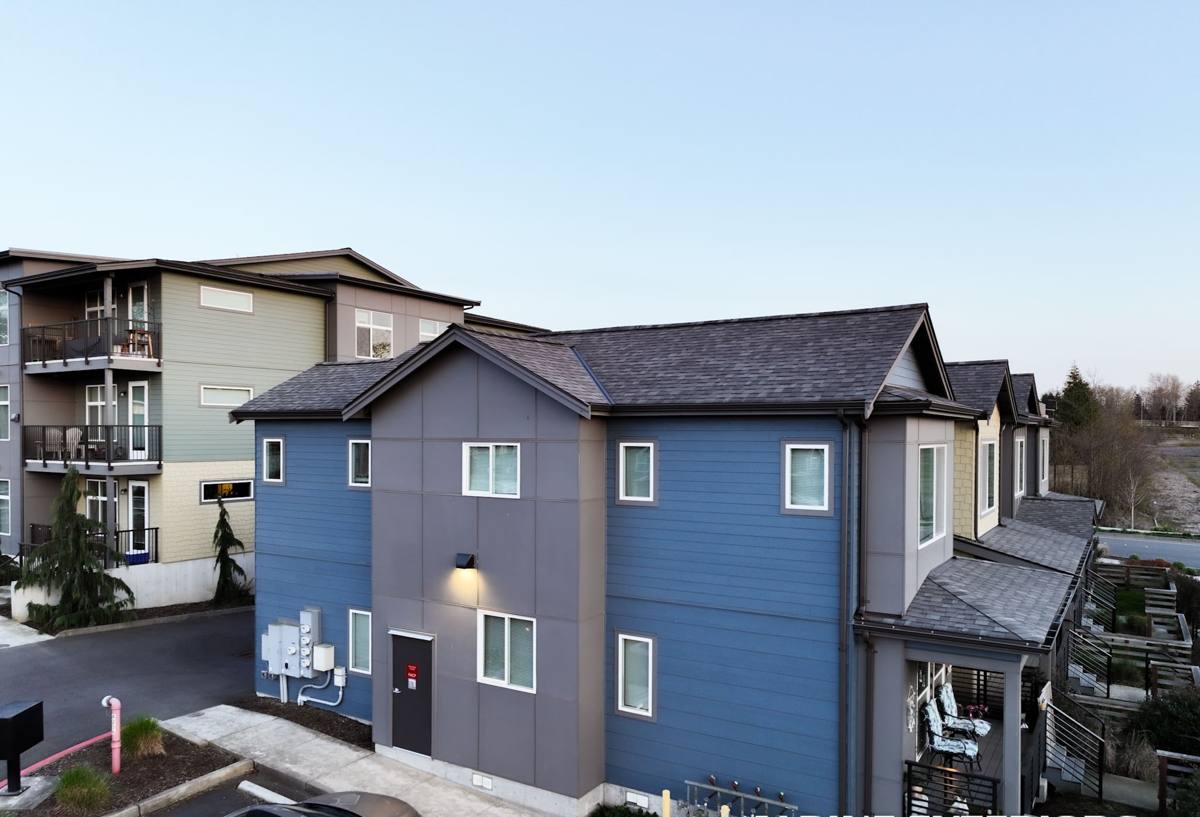
What Tampa-Area Climate Does to Board & Batten Siding
Heat and UV
Temple Terrace sees intense, nearly year-round sun. On siding, constant UV exposure breaks down pigments and resins over time, which is why field-painted wood and some engineered wood products chalk, fade, and need repainting well before their structural life is up. It also drives daily expansion and contraction — boards heat up fast in direct sun and cool quickly in afternoon storms, and materials that don't handle that cycling well eventually cup, crack, or pull away from their fasteners at the seams.
Wind-Driven Rain
Hillsborough County's rainy season brings rain that doesn't just fall — it's pushed sideways into the wall by the wind. Board and batten's vertical seams are more exposed to wind-driven rain than a horizontal lap profile, so the weather-resistive barrier behind the siding, the flashing details, and the sealant at every joint matter more here than they would on a drier-climate home. A board and batten job that looks fine on day one but skipped these details can trap moisture behind the boards for months before anyone notices a problem.
Hurricane-Force Wind
Temple Terrace sits within Florida's high-wind design requirements, and siding here has to be fastened to hold up under storm-force gusts, not just everyday breeze. Fastener type, fastener spacing, and batten attachment all have to match the wind-load engineering for the product — a generic nailing pattern pulled from a national install guide isn't automatically correct for this wind zone.
Salt Air
Temple Terrace is inland relative to the immediate coast, but Tampa Bay's salt air still reaches homes across the region, accelerating corrosion on fasteners, hardware, and trim. Corrosion-resistant fasteners and hardware aren't optional extras here — they're part of doing the job so it lasts.
Comparing Board & Batten Materials for This Climate
Board and batten can be built from several different materials, and the material matters as much as the installation. Here's how the common options hold up under Tampa-area conditions:
| Material | Moisture & Rot Resistance | Termite Resistance | Wind/Impact Durability | Typical Maintenance |
|---|---|---|---|---|
| Solid wood (pine, cedar) | Poor to fair — absorbs moisture, prone to swelling and rot at seams | Vulnerable without ongoing treatment | Fair; splits and cracks under repeated stress | Repaint/reseal every 3-5 years |
| Engineered wood (OSB-based) | Fair — resin-treated, but edge exposure to moisture is still a weak point | Improved but not immune | Good, but installation sensitive | Repaint on manufacturer schedule; monitor cut edges |
| Vinyl | Good against rot, but not a water-management system itself | Not a food source, but doesn't stop pest entry behind it | Can crack, warp, or blow off in high wind; not rated for board and batten profiles in every wind zone | Low, but limited repair options if damaged or faded |
| James Hardie fiber cement | Excellent — non-combustible, engineered against moisture-driven damage | Not a food source for termites | Engineered and tested for high-wind regions | Low; factory finish holds color for years |
We install James Hardie fiber cement exclusively, using HardiePanel vertical siding with HardieTrim battens (or the Artisan Collection where a more refined reveal is wanted), finished in Hardie's ColorPlus factory finish. It's engineered in an HZ5 formulation for the Southeast's heat, humidity, and storm exposure, which is the reason we standardized on it rather than the wood, engineered wood, or vinyl alternatives above.
What a Correct Board & Batten Installation Involves
Prep and Moisture Management
Before a single board goes up, the wall needs a continuous weather-resistive barrier with properly lapped and taped seams, correct flashing at every window, door, and roof intersection, and a drainage plane that lets any incidental moisture escape instead of pooling behind the siding. This is the step that's invisible once the job is done — and the step that determines whether the siding lasts 30 years or fails from behind in five.
Fastening for Wind Zones
Fastener type, length, and spacing have to match both the manufacturer's wind-zone requirements and the substrate they're going into. Battens need to be fastened independently where the profile calls for it, not just nailed through into the panel, so the assembly performs the way it's engineered to under wind load.
Joints, Trim, and Finish
Every board and batten job has butt joints, corners, and terminations at the roofline and foundation. These need factory-mitered or properly flashed details and the correct sealant — not a bead of caulk asked to do a flashing detail's job. Because we use ColorPlus factory-finished product, field touch-up is limited to what the manufacturer specifies, which keeps color consistent instead of relying on field paint to carry the finish long-term.
A correct board and batten installation should include:
- A continuous, properly lapped weather-resistive barrier behind the siding
- Correct flashing at all windows, doors, roof-to-wall intersections, and penetrations
- Manufacturer-specified fastener type, length, and spacing for our wind zone
- Proper clearance between the siding's bottom edge and grade, roofing, and decking
- Batten spacing and attachment that matches the engineered assembly, not just an even visual reveal
- Sealant only where the manufacturer calls for it — not as a substitute for flashing
- Factory-finished color (ColorPlus) rather than field-applied paint as the primary finish
- A final walk-through covering caulking, paint touch-up limits, and warranty registration
Our Process for Temple Terrace Homes
- On-site assessment. We look at the existing siding or exterior, check for moisture or structural issues at sheathing level, and measure for material.
- Scope and product selection. We confirm board width, batten spacing, and color, and account for any HOA or architectural guidelines common in established Temple Terrace neighborhoods.
- Tear-off and inspection. Old siding comes off and the sheathing underneath gets inspected — this is often the only chance to catch hidden rot or moisture damage before it's sealed back up.
- Weather barrier and flashing. We install the water-management layer before anything else goes on the wall.
- Board, batten, and trim installation. Panels and battens go up to manufacturer wind-zone specifications, with corners and terminations detailed correctly.
- Final finish and walk-through. We handle any manufacturer-approved touch-up, clean the site, and walk the homeowner through warranty registration and basic care.
What Affects the Cost of Board & Batten Siding
Board and batten pricing varies by project, but the main cost drivers are consistent from house to house:
| Factor | Why It Matters |
|---|---|
| Total square footage | Full-exterior jobs cost more than an accent wall or gable feature but bring a lower cost per square foot |
| Tear-off of existing siding | Removing and disposing of old material adds labor beyond a straightforward install |
| Sheathing or framing repairs | Rot or moisture damage found during tear-off has to be repaired before new siding goes on |
| Board width and batten spacing | Wider reveals use less material but require more precise layout; narrower spacing uses more boards and battens |
| Trim and corner detail | Custom corner treatments and transitions to other materials add labor |
| Home height and access | Two-story walls, steep rooflines, or tight lot lines increase equipment and labor time |
| Color | Standard ColorPlus colors are typically more cost-efficient than custom-matched finishes |
Why a Crew That Already Works Temple Terrace Matters
Board and batten installed to spec in a mild climate can still fail here if it's installed by a crew unfamiliar with Hillsborough County wind-load requirements, local permitting, or how Florida's rain and humidity actually behave against a wall. A crew that regularly works in Temple Terrace already knows the wind-zone fastening requirements for this area, has a working relationship with local permitting, and has seen firsthand what happens when moisture management gets skipped on a Gulf Coast exterior. That local repetition is what turns a correct installation from a one-time checklist into a habit.
It also matters for accountability. A local crew is easy to reach for a warranty question or a follow-up visit, and has a reputation in the area worth protecting — which shows up in how carefully the flashing and fastening get done the first time.
Caring for Board & Batten Siding After Installation
James Hardie board and batten needs little upkeep, but a bit of regular attention keeps it performing:
- Rinse the exterior periodically to clear pollen, salt residue, and organic buildup
- Inspect caulking at joints and trim annually and re-seal if it's cracked or pulled away
- Keep sprinklers and irrigation from spraying directly on the siding long-term
- Trim back landscaping so boards and battens can dry fully after rain
- Address any impact damage promptly so the weather barrier behind it stays protected
If you're weighing board and batten for a Temple Terrace home, we're happy to walk the exterior with you, talk through width, spacing, and color options, and give you a straightforward, no-pressure estimate. There's a form below to get that conversation started.