 Tampa Siding
 Board & Batten Siding in Brandon: Built for Hillsborough County Weather
Brandon sits far enough inland from Tampa Bay that homeowners sometimes assume the coastal weather rules don't apply to them. They do. Brandon still sits inside Hillsborough County's wind-borne debris region, still takes the full brunt of Gulf-fed thunderstorms rolling east off the bay, and still bakes under the same relentless Florida UV load as anywhere else in the Tampa metro. The difference in Brandon is more about home style than climate severity — this is a neighborhood with a lot of newer construction, farmhouse-influenced elevations, and a strong appetite for board and batten as an accent or full-facade look. That style choice comes with its own set of installation requirements that a lot of siding crews get wrong, especially when they're used to installing lap siding and treat board and batten as an afterthought.
We install board and batten siding in Brandon regularly, and we approach it as its own discipline — different fastening pattern, different moisture management, different attention to vertical joints — not a variation on horizontal lap work.
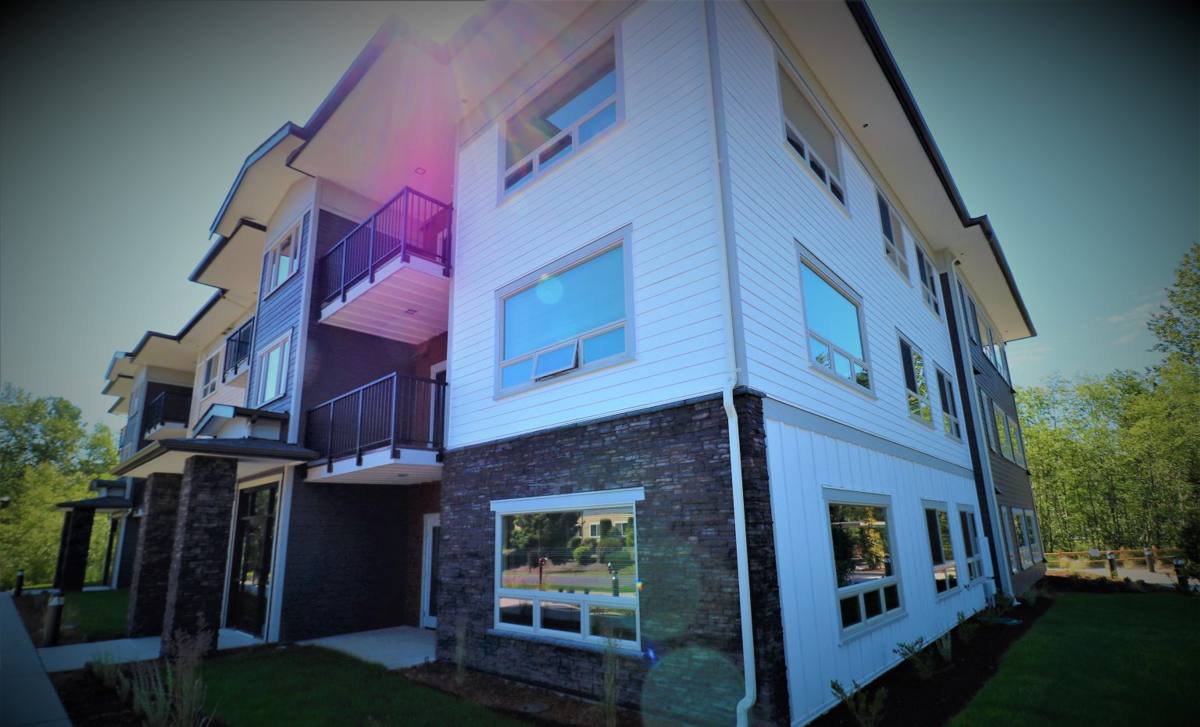
Why Board & Batten Needs to Be Engineered for This Climate, Not Just Installed
Board and batten is a vertical siding profile: wide boards (or panels) with narrower battens covering the seams between them. It's a classic look that's seeing a big resurgence on modern farmhouse and craftsman-style homes throughout Brandon and the rest of the Tampa suburbs. Done right, it's a durable, attractive system. Done wrong, the vertical seams and batten strips become exactly the kind of detail that lets wind-driven rain work its way behind the siding.
The Three Climate Factors That Matter Most Here
- Hurricane-force wind exposure: Brandon is inland, but it's still squarely in the path of tropical systems moving through the Tampa Bay area. Wind uplift on vertical siding profiles concentrates at the fastener points and batten edges, so fastening schedule and embedment matter more here than on a calm-climate installation.
- Wind-driven rain: Florida storms rarely fall straight down. Rain gets pushed sideways into vertical seams, and board and batten has more vertical seam length per square foot than lap siding. Every one of those seams needs to be detailed correctly or it becomes a water path.
- Year-round UV intensity: Tampa gets some of the most consistent, high-angle sun exposure in the continental U.S. Paint and factory finishes that hold up fine in milder climates chalk, fade, and crack faster here — which is a big part of why we don't install unfinished or site-primed wood products in this market.
What a Correct Board & Batten Job Actually Involves
A lot of the failures we get called out to inspect in Brandon and nearby parts of Hillsborough County trace back to a handful of shortcuts. None of them are visible on install day — they show up two, five, or ten years later as staining, soft spots, or paint failure at the seams.
Water Management Behind the Siding
Board and batten needs a drainable water-resistive barrier and correctly lapped flashing at every horizontal transition — window heads, band boards, roof-to-wall intersections. The vertical battens themselves need to be fastened in a way that doesn't just nail through the gap and into the wall assembly randomly; fastener placement has to land in the field of the board behind it, not just the batten, or you're creating a loose strip that flexes in wind and works fasteners loose over time.
Fastening for Wind Load
Hillsborough County's building code requires siding installations to meet specific wind-load and fastening requirements tied to the area's wind speed zone. That's not a box to check after the fact — it determines fastener type, spacing, and embedment depth from the start of the layout. A crew that treats this as a formality rather than a structural requirement is the crew whose siding you see peeling off in a strip after a summer storm.
Expansion Gaps and Caulking
Fiber cement moves slightly with temperature and humidity swings. Every board and batten installation needs correct expansion gaps at trim and butt joints, filled with a high-quality, paintable, flexible sealant — not just caulked shut tight with no room to move. Get this wrong and you get cracked caulk lines within a year or two, which then become the entry point for the very moisture problems the siding was supposed to prevent.
Our Process for a Brandon Board & Batten Project
| Stage | What Happens | Why It Matters Locally |
|---|---|---|
| On-site assessment | We inspect existing siding, sheathing condition, and moisture history | Brandon's mix of older and newer builds means substrate condition varies a lot house to house |
| Layout & material plan | Board width, batten spacing, and trim details are mapped to the home's elevation | Board and batten reads differently on a single-story ranch than a two-story farmhouse elevation |
| Water barrier & flashing | Drainable WRB installed with correctly lapped flashing at all penetrations | This is the layer that actually stops wind-driven rain intrusion |
| Fastening to wind-zone spec | Fastener type, spacing, and embedment set to Hillsborough County code requirements | Under-fastened board and batten is one of the most common storm-damage failure points we see |
| Finish & sealant detailing | Expansion gaps set, joints sealed with flexible sealant, factory-finished boards installed | Keeps seams watertight through years of thermal movement and sun exposure |
| Final walkthrough | We walk the job with the homeowner and point out what to look for down the road | Gives you a baseline for what "normal" looks like versus a future problem |
Why We Install Only James Hardie for This Application
Board and batten is a profile where product choice matters more than usual, because of how much seam length is exposed to weather. We standardized on James Hardie fiber cement for every project we do, including in Brandon, for reasons that are specific to how this siding performs over time:
- Non-combustible material: Fiber cement doesn't contribute fuel to a fire the way wood-based products can — a meaningful factor for insurance and long-term peace of mind.
- Engineered for humid, high-UV climates: Hardie's HZ5 product line is specifically formulated for the moisture and heat conditions found in the Gulf Coast region, including the Tampa area.
- ColorPlus factory finish: A baked-on finish applied under controlled conditions holds color and resists fading far longer than field-applied paint, which matters enormously under Florida's UV load.
- Dimensional stability: Fiber cement expands and contracts far less than wood-based alternatives, which keeps those critical expansion joints and seams performing correctly for years instead of failing early.
- Transferable warranty backed by a large, established manufacturer: That matters to future buyers if you sell the home, and it matters to us as installers — a warranty is only as good as the installation behind it.
We don't install LP SmartSide, vinyl, Cemplank, Allura, or unfinished wood siding. Each of those has legitimate uses in the right context, but for the way Brandon homes take on wind, rain, and sun year-round, we've made Hardie our standard and we stand behind that installation with our own workmanship.
Signs Existing Board & Batten Siding Is Failing
If you already have board and batten siding on a Brandon home — wood, older fiber cement, or another material — these are the warning signs worth acting on before they turn into a bigger repair:
- Soft or spongy spots when you press on the boards, especially near the bottom courses
- Paint that's peeling, bubbling, or chalking heavily along seams and battens
- Visible gaps or cracked caulk lines at butt joints and trim
- Staining or dark streaking running down from batten seams after rain
- Battens that flex or feel loose when pushed
- Any musty smell along interior walls that back up to exterior board and batten sections
Why a Crew That Already Works Brandon Matters
Siding installation quality comes down to details that are invisible once the job is finished — flashing laps, fastener placement, expansion gaps. A crew that's already worked in Brandon and the surrounding parts of Hillsborough County has a working understanding of the local wind-zone fastening requirements, the permitting process with the county, and the kind of substrate conditions common to the area's housing stock. That's not something you can fully substitute with a generic installation crew working from a national playbook, especially on a profile like board and batten where the seam detailing is unforgiving of shortcuts.
There's also a practical service-life argument. Because we work this area consistently, we're not a one-time out-of-town crew that's hard to reach if a warranty question comes up in year three or a storm damages a section in year seven. Local, ongoing presence is part of what makes the warranty on a Hardie installation actually mean something in practice.
What to Expect Cost-Wise
Board and batten pricing depends heavily on home size, existing siding removal, substrate repair needs, and how much trim and corner detailing the elevation calls for. Full-facade board and batten generally costs more than lap siding per square foot because of the additional batten material and labor-intensive seam work. We won't quote a number without seeing the home, but we're glad to walk through the cost factors that apply to your specific project during a free estimate.
If your Brandon home needs new siding, a full replacement, or you're evaluating whether an existing board and batten installation was done correctly, we're happy to come take a look. The estimate is free, there's no pressure, and you'll get a straight answer about what your home actually needs.