 Tampa Siding
 The Sun, Salt, and Storms Take a Real Toll on Clearwater's Windows
Homes along this stretch of the Gulf Coast deal with a combination of stress that most window manufacturers didn't design for a generation ago. Near-constant, intense UV exposure breaks down vinyl, degrades seals, and yellows or chalks weaker frame materials faster than it would in a milder climate. Salt-laden air moving in off the Gulf and the Intracoastal corrodes hardware, hinges, and metal components years before they'd wear out elsewhere. Add wind-driven rain during the summer storm pattern and the real threat of hurricane-force wind during storm season, and you've got a climate that finds every weak point in a window system — the seal, the flashing, the frame material, all of it.
If your windows are original to an older home, or were installed with builder-grade materials, there's a good chance they're already working against you: higher air conditioning bills, fading interior finishes, and in some cases slow water intrusion you haven't noticed yet. Replacing them correctly isn't just a comfort upgrade in a climate like this — it's protecting the rest of the house.
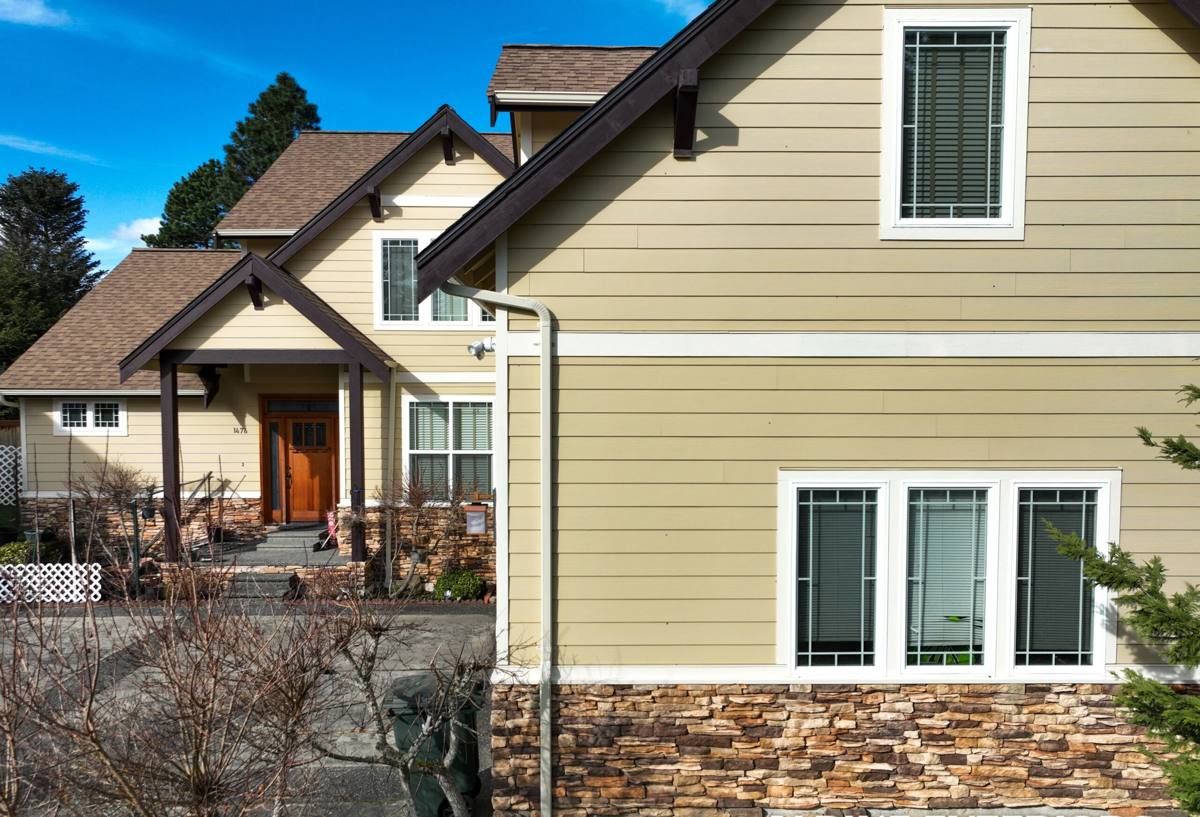
What "Energy-Efficient" Actually Means
The term gets used loosely, but a genuinely energy-efficient window is one that's been tested and rated on a specific set of numbers, not just marketed with the phrase. The ones that matter most for a Florida home are:
- U-factor — how much heat transfers through the window. Lower is better in any climate.
- Solar Heat Gain Coefficient (SHGC) — how much solar heat passes through the glass into the house. This is the number that matters most here.
- Low-E coatings — a microscopically thin coating that reflects infrared heat while still letting visible light through.
- Gas fill and multi-chamber frames — argon-filled insulated glass units and multi-chamber vinyl or fiberglass frames cut down on conductive heat transfer.
Every legitimate window carries an NFRC (National Fenestration Rating Council) label listing these numbers. If a quote doesn't include them, ask for the label — it's the only way to actually compare two products apples-to-apples.
Why SHGC Matters More Here Than It Does Up North
In a cold climate, the priority is keeping heat inside the house, so U-factor gets most of the attention. In Clearwater, the job is almost the opposite: keeping the sun's heat from ever getting into the house in the first place, because your air conditioner is running most of the year, not your furnace. A window with a low SHGC rating can noticeably cut down on how hard your AC has to work, especially on west- and south-facing exposures that take the brunt of the afternoon sun.
Impact Rating Is a Separate Question From Efficiency
Impact resistance and energy efficiency are tested and rated separately, and it's worth understanding the difference. Impact-rated glass is laminated and tested against wind-borne debris under Florida Building Code, protecting the opening during a storm. Energy performance is about heat and UV control day to day. A lot of the coastal-rated windows on the market today are built to do both — laminated glass with a Low-E coating — but that's a product choice, not something you can assume just because a window is marketed as "hurricane" or "impact."
Impact-Rated vs. Standard Windows for a Coastal Florida Home
Both approaches can be built to meet Florida Building Code, but they solve the storm problem differently, and each has trade-offs worth weighing before you decide.
| Factor | Impact-Rated Windows | Standard Windows + Shutters |
|---|---|---|
| Storm protection | Built into the window itself, always in place | Requires shutters to be installed before every storm |
| Daily convenience | No prep needed when a storm is approaching | Someone has to put shutters up and take them down |
| Noise and UV reduction | Laminated glass also cuts outside noise and blocks nearly all UV | No added benefit day-to-day; shutters only help during storms |
| Upfront cost | Higher per opening | Lower window cost, but shutters add their own expense |
| Long-term maintenance | Hardware and seals still need periodic care | Shutter tracks and hardware need their own upkeep |
Neither option is automatically "correct" — it depends on the home, the budget, and whether you'd rather pay once for a window that's always storm-ready or manage shutters every season. We'll walk through both honestly during an estimate rather than push whichever is more profitable for us to install.
What a Correct Installation Actually Involves
Window replacement done right is mostly about what happens before and around the glass, not the window itself. This is where a lot of corners get cut, and where problems show up months or years later as leaks, rot, or a window that never performed the way it was rated to.
- Removing the old unit down to the structural rough opening — not just cutting out the sash and leaving old frame material behind.
- Checking the opening for hidden water damage or wood rot before anything new goes in. A new window installed over a compromised opening doesn't fix the underlying problem.
- Flashing the opening to shed water outward and downward, integrated correctly with the wall assembly and siding around it.
- Sealing with backer rod and an exterior-rated sealant, not just a bead of caulk over a gap.
- Fastening according to the manufacturer's Florida product approval — the fastening schedule is part of what makes a window's wind and impact rating valid, and skipping it voids the rating even if the window itself is correct.
- Pulling the required permit and getting it inspected, not treating that step as optional.
Because we work on siding and the wall assembly as much as windows, we pay close attention to how the window integrates with what's around it — that junction is where most window-related water problems actually start.
How We Approach a Window Job in Clearwater
- On-site assessment. We look at each opening, the condition of the surrounding wall, sun exposure by elevation, and what's actually driving your comfort or cost problems before recommending anything.
- Product selection matched to the home. Frame material, glass package, and whether impact-rated glass makes sense get chosen based on your budget, the exposure of each wall, and code requirements for the property — not a one-size-fits-all package.
- Permitting. We handle the permit application and documentation so the product approvals and inspections are in order from the start.
- Installation. Careful removal, opening inspection and repair if needed, correct flashing and sealing, and fastening to the product's approved schedule.
- Cleanup and final walkthrough. We go over the completed openings with you and make sure everything operates and locks the way it should before we consider the job done.
- Inspection. The permit gets closed out with the required inspection — this protects you if you ever sell the home or need to make an insurance claim.
Signs Your Current Windows Are Already Costing You Money
Most homeowners don't replace windows because one broke — they replace them because a handful of smaller issues have been adding up. Watch for:
- Air conditioning running long cycles or struggling to keep certain rooms comfortable, especially on the sunniest side of the house.
- Fogging or condensation between the panes of a double-pane window — that means the seal has failed and the insulating gas is gone.
- Visible fading of flooring, furniture, or window treatments near a particular window.
- Soft or discolored framing, trim, or drywall near a window, which can point to water getting in around the opening.
- Windows that are difficult to open, close, or lock, or that rattle in wind.
- Single-pane aluminum-frame windows original to an older home — a common combination in this area that predates current energy codes.
Cost Factors to Expect
We don't think broad price ranges from a webpage are very useful without seeing the actual openings, but the factors that move cost up or down are consistent:
| Factor | Effect on Cost |
|---|---|
| Frame material (vinyl, fiberglass, aluminum) | Fiberglass generally costs more than vinyl; aluminum varies by style and finish |
| Impact-rated vs. standard glass | Impact-rated laminated glass adds cost per opening but removes the need for shutters |
| Size and number of openings | Larger openings and whole-house replacements scale accordingly, though per-window pricing often improves with volume |
| Condition of the existing opening | Hidden rot or water damage found during removal adds repair work before the new window goes in |
| Permit and inspection fees | Set by the local jurisdiction, generally a modest add to the overall job |
A real estimate walks each opening and gives you a number based on what's actually there, not a generic per-window rate.
Maintenance in Salt Air and Florida Sun
Even a well-installed, high-quality window needs some upkeep in this environment. Rinse tracks and hardware periodically to clear salt residue before it starts corroding moving parts. Keep weep holes — the small drainage openings at the base of the frame — clear of dirt and debris so water can drain out instead of pooling. Take a look at exterior sealant once a year; UV exposure breaks down even good sealant over time, and catching a cracked bead early is a lot cheaper than dealing with the water damage it eventually causes if it's ignored.
Why Hiring a Crew That Already Works in Clearwater Matters
Window replacement is regulated locally, and that shows up in ways that matter to your project. Permit requirements, inspection processes, and how quickly a permit moves can vary from one city or county office to the next across the Tampa Bay area — including the difference between our home jurisdiction in Hillsborough County and Pinellas County offices that cover Clearwater. A crew that already pulls permits in this area knows what documentation each office wants up front, which cuts down on delays. There's also a practical familiarity with the area's wind zone requirements and the product approvals that satisfy them, so you're not the one figuring out mid-project whether a window actually qualifies. That local track record is worth more than it sounds like on paper — it's the difference between a project that moves smoothly and one that stalls on paperwork.
If you're weighing whether it's time to replace the windows in a Clearwater home, we're glad to take a look and give you an honest read on what you actually need — no pressure, no hard sell. Fill out the form below for a free estimate.