 Tampa Siding
 Building a Deck That Actually Holds Up on Davis Islands
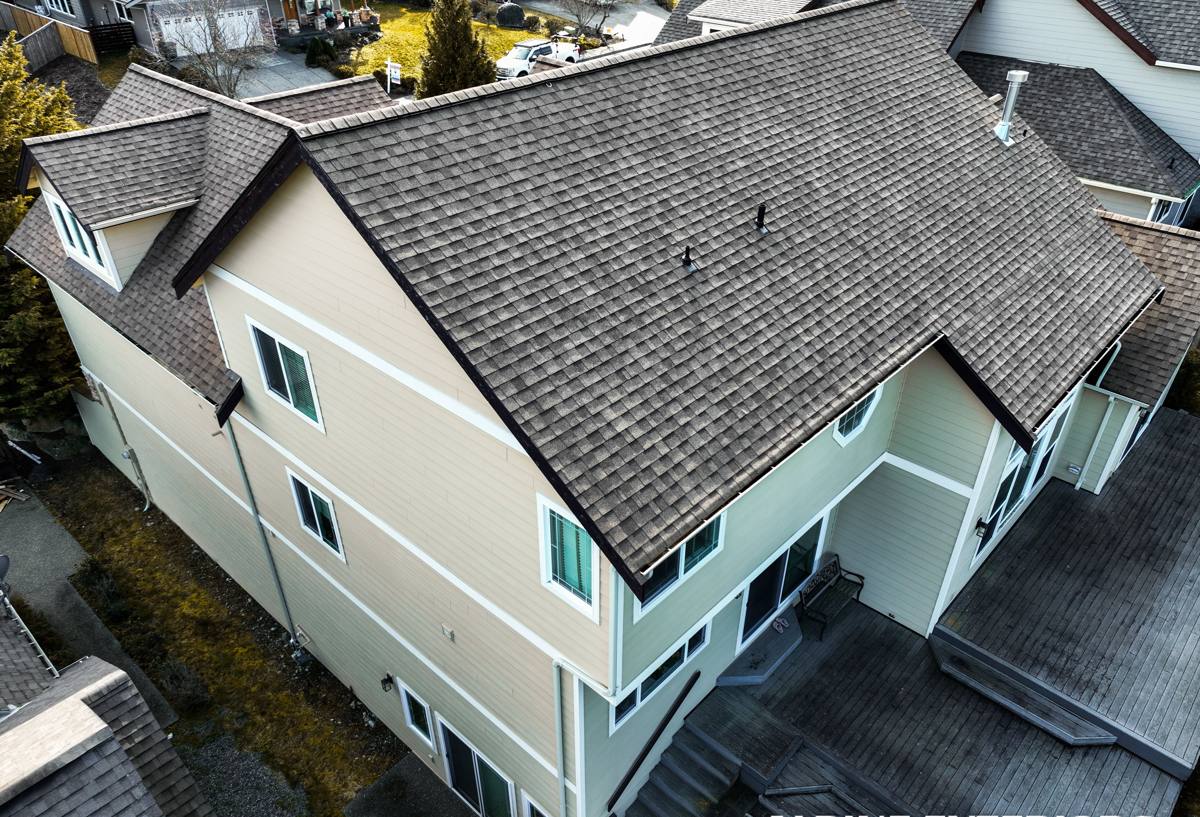
Davis Islands sits closer to open water than almost anywhere else in the Tampa area, and that changes what a deck has to survive day to day. A deck built with the same materials and details you'd use inland will age faster here — the salt-laden air off Tampa Bay, the wind that comes off the water unobstructed, and the sun beating down nearly year-round all work on wood, metal, and finishes at a faster rate than in a shaded inland yard. We build and repair decks for homes on Davis Islands regularly, and the difference between a deck that looks good in year one and one that still looks good in year ten almost always comes down to decisions made before the first board is ever cut.
This page is about deck building specifically for this neighborhood — what the local conditions demand, what a properly built deck involves here, how we approach the work, and why local experience matters more for this trade than people expect.
What Davis Islands' Environment Does to a Deck Over Time
Salt Air and Corrosion
Because Davis Islands is surrounded by water on nearly all sides, salt-bearing air reaches every part of a property, not just the side facing the bay. Salt accelerates corrosion in fasteners, connectors, and hardware, and it can pit and dull lower-grade metal finishes over a few seasons. This is one of the most common reasons we get called to look at decks here that are only five or six years old but already have rust streaks bleeding out around screw heads or joist hangers.
UV Exposure
Central Florida sun is intense for most of the year, and a deck has no roof overhead to soften it. UV breaks down the lignin in wood fibers, causing graying and surface checking, and it degrades the pigments and stabilizers in composite decking and finishes over time. Decks that face south or west with no shade structure take the heaviest UV load and generally need more frequent maintenance or a more UV-stable material.
Wind-Driven Rain
Rain that comes in sideways during Tampa's storm season finds its way into gaps that vertical rain never would — under railings, behind ledger boards, into fastener holes that weren't properly sealed. Wind-driven rain is a major cause of hidden rot and hardware corrosion because it gets moisture into places that don't dry out quickly.
Hurricane-Force Wind Loads
An exposed, low-lying island community like this one takes wind loads seriously during tropical systems. A deck's structural connections — how the ledger attaches to the house, how posts anchor to footings, how railings resist lateral load — matter more here than they would on a heavily wooded inland lot where surrounding structures and trees break up the wind.
Choosing Decking Material for This Location
There's no single "best" decking material — the right choice depends on budget, how much upkeep the homeowner wants to do, and how exposed the deck is to sun and salt air. Here's how the common options actually compare for a waterfront or near-waterfront property like this one.
| Material | Salt Air / UV Behavior | Maintenance | Typical Lifespan |
|---|---|---|---|
| Pressure-treated pine | Needs sealing to resist checking and graying; fasteners must be rated for treated lumber | Re-seal or stain every 1-2 years | 10-15 years with upkeep |
| Tropical hardwood (ipe, similar species) | Naturally dense and rot-resistant; will gray without regular oiling | Oil annually to keep color; otherwise low | 25+ years |
| Capped composite | Strong UV and moisture resistance; color stays consistent longer than wood | Occasional washing, no sealing or staining | 25-30 years |
| Aluminum or PVC decking | Excellent in salt air and full sun; won't rot, splinter, or corrode | Washing only | 30+ years |
For homes with heavy bay exposure and minimal shade, we lean homeowners toward capped composite or PVC unless they specifically want the look and feel of real wood and are willing to keep up with oiling or sealing on a schedule. Pressure-treated pine is still a reasonable choice for a budget-conscious project as long as the maintenance commitment is realistic.
Framing and Fasteners: Where Most Deck Failures Actually Start
The decking surface is what people notice, but the framing and hardware underneath determine whether a deck stays safe and level for decades or starts failing within a few years. In a salt-air, high-wind environment, we treat these details as non-negotiable:
- Stainless steel or heavy hot-dip galvanized fasteners and joist hangers rated for coastal exposure — standard electro-galvanized hardware corrodes too quickly this close to the bay
- Properly flashed ledger board connections where the deck attaches to the house, to keep wind-driven rain from working its way behind the siding
- Post-to-footing connections and hurricane-rated hardware sized for the wind loads required under the Florida Building Code
- Concrete footings sized and set to local frost-free, load-bearing standards rather than minimum footings that might pass a casual glance
- Railing systems anchored to resist lateral wind load, not just vertical weight
We've replaced more than a few decks on this island where the boards on top still looked fine but the framing underneath had rusted joist hangers or a ledger connection that had let water in for years. Once that damage is hidden under the decking, it's easy for a homeowner to not know until the deck starts to feel spongy or uneven.
Permits, Setbacks, and Elevation on an Island Lot
Deck projects in the City of Tampa and unincorporated Hillsborough County generally require a building permit, and elevated structures typically need engineered plans showing footing sizes, framing spans, and connection details. Because Davis Islands is low-lying and close to the water, some lots also fall under flood zone requirements that affect how a deck is elevated and anchored, and waterfront lots may have additional review if the deck is near a seawall or canal. We handle the permitting and drawings as part of the job rather than leaving a homeowner to sort that out separately, and we build to what the approved plans actually require — not just to what looks right.
Our Deck-Building Process
The process is the same whether it's a full rebuild or a first-time deck, though the details change based on the site:
- Site visit and assessment — we look at sun exposure, wind exposure, existing structure condition (for rebuilds), drainage, and any waterfront or flood zone considerations
- Design and material selection — sizing, layout, railing style, and decking material chosen based on the homeowner's budget and how much maintenance they want to take on
- Permitting and engineering — drawings prepared and submitted, permit pulled before any work begins
- Demolition (if replacing an existing deck) — removal and disposal, with an inspection of the ledger connection and any framing that will be reused or needs replacing
- Framing — footings, posts, beams, joists, and ledger flashing installed with coastal-rated hardware
- Decking and railing installation — surface material and railing system installed to the approved plan
- Final inspection and walkthrough — county inspection where required, plus our own walkthrough with the homeowner
Maintaining a Deck in This Climate
Even a well-built deck needs some seasonal attention to hold up against salt air, UV, and Florida's rain patterns. A simple, honest maintenance routine goes a long way:
- Rinse the deck surface periodically to clear salt residue, especially after windy stretches off the bay
- Check fastener heads and connectors once or twice a year for early rust staining
- Re-seal or oil wood decking on the schedule appropriate to that species — don't wait until it's already gray and dry
- Keep gutters and downspouts near the deck clear so runoff isn't dumping extra water onto framing
- After a significant storm, look over railings and stair connections for any looseness before assuming everything is fine
Why Local Experience on Davis Islands Matters
A deck built for an inland Hillsborough County lot and a deck built for a Davis Islands lot aren't really the same project, even if they look similar on paper. The wind exposure is different, the salt air is heavier, the permitting can involve flood zone or waterfront review, and even simple logistics — like access on a narrow island lot or coordinating with a seawall — come up more often here than elsewhere in the Tampa area. A crew that already works on this island has been through those specifics before and isn't learning them on your project. That translates into fewer surprises, fewer callbacks for hardware that shouldn't have corroded in three years, and a deck that's actually built for where it sits rather than for a generic spec sheet.
If you're planning a new deck, replacing an aging one, or just want an honest opinion on whether yours is holding up the way it should, we're happy to take a look. Reach out for a free, no-pressure estimate using the form below.