 Tampa Siding
 Why Hyde Park Decks Wear Out Faster Than You'd Expect
Hyde Park is one of Tampa's older, more established neighborhoods, and a lot of the decks we get called out to see the same combination of stressors year after year: intense sun, heavy humidity, wind-driven rain off the bay, and salt-laden air that settles on everything near the water. None of these alone is unusual for Florida. Together, over a decade or two, they're what turns a solid deck into one with soft boards, rusted fasteners, and a railing that wobbles more than it should.
Hillsborough County's climate doesn't give a deck much of a break. UV exposure here is intense almost year-round, and it breaks down the lignin in wood fibers and the resins in composite decking alike, which is why boards that look fine from a distance can be dry, gray, and brittle up close. Add in the humidity that never really goes away and the wind-driven rain that comes sideways during a squall or a tropical system, and you've got moisture finding its way into every joint, screw hole, and end-cut on the structure. Salt air, especially for homes closer to Hillsborough Bay, speeds up corrosion on any hardware that isn't rated for it.
A deck built and fastened correctly for this environment can hold up for a long time. One that was built with the wrong hardware, insufficient flashing, or standard framing lumber not meant for ground or near-ground contact will show problems much sooner — often in the structural connections before the surface boards even look bad.
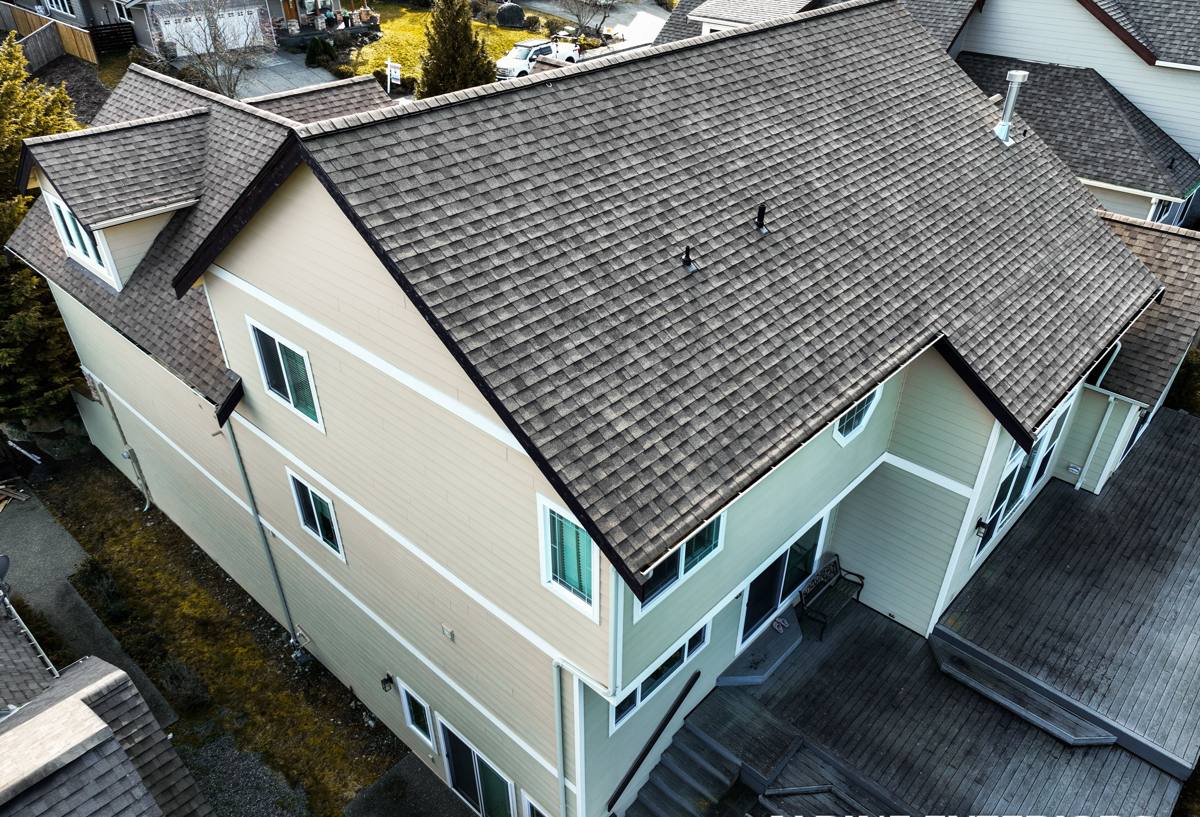
Signs a Hyde Park Deck Needs Repair
Most homeowners notice the cosmetic stuff first — graying wood, peeling stain, a board that's cupped or splintering. Those matter, but they're rarely the reason a deck actually fails. The structural issues are the ones that matter for safety, and they're often hiding in plain sight.
- Soft or spongy spots underfoot, especially near the house or at board ends
- Rust streaks bleeding from screw or bolt heads
- A ledger board pulling away from the house, or gaps where it meets the siding or wall
- Railings or posts that flex or wiggle when you push on them
- Stair stringers that feel bouncy or uneven
- Visible cracking, splitting, or checking along the length of structural members
- Standing water or slow drainage after rain instead of water shedding off
- Any sign of wood-boring insect activity — small holes, sawdust-like frass, or crumbling wood
Any one of these can be a simple fix. Several at once, especially involving the ledger board or main support posts, usually means the deck needs a more thorough structural evaluation before anyone walks on it regularly.
Repair or Replace? How We Make That Call
Not every deck problem calls for a full rebuild, and we don't push for one just because it's a bigger job. The honest answer usually comes down to where the damage is and how much of the structure it's touching.
Usually repairable
Isolated board replacement, tightening or re-securing a railing system, fixing a section of decking that's cupped or split, replacing corroded fasteners, or re-flashing a ledger connection that's letting water in. If the framing underneath is sound, we can fix what's on top of it.
Usually calls for more than a patch
Rot that's spread through multiple joists, a ledger board that's separated from the house structure, posts that have lost their footing connection, or a deck that was undersized or under-fastened for its actual use from day one. Patching over structural rot doesn't solve the underlying moisture problem — it just delays the next call.
We'll tell you plainly which category your deck falls into, and why, before we ever talk about cost.
What a Correct Deck Repair Actually Involves
A repair that's done right addresses the cause, not just the symptom. That means:
- Full inspection first — checking the ledger connection, joists, posts, footings, and fasteners, not just the visible decking surface
- Moisture source identification — finding where water is getting trapped or pooling, since that's usually what caused the damage in the first place
- Matching materials correctly — using lumber rated for ground contact where required, and hardware rated for the fastener's actual exposure, not just whatever's on the shelf
- Proper flashing at the ledger — this is the single most common failure point on older decks, and it's often invisible until you pull the board
- Structural fasteners over finish nails — structural screws or bolts rated for the load, not cosmetic fasteners that only look secure
- Grading and drainage — making sure water sheds away from the structure instead of sitting against it
Skipping any of these to save time is exactly how a "repaired" deck ends up with the same problem again in two or three years.
Material Choices for Tampa's Climate
When we're replacing sections of decking, homeowners usually ask whether to stick with what's there or switch materials. There's no universally right answer — it depends on budget, how much maintenance you're willing to do, and how the rest of the deck is holding up.
| Material | How it handles Tampa's climate | Maintenance | Typical lifespan |
|---|---|---|---|
| Pressure-treated pine | Handles moisture reasonably well when properly sealed; UV fades it faster than composite | Needs re-sealing/staining every 1-3 years | 10-15 years with upkeep |
| Composite decking | Resists rot and insects well; some early-generation boards can hold heat and moisture at the surface | Occasional cleaning, no staining or sealing | 20-25+ years, warranty-backed |
| Tropical hardwoods (e.g., ipe) | Very dense and naturally rot-resistant, but installation is unforgiving and pre-drilling is required for every fastener | Periodic oiling to maintain color, or left to gray naturally | 25+ years if installed correctly |
We're upfront about the trade-offs on each. Composite costs more upfront but saves on maintenance labor over the years. Pressure-treated lumber is the most budget-friendly to repair with, but it's only as good as the sealing schedule you actually keep up with. We'll match the repair to what's already there unless you want to discuss switching materials during the repair.
Our Deck Repair Process in Hyde Park
- On-site inspection — we get under the deck, not just on top of it, to check joists, ledger, posts, and footings
- Written findings — what's damaged, why it likely failed, and what's actually needed to fix it
- Straight pricing — repair scope and cost explained before any work starts, no vague allowances
- Repair or rebuild the affected sections — matching structural requirements to the deck's actual use and load
- Fastener and flashing correction — replacing anything undersized, corroded, or missing proper moisture protection
- Final walkthrough — we show you what was fixed and why, and what to keep an eye on going forward
We don't upsell repairs you don't need, and we don't quietly downgrade materials to hit a lower number. If a deck genuinely just needs a section of boards and a few fasteners, that's what we'll quote.
Older Homes and Established Decks
Hyde Park has more older, established homes than a lot of newer Tampa neighborhoods, and that shows up in the decks we inspect. Older decks were sometimes built to standards that have since changed — lighter framing, fewer structural connectors, fasteners that weren't rated for long-term outdoor exposure. None of that means the deck is unsafe by default, but it does mean an inspection needs to look at how the deck was actually built, not just assume it meets current framing practices.
Mature tree canopy, common throughout the neighborhood, adds its own wrinkle: more shade means slower drying after rain, and leaf litter that collects in gaps between boards holds moisture against the wood longer than it would in full sun. It's not a reason to avoid trees — it just means deck maintenance and inspection schedules should account for it.
What Drives the Cost of a Repair
| Factor | Why it matters |
|---|---|
| Extent of structural damage | Surface board swaps cost far less than joist or ledger replacement |
| Accessibility | Decks with tight crawl space underneath or limited access take longer to inspect and repair |
| Material match | Matching existing decking (especially discontinued composite lines) can add cost or require a color transition |
| Fastener and flashing corrections | Doing this correctly the first time costs more upfront than skipping it, but prevents repeat repairs |
| Code and permit requirements | Structural repairs above certain thresholds require permitting through Hillsborough County or the City of Tampa |
We give a written scope and price before starting, so there's no guessing once the work begins. Broad ranges depend heavily on how much of the structure is affected — a handful of board replacements is a very different job than replacing a ledger connection or multiple joists.
Maintaining a Deck Between Repairs
A little upkeep between repairs goes a long way in this climate. Here's what actually helps:
- Sweep debris and leaf litter out of gaps between boards regularly, especially under tree canopy
- Reseal or restain wood decking on the schedule the product actually calls for — not just "when it looks faded"
- Check railings and stair connections for movement a couple of times a year
- Rinse salt residue off decking periodically if you're closer to the bay
- Keep gutters and downspouts clear so runoff isn't dumping extra water onto or near the deck
- Look under the deck occasionally, not just at the walking surface, for early signs of moisture damage
Why It Matters to Hire a Crew That Already Works in Hyde Park
Deck repair in this climate isn't the same job it would be somewhere drier or cooler. A crew that regularly works Hyde Park and the surrounding Tampa area already knows what tends to fail first on decks that have been through years of Hillsborough County summers, storm seasons, and salt air — and knows which fixes hold up and which ones are just a temporary patch. That familiarity means a more accurate inspection, a repair scope that addresses the real problem, and fewer surprises once the work is underway.
If your deck has soft spots, a wobbly railing, or you just haven't had it looked at in a while, we're happy to come take a look. Estimates are free, there's no pressure to move forward, and you'll get a straight answer about what your deck actually needs — use the form below to get started.