 Tampa Siding
 Why Ybor City Homes Need a Different Approach to Siding
Ybor City is one of the older, more established neighborhoods in the Tampa area, and that history shows up in its housing stock. Many homes here date back decades, some sit inside locally recognized historic districts, and a good number were built long before modern siding materials existed. When we quote a fiber cement job in Ybor City, we're not just measuring walls — we're accounting for original wood siding hidden under later additions, uneven wall framing from decades of settling, and in some cases permitting rules tied to the neighborhood's historic status. A generic siding bid that doesn't account for any of that usually runs into surprises once the crew starts pulling boards.
Older Construction, Modern Material
Fiber cement wasn't around when most of Ybor City's older homes were framed, so the walls underneath were designed for wood clapboard, not a heavier cement composite. That's not a problem for James Hardie siding — it's rated for exactly this kind of retrofit — but it does mean the substrate needs an honest inspection before a single board goes up. Skipping that step is one of the most common ways a fiber cement install goes wrong on an older home.
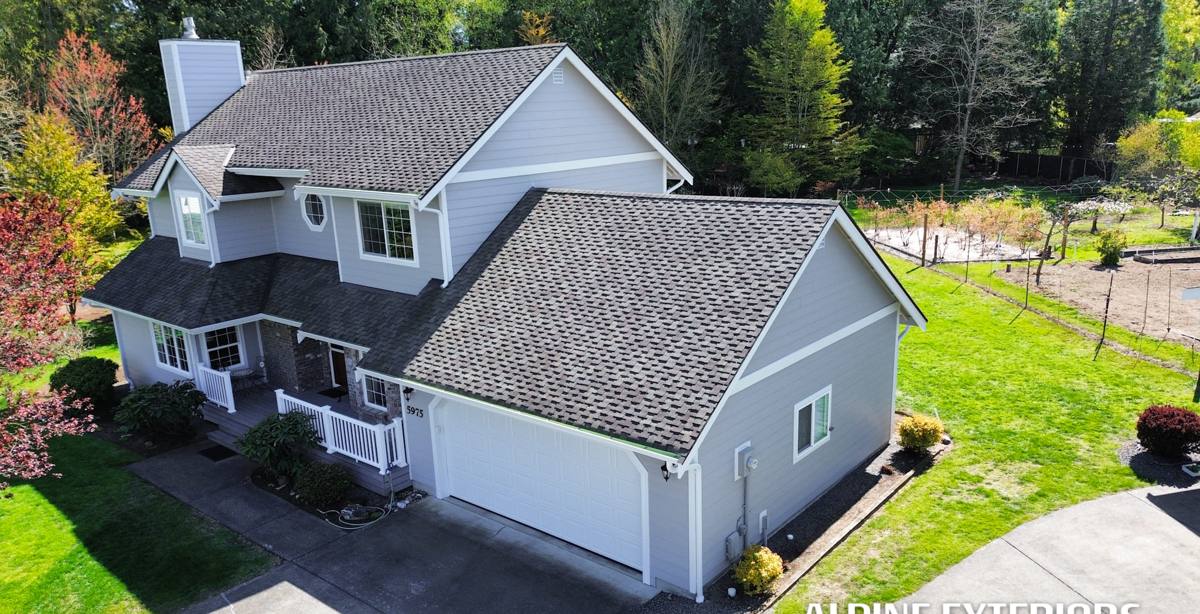
What Tampa's Climate Actually Does to Siding
Hillsborough County sits in one of the toughest climates in the country for exterior building materials, and Ybor City gets the full effect. Four factors do most of the damage over time:
- Hurricane-force wind: Loose or under-fastened siding is one of the first things to fail in a tropical storm or hurricane, and once a section peels back, wind-driven rain gets behind it fast.
- Year-round UV exposure: Tampa's sun strength doesn't take a season off. Paint and lower-grade coatings chalk, fade, and break down years faster here than in a milder climate.
- Wind-driven rain: Rain in Tampa rarely falls straight down. Storms push water sideways into seams, laps, and trim joints that were never designed to handle it.
- Salt air: Ybor City isn't beachfront, but Tampa Bay's salt air still travels inland, accelerating corrosion on fasteners and trim hardware that isn't rated for it.
None of this means siding is a lost cause in Tampa — it means the material and the installation both have to be chosen for this climate specifically, not for a generic national average.
Why We Install Only James Hardie Fiber Cement
We made a decision as a company to install James Hardie fiber cement siding exclusively — not LP SmartSide, not vinyl, not other fiber cement brands, not primed wood. That's not a marketing position, it's a practical one, and it comes down to how each of those product categories actually behaves in Gulf Coast humidity, heat, and storms over 10, 20, and 30 years.
James Hardie makes a version of its siding, the HZ5 product line, engineered specifically for high-humidity, storm-exposed climates like ours. It's not the same formulation sold in a dry inland climate. A few things stand out:
- Non-combustible core: Fiber cement doesn't feed a fire the way wood-based products can, which matters in tightly built older neighborhoods.
- ColorPlus factory finish: The color is baked on at the factory under controlled conditions, holding up to Tampa UV far longer than field-applied paint, and it's backed by its own finish warranty separate from the substrate warranty.
- Moisture resistance without moisture absorption: Fiber cement doesn't swell, rot, or delaminate the way OSB-based composite sidings can when a seam takes on water during wind-driven rain.
- Transferable, substantial warranty: A written product warranty that survives a change of ownership matters in a market where homes change hands regularly.
Why Not a Lower-Cost Siding Material Instead
Homeowners often ask why we don't offer vinyl or engineered wood siding as a lower-cost alternative. Vinyl can soften and distort under sustained direct sun and doesn't carry the same wind rating as fiber cement once seams and clips are stressed in a storm. Engineered wood products use a wood-fiber core that performs fine when installed and maintained exactly to spec, but they're more sensitive to sustained moisture exposure than fiber cement, which has no organic wood content to break down. Both can be reasonable products elsewhere. In Tampa's combination of heat, humidity, and storm exposure, we decided fiber cement was the standard we wanted to stand behind, so it's the only siding we install.
We're upfront that Hardie isn't the cheapest material on the market. But once we weighed long-term performance against upfront cost for homes in this climate, it's what we chose to put on our own quotes, and it's the only product our crews install.
What a Correct Fiber Cement Installation Actually Involves
Substrate and Moisture Management
Before any Hardie board goes up, the wall needs a proper water-resistive barrier, correctly lapped and taped at every seam, with flashing integrated at windows, doors, and any penetration. On an older Ybor City home, this is also when rot, old fastener holes, or previous patch jobs get found and addressed — not covered up.
Fastening and Clearances
James Hardie publishes specific fastening patterns, nail types, and clearance requirements — ground clearance, roofline clearance, deck and patio clearance — and Florida's high-wind zones tighten those specs further. Under-fastened siding is one of the most common causes of wind failure in a storm, and it's invisible from the ground until it fails.
Trim, Joints, and Caulking
Every horizontal and vertical joint is a place water can find its way in during wind-driven rain. Correct installation means using the right joint treatment — a properly flashed butt joint or a manufacturer-approved sealant system — not just caulk smeared over a gap and painted.
Finish and Touch-Up
With ColorPlus prefinished boards, field touch-up should be minimal and done with the matched touch-up kit, not a mismatched can of exterior paint. Cut edges get sealed per manufacturer spec so raw fiber cement isn't left exposed to Tampa humidity.
What Affects the Cost of a Fiber Cement Project in Ybor City
Every home is different, but these are the factors that most often move the number on a Ybor City fiber cement quote:
| Factor | Why It Matters |
|---|---|
| Age and condition of existing walls | Older framing may need sheathing repair before new siding goes on |
| Historic district or overlay status | Some Ybor City properties fall under review that can affect material profile or approval timeline |
| Home size and wall complexity | Dormers, gables, and multiple stories add labor and material cutting |
| Siding profile chosen | Lap width and texture (smooth vs. cedar-textured) affect material cost per square |
| Trim and accessory scope | Fascia, soffit, and trim replacement alongside siding changes add to total project cost |
| Access and site conditions | Tight urban lots and older detached structures can add setup and staging time |
We walk every home before quoting for exactly this reason — a number based on square footage alone, without seeing the actual walls, usually isn't the number the job ends up costing.
Our Process, Start to Finish
- On-site inspection: We look at the current siding, wall condition, trim, and any moisture or rot signs before quoting anything.
- Written estimate: A clear scope of work — what's being removed, what's being repaired, what Hardie product and profile is being installed, and what it costs.
- Permitting: We handle the Hillsborough County and City of Tampa permitting for the project, including any additional review that applies in historic-designated areas.
- Tear-off and substrate repair: Old siding comes off, and any damaged sheathing or framing is repaired before we move forward — not hidden under the new siding.
- Weather barrier and flashing: Correctly lapped house wrap and flashing at every penetration, inspected before boards go up.
- Hardie installation: Installed to manufacturer fastening spec and Florida high-wind requirements, with proper clearances throughout.
- Final walkthrough: We go over the finished job with the homeowner before calling it done.
Most Ybor City fiber cement projects run from a few days to two or three weeks on site depending on home size and scope, not counting permit review time. We'll give you a realistic timeline as part of the written estimate, not a generic best-case number.
Signs Your Ybor City Home May Need New Siding Now
- Visible warping, buckling, or soft spots when pressed
- Paint that's peeling, bubbling, or chalking heavily off older wood or composite siding
- Gaps opening up at seams, corners, or trim joints
- Water stains or discoloration on interior walls near exterior siding
- Siding that moved, cracked, or came loose during a recent storm
- Rising energy bills that suggest the wall assembly is no longer sealing properly
Caring for Fiber Cement Siding After Installation
One advantage of fiber cement over wood-based alternatives is how little ongoing maintenance it needs when it's installed correctly, but "little" isn't "none." A few habits keep a Hardie installation performing for its full service life in this climate:
- Rinse the siding with a garden hose once or twice a year to clear salt residue and pollen buildup — skip the pressure washer, which can force water behind laps.
- Walk the perimeter after any major storm and look for loose trim, cracked caulk joints, or boards that shifted.
- Keep gutters clear so water isn't sheeting down the wall face during heavy rain.
- Keep sprinkler heads angled away from the siding — constant direct wetting isn't what any siding material is designed for.
- Touch up scuffs or chips with the manufacturer-matched ColorPlus product rather than a mismatched exterior paint.
Why Hiring a Crew That Already Works in Ybor City Matters
Siding is a local trade in a way a lot of exterior work isn't. A crew that's worked in Ybor City knows the mix of construction eras in the neighborhood, has already dealt with Hillsborough County permitting and any historic-area review that applies, and has a feel for how the local wind and rain exposure actually plays out from block to block. That's different from a crew that works statewide and treats every job the same regardless of neighborhood.
It also matters for something more basic: accountability. A local crew still building its name in this neighborhood has a direct incentive to get the flashing, fastening, and finish work right the first time, because the next quote they give in Ybor City depends on the last job they finished here.
If your Ybor City home needs new siding, or you just want an honest opinion on whether it does, we'll walk the property and give you a straightforward, no-pressure estimate — free, with no obligation to move forward. Use the form below to get started.