 Tampa Siding
 Composite Decking Built for Hyde Park's Climate
Hyde Park sits close enough to the water that every outdoor structure on a property feels the effects of humidity, salt-laden air, and intense sun almost year-round. A deck here isn't just a place to put a grill and some chairs — it's an exterior structure that has to survive the same conditions that beat up siding and roofing: UV that fades and chalks materials, wind-driven rain that finds every gap, and the kind of humidity swings that make wood twist, cup, and rot faster than it would almost anywhere else in the country. Composite decking, installed correctly, handles that environment far better than pressure-treated lumber, but "composite" isn't a single product with one performance level, and installation quality matters as much as the material itself.
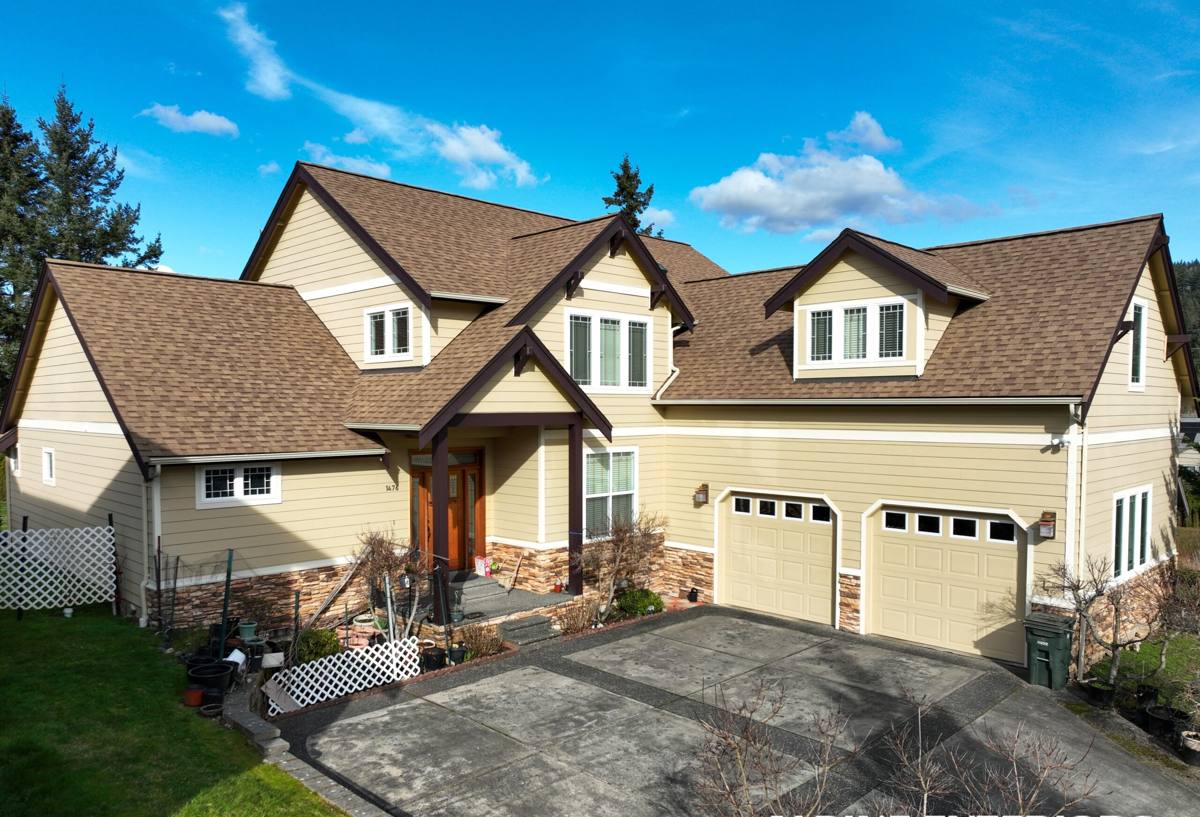
This page covers what we look at specifically for composite decking jobs in Hyde Park — the older bungalow and craftsman-style lots with mature tree canopy, the newer infill construction with tighter setbacks, and everything in between. The common thread across the neighborhood is proximity to Tampa Bay's salt air and the intense sun exposure that comes with minimal shade on south- and west-facing decks.
Why Standard Deck Advice Doesn't Fully Apply Here
A lot of composite decking marketing and installation guidance is written for northern climates where the main enemies are freeze-thaw cycles and snow load. In Hillsborough County, we're dealing with a different set of stresses:
- UV intensity — Tampa gets some of the highest UV index readings in the continental U.S. for much of the year. Lower-grade composite boards without a real capstock will fade, chalk, and lose color faster here than the manufacturer's national warranty language might suggest.
- Wind-driven rain — During tropical storms and hurricane season, rain doesn't just fall, it drives sideways into ledger board connections, stair stringers, and any place where flashing and fastening weren't done right the first time.
- Salt air corrosion — Even a few miles inland from the bay, salt in the air accelerates corrosion of fasteners, joist hangers, and structural hardware. Standard zinc-coated hardware corrodes faster here than in a dry inland climate.
- Humidity and moisture cycling — Composite boards expand and contract with heat and moisture. Hyde Park's humid subtropical conditions mean that cycle happens constantly, not just seasonally, which is why gapping and fastening technique at installation matter more here than in drier regions.
None of this means composite decking is a bad choice for Hyde Park — it's actually one of the better choices precisely because it resists rot and insect damage in a way wood can't. It means the installation has to account for these specific stresses rather than following a generic install guide.
What a Correct Composite Deck Install Involves
Substructure First
The composite boards on top get all the attention, but the framing underneath is what determines whether the deck survives storm season. In this climate we pay close attention to:
- Ledger board attachment and flashing where the deck meets the house — this is the single most common source of hidden water intrusion into the home's structure.
- Joist spacing appropriate to the specific composite board (many composite products require tighter joist spacing than traditional lumber decking, especially on angled or picture-frame layouts).
- Corrosion-resistant, coastal-rated fasteners and hardware rather than standard exterior-grade hardware, given the salt air exposure this close to the bay.
- Proper elevation and drainage slope so standing water doesn't sit under the deck after heavy rain events, which is common with our seasonal downpours.
Board Selection and Gapping
Composite boards need to be installed with the manufacturer's specified gapping to allow for thermal expansion — skip this and boards can buckle or push against fascia and railing posts during Tampa's hottest months. We also pay attention to board orientation relative to sun exposure, since south- and west-facing runs take the most direct UV load over the life of the deck.
Railings, Fascia, and Hardware
Composite fascia boards and railing systems should match the same UV and moisture resistance as the decking itself — pairing a quality composite deck surface with wood fascia or standard hardware creates a weak point that fails years before the deck boards do.
Our Process for Hyde Park Composite Decking Projects
- On-site assessment — We look at sun exposure, drainage, existing structure (if this is a replacement), and access, since Hyde Park's lot sizes and setbacks vary block to block.
- Material walkthrough — We go over composite board tiers, capstock options, and color choices with honest trade-offs on cost versus UV and fade performance, not a one-size-fits-all recommendation.
- Written estimate — Scope, materials, hardware grade, and timeline in writing before any work starts.
- Demo (if replacing an old deck) — Removal of old decking and inspection of the substructure, since reusing a compromised frame under new composite boards just moves the problem underground.
- Framing and structural work — Any needed repairs or upgrades to joists, ledger flashing, and footings before decking goes down.
- Decking installation — Boards, fascia, and railings installed to manufacturer spec with proper gapping and corrosion-resistant fastening.
- Final walkthrough — We review the finished deck with you and cover basic maintenance expectations before we consider the job done.
Comparing Decking Approaches for This Climate
| Factor | Pressure-Treated Wood | Standard Composite | Capped Composite (our standard) |
|---|---|---|---|
| UV/fade resistance | Poor — greys and splinters within a few years under Tampa sun | Moderate — can fade or chalk over time | Strong — capstock resists UV fade significantly better |
| Moisture/rot resistance | Requires ongoing sealing; prone to rot in humid conditions | Good, but uncapped edges can absorb moisture | Very good — fully encapsulated boards resist moisture intrusion |
| Maintenance | Annual sealing/staining recommended | Occasional cleaning | Occasional cleaning, no sealing needed |
| Upfront cost | Lowest | Mid-range | Higher upfront, lower lifetime cost |
| Typical lifespan in this climate | 8-15 years with maintenance | 15-20 years | 20-30+ years |
We install composite decking as our standard recommendation for Hyde Park because it holds up to the specific combination of UV, humidity, and storm exposure better than wood over the life of the deck. Within composite, we favor fully capped boards for the reasons in the table above — the extra upfront cost is a trade-off against a meaningfully longer service life in this climate, not a hard sell.
Storm Season Considerations
Hillsborough County sees real hurricane risk, and a deck attached to your home is part of your home's storm exposure. A few things we build in specifically for that:
- Ledger attachment strong enough to handle wind uplift, not just the static load of furniture and foot traffic.
- Railing systems rated for the wind loads relevant to this area, since a failed railing in high wind is both a safety issue and a projectile risk.
- Fastening patterns that account for wind-driven rain finding its way into board seams and hardware over repeated storm seasons.
None of this requires exotic materials — it requires installing standard, quality materials correctly for the environment they're going into.
Maintenance Expectations After Installation
One reason homeowners choose composite over wood is lower maintenance, but "lower" isn't "none." A realistic maintenance checklist for a Hyde Park composite deck:
- Periodic washing to remove salt residue, pollen, and organic buildup — more frequent here than in drier inland climates.
- Checking railing and stair connections annually for any loosening, especially after hurricane season.
- Keeping gutters and downspouts clear so runoff doesn't concentrate onto or under the deck.
- Watching for any signs of moisture pooling under the deck after heavy rain and addressing drainage if it develops.
- Avoiding pressure washing at settings high enough to damage the capstock surface — a garden hose and soft brush is usually sufficient.
Why a Crew That Already Works Hyde Park Matters
Composite decking installation done wrong doesn't usually fail in year one — it fails in year five or six, after enough UV cycling, storm seasons, and moisture exposure have found every shortcut in the framing or fastening. A crew that's worked in Hyde Park and similar Tampa neighborhoods has already seen what standard installation practices don't account for here: the salt air's effect on hardware, the drainage challenges of specific lot layouts, and the UV exposure that shows up on south-facing decks faster than manufacturer literature written for other climates would suggest. That's not a marketing point — it's the practical difference between a deck that needs attention in year five and one that's still solid in year twenty.
If you're considering a new composite deck or replacing an aging wood deck in Hyde Park, we're happy to walk the property, look at your sun exposure and drainage, and give you a straight answer on what the job actually involves and what it will cost. Request a free, no-pressure estimate using the form below.