 Tampa Siding
 Deck Replacement for Hyde Park's Historic Homes
Hyde Park is one of Tampa's older residential neighborhoods, and it shows in the housing stock: bungalows, Mediterranean Revival homes, and mid-century additions sitting on lots with mature oak canopy and, in many cases, decks that were built decades ago or added on without much thought to what Tampa Bay weather actually does to exterior wood structures over time. A deck that looked fine from the yard can be quietly failing where it matters most — the ledger connection, the support posts, the joists under the decking boards. Replacing a deck here isn't just a cosmetic project; it's a chance to correct decisions that never accounted for hurricane-force wind, constant UV load, and salt-laden air blowing in off the water.
This page covers what a deck replacement in Hyde Park should actually involve — not a generic list of decking products, but the specific conditions this part of Hillsborough County puts a deck through and how we build to handle them.
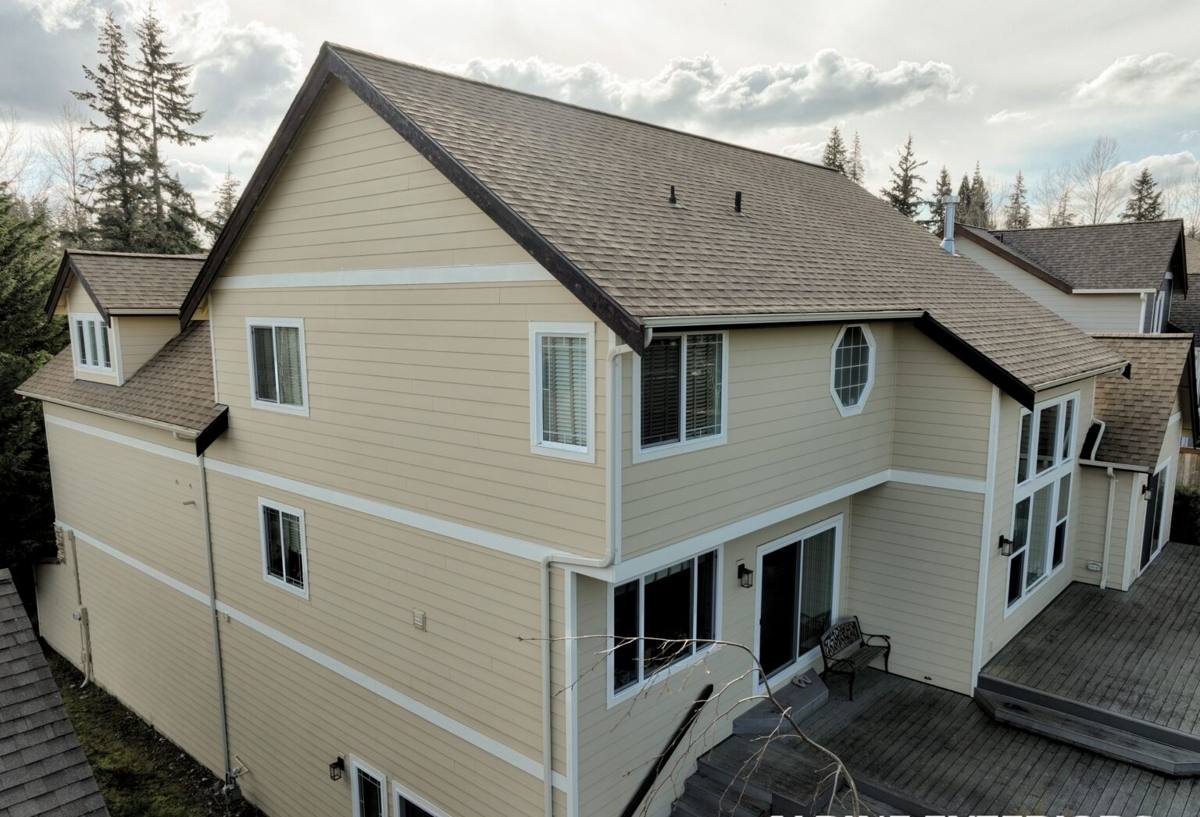
What Tampa Bay Climate Does to a Deck
Every deck in Hyde Park is fighting the same combination of stressors, year-round:
- Intense, near-constant UV: Florida sun breaks down wood fibers, fades and chalks composite surfaces, and dries out finishes far faster than in milder climates — untreated or poorly finished wood can gray and splinter within a couple of seasons.
- Wind-driven rain: Tampa doesn't just get rain, it gets rain pushed sideways under railings and into ledger connections, fastener holes, and end grain — the entry points that cause hidden rot long before the surface looks bad.
- Salt air: Being close to open water means airborne salt settles on every exposed surface. It accelerates corrosion on standard fasteners, hardware, and railing components that weren't rated for a coastal environment.
- Hurricane-force wind loads: A deck attached to the house has to resist uplift and lateral load during storm season, not just carry the weight of furniture and people standing on it.
- Humidity and ground moisture: High humidity keeps wood at elevated moisture content most of the year, which is exactly the condition wood-decay fungi and termites prefer.
None of these are unique to Hyde Park specifically, but the combination — an older neighborhood with a lot of aging decks, tree canopy that keeps surfaces damp longer after rain, and proximity to the water — makes deck failure show up here earlier than in newer, more inland subdivisions.
Signs a Deck Needs Replacement, Not Just Repair
We get called for "a few loose boards" more often than we get called for a full replacement, and part of an honest estimate is telling a homeowner when repair is genuinely enough versus when it's just delaying the real job. Signs it's time to replace rather than patch:
- Soft, spongy, or spring-back decking in more than one area, not just one board
- Rust staining or soft wood around ledger board bolts where the deck meets the house
- Posts that wobble at the base or show splitting at ground contact
- Visible daylight gaps that have widened between joists and decking over time
- Railings that flex noticeably when leaned on
- A deck older than 15–20 years that has never had its structural framing inspected, only the surface refinished
- Any sign that a previous deck was built without a permit or without proper ledger flashing
If a deck is failing at the structure — framing, ledger, posts, footings — refinishing or replacing individual boards is a cosmetic fix on top of a real problem. That's the case for a full replacement.
What "Correct" Actually Means Here
A correct deck replacement in this climate means the ledger board is properly flashed and through-bolted (not just lag-screwed) into the house structure, the fasteners and hardware are rated for coastal/high-moisture exposure, the footings meet current code depth for our soil and frost-free conditions, and the framing is sized and connected to resist both vertical load and wind uplift — not just built to look finished from above.
Decking Material Options for a Hyde Park Deck
There's no single "best" decking material — there's a best fit for the home, the budget, and how much upkeep the homeowner actually wants to do. Here's how the common options hold up against Tampa's specific conditions:
| Material | UV / Fade Resistance | Salt Air Tolerance | Maintenance | Typical Lifespan |
|---|---|---|---|---|
| Pressure-treated pine | Fades and grays without regular sealing | Fair; fasteners need corrosion-rated hardware | Annual cleaning/sealing recommended | 10–15 years with upkeep |
| Composite decking | Good; capped boards resist fading better than early composites | Good | Low; periodic washing | 20–25+ years |
| PVC decking | Very good | Very good; doesn't absorb moisture | Lowest; no sealing ever needed | 25+ years |
| Tropical hardwoods (e.g., ipe) | Fair; grays without oiling | Good | Higher; periodic oiling to maintain color | 25+ years structurally |
| Aluminum decking | Excellent | Excellent | Lowest; virtually maintenance-free | 30+ years |
We don't push one product on every job. Pressure-treated wood is still a reasonable, budget-honest choice for homeowners willing to do annual upkeep. Composite and PVC cost more up front but make sense for anyone who wants to stop thinking about the deck once it's installed. Where we get more cautious is with certain uncapped or low-grade composite products from years past — the moisture behavior and fade performance on those was inconsistent, and we've seen it cause callbacks industry-wide, which is why we're selective about which composite lines we install and stand behind.
Structural and Code Considerations in Hillsborough County
Deck replacement in Hyde Park isn't just a materials decision — it's a permitted structural project. Hillsborough County requires permits for deck construction and replacement, and inspections check the things that actually keep a deck safe in a storm: ledger attachment method, joist hangers and connector hardware, footing depth, guardrail height and baluster spacing, and stair geometry. Skipping the permit might save a little time up front, but it leaves the homeowner with an unpermitted structure that can complicate insurance claims or a future home sale — something that matters more in an older, established neighborhood like Hyde Park where resale scrutiny tends to be higher.
For homes in or near any local historic district designation, exterior changes visible from the street can also be subject to additional design review. We don't assume every Hyde Park property carries that designation, but if a home does, it's worth checking before finalizing railing style or decking color so the replacement doesn't hit a snag partway through.
Fasteners and Hardware Matter More Here Than the Boards Do
A deck is only as strong as its connections. In a coastal-adjacent climate, standard electro-galvanized fasteners corrode faster than the wood or composite around them. We use stainless steel or high-grade coated fasteners and hurricane-rated structural connectors sized for the load — this is the part of the job that's invisible once it's finished but is exactly what determines whether the deck is still solid in ten years or loosening up in three.
Our Deck Replacement Process
- On-site assessment: We inspect the existing deck's framing, ledger connection, posts, and footings, not just the surface boards, and check for rot, termite damage, or undersized framing.
- Honest scope and estimate: We tell you plainly whether the project is a full tear-out or whether the substructure can be reused, and walk through material options against your budget and maintenance preference.
- Permitting: We handle the Hillsborough County permit application and schedule required inspections so the finished deck is fully documented and compliant.
- Demolition and disposal: Full removal of the old deck, hauled off-site — we don't leave debris for the homeowner to deal with.
- Framing and structural work: New or reinforced ledger, posts, footings, and joists built to current code and sized for both live load and wind uplift.
- Decking, railing, and stairs installation: Installed to the manufacturer's fastening specifications, which matters for both performance and keeping any product warranty valid.
- Final inspection and walkthrough: We pass the county inspection and walk the finished deck with you before calling the job done.
What Drives the Cost of a Deck Replacement
| Cost Factor | Why It Matters |
|---|---|
| Deck size and shape | Multi-level decks, curves, and built-in features add labor beyond simple square footage |
| Decking material choice | Pressure-treated wood runs lowest up front; PVC and aluminum run highest but need the least upkeep |
| Substructure condition | Reusable, sound footings and posts cost less than a full tear-out and rebuild from the ground up |
| Railing style | Basic baluster railing costs less than cable, glass, or custom composite railing systems |
| Height and stairs | Elevated decks need more structural framing and code-required stair/rail detailing |
| Permit and inspection scope | Larger or elevated decks may require engineering review, adding to both cost and timeline |
Most full deck replacements in this area run from a few thousand dollars for a small, simple ground-level deck in pressure-treated wood, up to well into five figures for a large, elevated deck in composite or PVC with upgraded railing. We give a firm, itemized number after the on-site assessment — not a rough guess over the phone.
Why It Matters to Hire a Crew That Already Works Hyde Park
Deck work in this neighborhood comes with details a crew unfamiliar with the area can miss: mature tree roots near footing locations, tighter lot setbacks common on older Hyde Park parcels, and, on some properties, historic district review that a contractor from outside Tampa may not think to check for. A crew that already works Hillsborough County knows the county's permitting process, knows which fastener and hardware specs actually hold up against salt air off the water instead of just meeting the minimum code requirement, and can spot when an old deck's problems trace back to a ledger connection that was never flashed correctly in the first place — the single most common cause of hidden deck failure we see in older homes.
Local experience also means faster, more realistic scheduling around Tampa's rainy season and storm season, rather than a generic timeline that doesn't account for how often work here gets rained out in July and August.
Get a Straight Answer on Your Deck
If your Hyde Park deck is showing its age — soft spots, rust stains, a wobble in the railing, or it's simply old enough that no one's checked the framing underneath — it's worth getting an honest, no-pressure look before problems get more expensive to fix. Fill out the form below for a free estimate, and we'll tell you straight whether you need a full replacement, a partial rebuild, or just targeted repair.