 Tampa Siding
 Asphalt Shingle Roofing Built for Land O' Lakes Conditions
Land O' Lakes sits inland in Pasco County, just north of the Tampa city line, and that location shapes what a roof needs to survive here. You're far enough from the coast that salt spray isn't the daily concern it is for beachfront homes, but you still get the same tropical sun, the same summer storm pattern, and the same tropical-system wind exposure that the whole Tampa Bay region deals with. A shingle roof here spends its life absorbing intense UV, taking on wind-driven rain during afternoon thunderstorms, and occasionally getting tested by hurricane-force gusts. None of that is unique to Land O' Lakes, but it's a different mix than what a roofer coming from a drier or cooler climate is used to planning around.
An asphalt shingle roof done right in this area isn't just "shingles nailed to a deck." It's a system — deck, underlayment, ventilation, flashing, and the shingles themselves — put together so that wind can't get under it, rain can't work its way in through the details, and the sun doesn't cook the granules off in half the expected lifespan. Get any one of those pieces wrong and the roof looks fine for a year or two before problems show up.
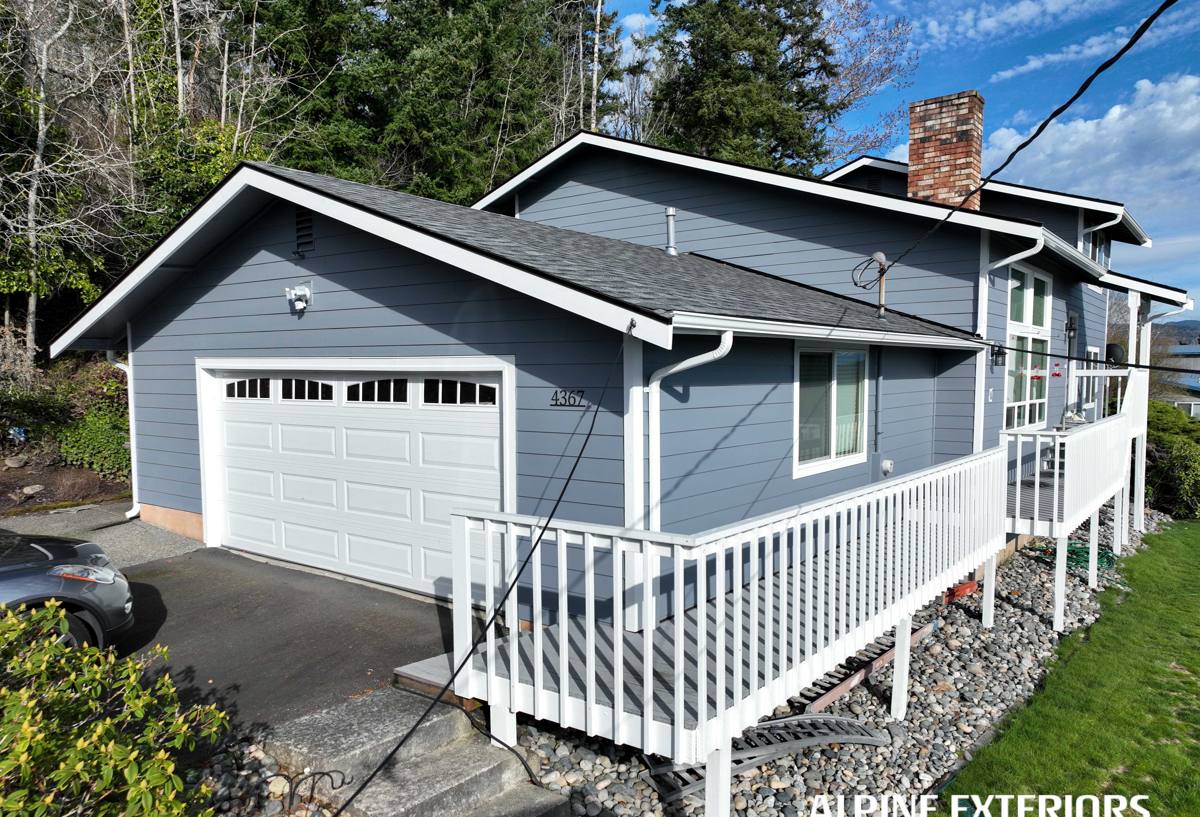
What the Local Climate Actually Does to a Roof
UV and Heat
Central Florida gets sun exposure most of the year, and asphalt shingles are petroleum-based products — heat and UV are what age them. Granule loss accelerates, the asphalt mat can become brittle over time, and dark-colored shingles run hotter, which adds to attic heat load. This is normal aging, but it's faster here than in a lot of the country, which is why ventilation and shingle selection matter more in this market than in milder climates.
Wind and Storms
Land O' Lakes doesn't take direct coastal storm surge, but it's well within reach of tropical system wind fields and the straight-line gusts that come with summer storm cells. Wind is what tests the install itself — the nailing pattern, the sealant strip bond, starter shingles at the edges, and how the ridge is finished. A shingle roof rarely fails because the shingle itself was bad; it fails because wind found an edge, corner, or ridge line that wasn't fastened to spec.
Humidity and Rain
Frequent afternoon rain plus high humidity is a good environment for algae growth on north-facing slopes and shaded sections, and it means any small flashing or valley mistake shows up as a leak faster than it would in a dry climate. Wind-driven rain in particular can push water sideways under poorly sealed edges, which is why flashing detail work matters as much as the shingles.
What a Correct Asphalt Shingle Install Involves
A lot of roofing problems trace back to steps that get rushed or skipped, not to bad materials. Here's what should happen on a proper tear-off and reroof:
Deck Inspection and Repair
Once the old shingles come off, the decking underneath gets inspected for soft spots, delamination, or water staining. Any compromised sheathing gets replaced before a single new shingle goes down — covering a bad deck with new shingles just hides the problem until it's worse and more expensive.
Underlayment
Synthetic underlayment has largely replaced traditional felt on most jobs because it holds up better to Florida humidity and UV exposure if a roof sits open during install, and it doesn't tear as easily underfoot. In valleys and around penetrations, self-adhering membrane adds a second layer of leak protection where water concentrates.
Ventilation
Balanced intake (soffit) and exhaust (ridge) ventilation keeps attic temperatures and moisture in check. In this climate, a poorly ventilated attic runs hotter, ages shingles from underneath, and can push cooling costs up. Ventilation is easy to overlook because it doesn't show from the ground, but it affects how long the whole roof lasts.
Nailing and Wind Rating
Shingles are rated for wind resistance based on how they're fastened, not just the product itself. That means nail placement, nail count per shingle, and using the manufacturer's specified pattern — not a faster shortcut pattern. This is the single biggest factor in whether shingles stay put during a wind event.
Flashing and Edges
Valleys, chimneys, wall intersections, and roof-to-wall transitions all need properly formed and lapped flashing, not just extra sealant. Drip edge at the eaves and rakes protects the fascia and gives wind-driven rain a place to shed instead of wicking back under the shingle edge.
Choosing the Right Shingle for This Area
Not every asphalt shingle product is built the same way, and the right choice depends on what you're weighing between cost, wind performance, and how long you want the roof to hold its appearance.
| Shingle Type | Typical Wind Rating | Algae Resistance | Best Fit |
|---|---|---|---|
| 3-tab | Lower end of the range | Only if treated | Budget-focused jobs, rentals, secondary structures |
| Architectural / laminate | Mid-to-high range | Usually available with algae-resistant granules | Most primary residences in this market |
| Impact-rated / high-wind | Highest rating tier available | Usually included | Homes prioritizing storm performance or seeking insurance credits |
Architectural shingles are the most common choice for homes in this area, and for good reason — they carry a stronger wind rating than basic 3-tab product, they're heavier and hold their shape better over time, and most lines are available with algae-resistant granules, which matters given how much humidity this region gets. Impact-rated shingles cost more up front but can pay some of that back through insurance premium credits, on top of holding up better to wind-borne debris.
Repair, Recover, or Full Replacement
Not every roof problem means a full tear-off. We look at three things before recommending anything: the age of the existing roof relative to its expected lifespan, the condition of the decking underneath, and how widespread the damage or wear actually is.
- Repair makes sense for isolated damage — a section lifted in a storm, a flashing leak, a small area of granule loss — on a roof that's otherwise sound and not near the end of its life.
- Recover (a new layer over existing shingles) is rarely something we recommend in this climate, since it traps heat and moisture against the old layer and hides the deck from inspection — we'll explain the trade-offs honestly if it ever comes up.
- Full replacement is the right call when the roof is past its practical service life, when there's widespread granule loss or curling, or when storm damage is extensive enough that patchwork repairs would just be delaying the same expense.
Our Process on Land O' Lakes Jobs
We keep the process straightforward because homeowners don't need surprises on something this expensive:
- On-site inspection of the current roof, decking access points, and attic ventilation.
- A written scope and estimate that spells out materials, underlayment, and any deck repair allowance.
- Permitting handled before work starts — Pasco County requires permits for roofing work, and skipping that step is a red flag with any contractor.
- Tear-off, deck inspection and repair, then installation following manufacturer nailing and ventilation specs.
- Daily site cleanup, including magnetic sweeps for nails and debris.
- Final walk-through with the homeowner and manufacturer warranty registration paperwork provided.
Maintenance Homeowners Can Handle Between Service Calls
A shingle roof in this climate benefits from a little regular attention. None of this requires climbing on the roof yourself — most of it can be checked from the ground or the attic:
- Clear gutters and downspouts so water isn't backing up under the eaves during heavy rain.
- Trim back tree limbs that overhang the roofline — falling branches and constant shade both shorten shingle life.
- Watch for dark streaking on north-facing slopes, which usually signals algae growth rather than damage.
- After any significant wind event, do a visual check from the ground for lifted or missing shingles.
- Check the attic occasionally for daylight, staining, or musty odor — early signs of a leak that hasn't reached the ceiling yet.
- Keep an eye on granule buildup in gutters, which increases as a roof approaches the end of its service life.
Cost Factors Worth Understanding
Every roof is priced on its own specifics, but the same handful of factors drive most of the variation from one Land O' Lakes home to the next: the size and pitch of the roof, how many layers of existing shingles need to come off, how much decking needs replacing once it's exposed, which shingle tier you choose, whether ventilation needs upgrading, and permit costs. A steep, cut-up roofline with several valleys and penetrations takes more labor than a simple gable roof of the same square footage, and that shows up in the estimate. We break all of this out in writing rather than handing over a single lump number, so you can see what you're actually paying for.
Why a Local Crew Matters for This Job
Roofing crews that work this part of Pasco County regularly know the wind and rain patterns firsthand, not from a manual — which slopes take the worst UV exposure, how fast humidity drives algae growth, and what kind of storm damage tends to show up after a summer system passes through. That familiarity means fewer surprises during inspection and installation. It also means faster response when something needs attention after a storm, since we're not routing a crew in from across the region. And because we handle Pasco County permitting regularly, that step doesn't turn into a delay on your project.
If you're weighing a repair, a full replacement, or just want a straight answer on what condition your current roof is in, we're glad to come take a look. The estimate is free, there's no pressure attached to it, and you'll get a straightforward assessment either way — just fill out the form below to get started.