 Tampa Siding
 Why Land O' Lakes Roofs Wear Differently Than Roofs Up North
Land O' Lakes sits just north of the Hillsborough County line in Pasco County, but it shares the same climate punishment as the rest of the Tampa Bay area: long stretches of intense UV exposure, sudden afternoon thunderstorms with wind-driven rain, humidity that never really lets up, and the real possibility of hurricane-force winds during storm season. A roof built for a milder climate, or installed with shortcuts that don't matter in a dry climate, will show problems here years before it should.
None of this means a roof needs to be exotic or over-engineered. It means the details that are optional elsewhere — proper underlayment, correct fastening, real attic ventilation, flashing done right the first time — are not optional in Land O' Lakes. A new roof installed correctly for this climate should give you decades of reliable protection. One installed with the wrong materials or a rushed process can start leaking or losing shingles within a few storm seasons.
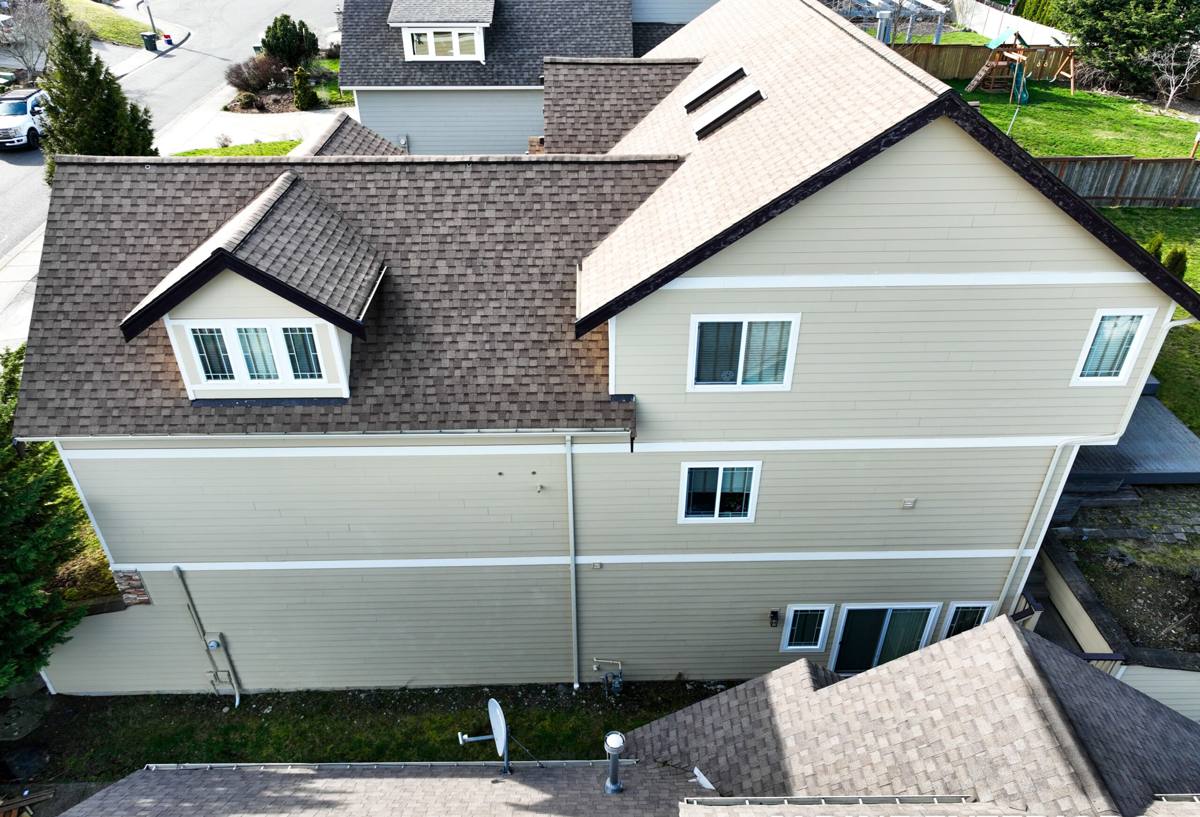
What a Correct New Roof Installation Actually Involves
"New roof" sounds simple, but a proper installation is really a stack of individual decisions that each matter on their own. Skipping or rushing any one of them is how homeowners end up with a roof that looks fine from the driveway but fails from the inside.
Decking Inspection and Repair
Once the old roofing material is off, the plywood or OSB decking underneath has to be inspected board by board. Humidity and past leaks are common in this area, and soft, delaminated, or water-stained decking needs to be replaced before anything new goes down — not covered up. Installing new shingles or tile over compromised decking is one of the most common shortcuts that leads to early failure.
Underlayment
The underlayment is the water barrier between your decking and your finished roofing material — it's what protects your home if wind ever drives rain up under shingles or tile. In a climate with regular wind-driven rain, a synthetic or self-adhering underlayment rated for high-wind, high-moisture conditions matters more here than it would in a drier region.
Flashing
Flashing around chimneys, skylights, vent pipes, and roof-to-wall transitions is where most roof leaks actually start — not in the open field of shingles or tile. New flashing, properly formed and sealed at every penetration, should be part of any new roof installation, not just a reuse of whatever was there before.
Attic Ventilation
Florida attics get brutally hot, and a poorly ventilated attic shortens the life of roofing material from underneath while driving up cooling costs. A correct installation checks that intake and exhaust ventilation are balanced, not just present.
Fastening and Wind Resistance
Nail or fastener pattern, type, and spacing directly affect how well a roof holds up in high wind. This is a place where following the manufacturer's wind-rated installation instructions — not just the minimum building code — makes the difference between shingles that stay put in a tropical storm and shingles that peel off.
Roofing Material Options for Land O' Lakes Homes
There isn't one "right" roofing material for this area — the right choice depends on your home's structure, your budget, and how long you want to go before your next roof. Here's an honest comparison of the materials most commonly installed on homes in this part of the Tampa Bay area.
| Material | Typical Lifespan | Wind Performance | Maintenance |
|---|---|---|---|
| Architectural asphalt shingles | 20–30 years | Good, when installed to a high-wind fastening pattern | Low; periodic inspection after storms |
| Concrete or clay tile | 40–50+ years | Very good; heavy and mechanically fastened | Moderate; occasional cracked-tile repair, underlayment is the long-term weak point |
| Standing seam metal | 40–60 years | Excellent when properly fastened | Low; occasional fastener and seam checks |
Shingles remain the most common choice because of upfront cost, but tile and metal are common on homes where the extra lifespan and wind performance justify the higher installed price. We'll walk through the honest trade-offs of each for your specific home rather than push whatever is easiest for us to install.
Our New Roof Installation Process
A new roof is disruptive enough without surprises. Here's how we run the job from first call to final walkthrough:
- Inspection and estimate. We get on the roof, check the decking where accessible, and give you a written scope and price — not a vague verbal number.
- Permitting. Roof replacements require a permit. We handle the application and the required inspections so you don't have to track down paperwork.
- Material delivery and tear-off. Old roofing comes off down to the decking, and the property is protected during the process.
- Decking repair. Any damaged decking is replaced and documented before we move forward — this is not an area to shortcut.
- Underlayment and flashing. New underlayment goes down first, followed by new flashing at every penetration and transition.
- Installation. Shingles, tile, or metal panels go on following the manufacturer's wind-rated specifications.
- Cleanup and magnetic nail sweep. The property is cleared of debris and swept for stray nails and fasteners.
- Final inspection. The local building department inspects the completed work, and we walk the job with you before calling it done.
Permits, Codes, and Wind Mitigation
Land O' Lakes falls under Pasco County's building and permitting jurisdiction, which enforces the Florida Building Code — the same statewide code that governs wind-resistance and installation standards across the Tampa Bay region. A licensed roofing contractor pulls the permit, and the completed roof gets inspected by the county before the job is signed off. This isn't paperwork for its own sake — it's what confirms the roof was actually installed to code, and it protects you if there's ever a warranty or insurance question down the road.
It's also worth asking your contractor for a wind mitigation inspection once the new roof is complete. A new roof, especially one installed with hurricane-rated fastening and modern underlayment, can qualify your home for a lower homeowners insurance premium — but only if the inspection is done and filed correctly.
Signs Your Land O' Lakes Roof Needs Replacing Rather Than Repairing
Not every roof problem calls for full replacement. But if you're seeing several of the following, a new roof is usually the more honest recommendation than another round of patching:
- Shingles that are curling, cupping, or missing granules across large sections of the roof, not just one spot
- Multiple leaks in different areas, rather than one isolated flashing failure
- Visible sagging anywhere along the roofline
- Daylight visible through the attic decking
- A roof that's already 20+ years old and has been through several storm seasons
- Missing or lifted tiles/shingles after a storm, especially if it's happened more than once
- Rising energy bills tied to poor attic ventilation or failing insulation under the roof deck
Why a Crew That Already Works in Land O' Lakes Matters
A roofing crew that regularly works this part of the Tampa Bay area already knows what Pasco County inspectors look for, what wind-rated fastening actually requires in practice, and how local weather patterns affect scheduling and material handling. That's different from a crew installing its first roof in the area — there's less guessing, fewer surprises during inspection, and a better sense of which materials genuinely hold up here versus which ones just look good on a spec sheet.
Being local also means we're reachable after the job is done. If a storm rolls through and you want a roof checked, or a warranty question comes up, you're calling a crew that's still working in your neighborhood, not chasing down someone who installed the roof and left the area.
What Drives the Cost of a New Roof
Every roof is priced individually, but the following factors are what actually move the number up or down:
| Factor | Why It Matters |
|---|---|
| Roof size and pitch | More square footage and steeper pitches mean more material and labor time |
| Number of existing layers | Tear-off of multiple old layers adds labor and disposal cost |
| Decking condition | Rotted or delaminated decking found during tear-off needs replacement before installation continues |
| Material choice | Shingles, tile, and metal carry very different material and labor costs |
| Roof complexity | Valleys, dormers, skylights, and chimneys all add flashing and labor time |
| Accessibility | Steep or hard-to-reach roofs take longer and require more safety equipment |
We give a written, itemized estimate up front so you can see exactly what you're paying for — not a single lump number with no explanation behind it.
Caring for Your New Roof After Installation
A correctly installed roof is low-maintenance, but it isn't zero-maintenance in this climate. A quick visual check after any major storm, keeping gutters clear so water isn't backing up under the roof edge, and trimming back overhanging branches all go a long way toward getting the full lifespan out of a new roof. Most manufacturers also recommend a periodic professional inspection, particularly for tile roofs where the underlayment beneath the tile is the real long-term wear point.
If you're weighing a new roof for your Land O' Lakes home, we're happy to take a look and walk you through your honest options — no pressure, no pushy sales pitch. Fill out the form below for a free estimate.