 Tampa Siding
 Roof Replacement in Land O' Lakes: Built for This Climate, Not a Catalog
Land O' Lakes sits in that stretch of the Tampa Bay area where lake-effect humidity, wide-open rooftops with little tree cover on newer builds, and full exposure to Gulf storm systems all combine to put real stress on a roof. If you're looking at a roof replacement here, the job isn't just "match what's on the house next door." It's picking a system that can take Hillsborough County's UV load, hold up through wind-driven rain, and survive a hurricane season without the underlayment or fasteners quietly failing where you can't see them.
We're a Tampa-based siding and exterior crew that also handles roof replacement work in communities like Land O' Lakes. We're not a national franchise dispatching whoever's free that week — we know the housing stock out here, the permitting requirements in this part of the county, and what actually fails first on a roof that's been through a few Florida summers.
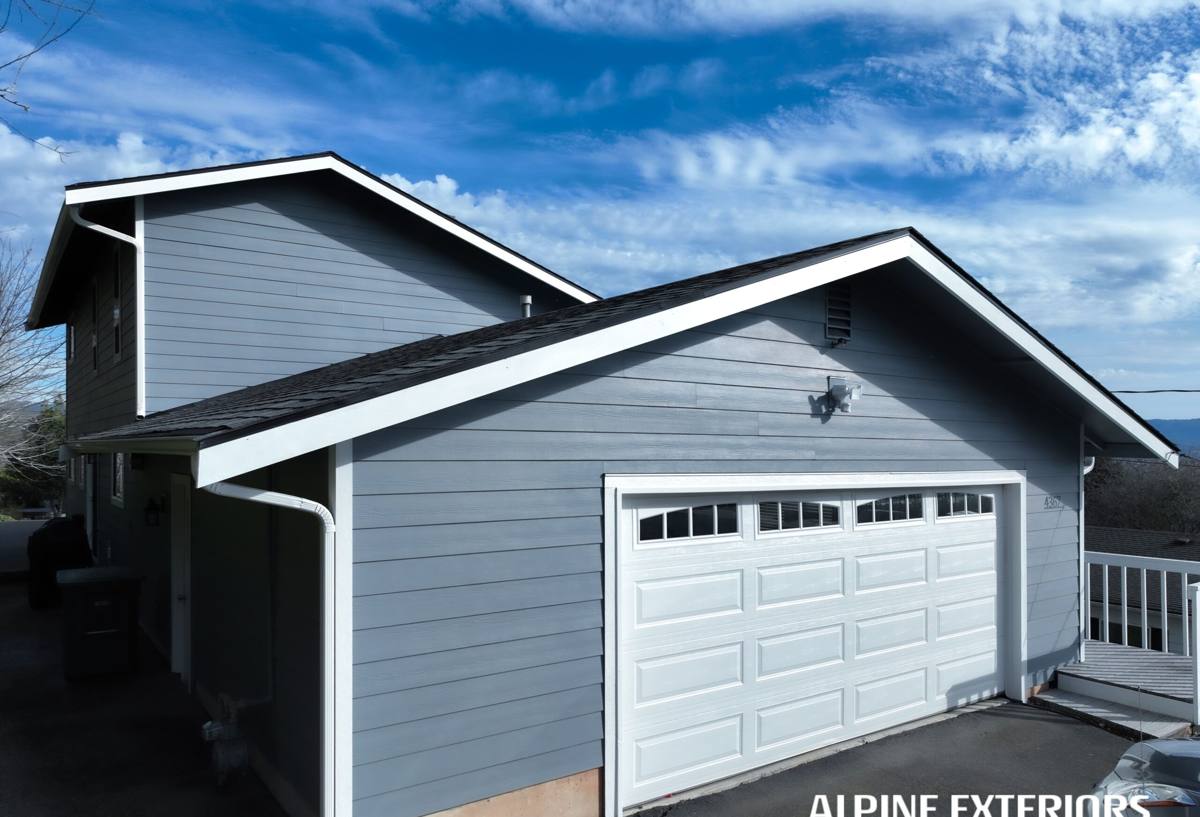
What Land O' Lakes Roofs Are Actually Up Against
Sun and Heat
Florida's year-round UV exposure is harder on roofing materials than most homeowners realize. Asphalt shingles lose their oils and granules faster here than in milder climates, which is why a shingle roof rated for 25-30 years elsewhere often shows real wear well before that mark in this part of the state. Attic heat buildup adds to it, baking the underside of the decking and accelerating the aging of shingles from below as well as above.
Wind-Driven Rain and Hurricanes
The bigger issue isn't rain falling straight down — it's rain pushed sideways under wind pressure, which finds every gap in flashing, every under-driven nail, and every seam that wasn't sealed correctly the first time. During hurricane season, uplift on ridges, eaves, and roof corners is where poorly fastened systems fail first. A correct install accounts for these pressure zones with the right nailing pattern and edge detailing, not just a general "cover the deck" approach.
Humidity and Moisture Cycling
Land O' Lakes' proximity to lakes and wetlands means persistent humidity that keeps roof decks and attics damp longer after storms than drier inland areas. That moisture cycling — wet, dry, wet again — is what breaks down poorly ventilated attics and underlayment that isn't rated for it. A roof that "looks fine" from the ground can have soft decking or trapped moisture doing damage you won't see until there's a leak.
Signs a Land O' Lakes Roof Needs Replacement, Not Another Repair
- Granule loss showing up in gutters or downspouts, or shingles that look patchy and uneven in color
- Curling, cupping, or cracked shingles across large sections rather than one isolated spot
- Soft spots or noticeable sagging when walked on the decking
- Daylight visible through the roof deck from inside the attic
- Repeated leaks in different spots after storms, rather than one recurring trouble area
- Roof is 18-20+ years old and has never been fully replaced, only patched
- Visible flashing failure around chimneys, skylights, or roof-to-wall transitions
- Missing or lifted shingles after wind events, especially near ridges and edges
If you're only seeing one or two of these and they're localized, a repair may still make sense. Full replacement becomes the honest recommendation once the damage is spread across the roof or the underlying decking is compromised.
What a Correct Roof Replacement Actually Involves
A roof replacement done right in this climate is more than stripping old shingles and nailing down new ones. Each layer matters:
Tear-Off and Deck Inspection
Full removal of old roofing down to the deck, so we can actually see the plywood or OSB underneath. Any soft, delaminated, or water-damaged decking gets replaced before anything new goes down — covering over bad decking is how roofs fail early, and it's not something we'll do just to save a step.
Underlayment
In a climate with this much wind-driven rain, underlayment is your real second line of defense, not an afterthought. We use underlayment systems rated for wind and moisture exposure appropriate to Hillsborough County's building code requirements, with proper overlap and fastening at seams.
Flashing and Penetrations
Chimneys, vents, skylights, and roof-to-wall transitions are where most leaks actually start — not in the open field of shingles. Correct flashing detail here takes more time than a rushed crew wants to spend, but it's the difference between a roof that's dry in five years and one that isn't.
Fastening and Wind Rating
Nailing pattern, nail placement, and fastener count all affect how a roof performs in high wind. We follow manufacturer specifications and Florida Building Code wind requirements for this region rather than a generic minimum, particularly at edges, ridges, and corners where uplift pressure concentrates during storms.
Attic Ventilation
Proper intake and exhaust ventilation keeps attic temperatures and moisture in check, which extends the life of both the roofing material and the decking beneath it. Poor ventilation is a quiet cause of premature roof failure that has nothing to do with the shingles themselves.
Comparing Roofing Options for Land O' Lakes Homes
| Material | Typical Lifespan Here | Wind/Storm Performance | Maintenance Considerations |
|---|---|---|---|
| Asphalt Shingle (architectural) | 15-25 years in FL sun exposure | Good when properly fastened and rated for regional wind | Periodic inspection after storms; granule loss increases with UV age |
| Metal Roofing | 30-50 years | Excellent uplift resistance when correctly installed | Low maintenance; higher upfront cost, fastener checks over time |
| Tile (concrete/clay) | 30-50+ years | Strong when underlayment and fastening are done correctly | Underlayment failure is the real risk long-term, not the tile itself |
| Flat/Low-Slope (modified bitumen, TPO) | 15-25 years | Depends heavily on seam and flashing quality | Requires attention to drainage and ponding |
There's no universally "best" material — the right call depends on your roof's slope, your budget, and how long you plan to stay in the home. We'll walk through the honest trade-offs for your specific roof rather than pushing whatever has the best margin.
Our Process for a Land O' Lakes Roof Replacement
- On-site inspection. We look at the current roof, attic, decking condition, and any trouble spots before quoting anything.
- Honest written estimate. Clear scope of work, materials, and pricing — no vague allowances that turn into surprise costs mid-job.
- Permitting. Roof replacements in Hillsborough County require permits and inspections. We handle that process rather than leaving it on you.
- Tear-off and deck repair. Full removal, deck inspection, and replacement of any compromised sections.
- Installation. Underlayment, flashing, and roofing material installed to code and manufacturer spec, with attention to the wind-exposed areas of the roof.
- Final walkthrough and inspection. We review the finished roof with you and coordinate the required county inspection before closing out the job.
Why Hiring a Crew That Already Works in Land O' Lakes Matters
Roofing rules and expectations aren't identical everywhere. A crew that regularly works in Hillsborough County knows the local permitting process, the inspection expectations, and the wind-rating requirements that apply here — which means fewer delays and fewer surprises. We've seen what actually fails on roofs in this area after a few storm seasons, which shapes how we detail flashing, ventilation, and fastening on every replacement we do, rather than following a one-size-fits-all national playbook.
Being local also means we're not disappearing after the job. If a question comes up during the next hurricane season, or you want an inspection after a bad storm, you're calling a crew that already knows your roof — not starting over with someone new.
Cost Factors Worth Understanding Before You Get Quotes
| Factor | Why It Affects Cost |
|---|---|
| Roof size and pitch | Larger and steeper roofs require more material and labor time |
| Deck condition | Rotted or soft decking sections need replacement, adding material and labor |
| Material choice | Asphalt, metal, and tile carry very different material and labor costs |
| Number of penetrations | More chimneys, vents, and skylights mean more flashing work |
| Layers being removed | Tear-off of multiple existing layers adds labor and disposal cost |
| Wind rating requirements | Higher wind-rated systems and fastening schedules can add cost but reduce storm risk |
Be cautious of any quote that's dramatically lower than the others without a clear explanation — it's usually a sign of shortcuts in underlayment, fastening, or flashing that won't show up until the next storm.
Ready for an Honest Look at Your Roof?
If your Land O' Lakes home is due for a roof replacement, we're happy to come take a look, answer your questions, and give you a straightforward estimate — no pressure, no scare tactics about needing to sign today. Fill out the form below and we'll get in touch to schedule a time that works for you.