 Tampa Siding
 New Roof Installation in Lutz, FL
Lutz sits in the northern part of Hillsborough County, far enough from the bay to feel like a different world from South Tampa, but the roof over your head faces the same central Florida punishment: long stretches of intense UV, sudden afternoon thunderstorms that dump inches of rain in under an hour, and the real possibility of hurricane-force wind gusts working their way inland from the Gulf. A roof that goes on wrong, or with the wrong materials for this climate, doesn't fail gracefully here. It fails during the next big storm, at the worst possible time, in the form of a leak, lifted shingles, or worse.
We install new roofs for homeowners throughout Lutz and the surrounding Hillsborough County area, and we've built our process specifically around what holds up in this climate rather than what's cheapest to install or what looks good on day one. This page walks through what a correctly installed roof actually involves here, what tends to go wrong with rushed installs, and how we run the job from first call to final inspection.
What Lutz Homes Need From a Roof
Lutz is largely residential, with a mix of older ranch-style homes and newer construction, many on lots with mature tree cover. That combination changes what a roof needs to do well beyond just "keep rain out."
Wind resistance that meets code, not just minimum spec
Hillsborough County follows the Florida Building Code's high-velocity wind provisions for roofing, which means fastening patterns, underlayment, and edge details all matter more here than in most parts of the country. A roof that's technically "up to code" on paper can still underperform if the crew installing it treats the wind requirements as a checkbox instead of the actual reason those requirements exist. Proper nailing patterns, upgraded edge metal, and sealed starter courses are what keep shingles attached when gusts get under the tab, not just the shingle brand printed on the wrapper.
UV and heat cycling
Florida sun is harder on roofing materials than most manufacturers' national warranties assume. Asphalt shingles here go through more thermal expansion and contraction cycles per year than in cooler climates, which accelerates granule loss and can shorten the practical lifespan of a poorly ventilated roof. Attic ventilation isn't a nice-to-have on a Lutz roof — it's a durability requirement.
Wind-driven rain and water intrusion
Florida's storms rarely fall straight down. Wind-driven rain gets pushed sideways under shingle tabs, around vents, and through any gap in flashing that a calmer climate might tolerate. That's why underlayment choice and flashing detail work matter as much as the shingle itself.
Moisture and humidity year-round
Even away from the coast, Hillsborough County's humidity means any trapped moisture under a roof deck has a long time to do damage before it dries out. Decking that's already compromised from old leaks needs to be identified and replaced during a re-roof, not covered over.
What a Correct Roof Installation Actually Involves
A roof replacement is not "tear off, roll out felt, nail down shingles." Done right, it's a sequence where each layer depends on the one before it being correct.
Tear-off and deck inspection
We remove the existing roofing down to the deck rather than layering over it. This is the only point where we can actually see the plywood or OSB underneath, check for soft spots, water staining, or rot, and replace any damaged sheathing before it's hidden under new materials for another 20-plus years.
Underlayment
A synthetic or self-adhering underlayment goes down as the roof's real waterproofing layer — the shingles above it are the first line of defense, but the underlayment is what keeps the deck dry if wind or age ever compromises that first line. In a climate with our rain volume, this layer isn't optional or interchangeable with the cheapest felt option.
Flashing at every penetration and transition
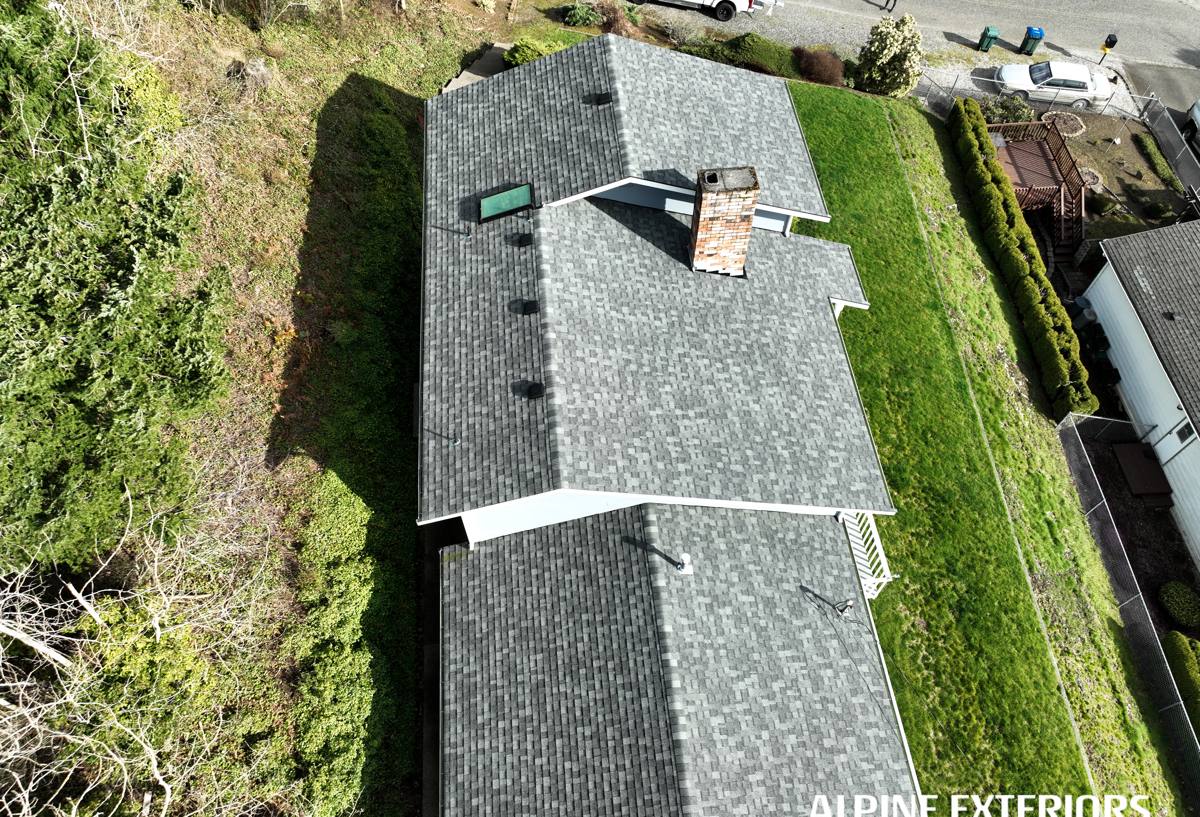
Chimneys, skylights, vent pipes, and roof-to-wall transitions are where the overwhelming majority of leaks actually start — almost never in the open field of shingles. New step flashing, counter-flashing, and pipe boots go in at every one of these points, not just wherever the old flashing happened to still look intact.
Ventilation
Balanced intake and exhaust ventilation keeps attic temperatures and moisture in check, which protects both the roof deck from underneath and the shingles from overheating. We evaluate existing ridge vents, soffit vents, and attic airflow as part of every installation rather than assuming what's already there is adequate.
Fastening and wind-rated installation
Nail placement, nail count per shingle, and starter strip application are all dictated by the wind zone Lutz falls under. We follow manufacturer specifications for high-wind installation, which typically means more fasteners per shingle than a standard installation elsewhere in the country.
Final details
Drip edge, ridge cap installation, and cleanup of the property — magnetic sweep for nails included — close out the job.
Material Options for Lutz Homes
| Material | Typical Lifespan Here | Trade-offs to Know |
|---|---|---|
| Architectural asphalt shingle | 20-30 years | Best value; performance depends heavily on install quality and wind rating chosen |
| 3-tab asphalt shingle | 15-20 years | Lower upfront cost but lower wind rating and shorter service life in our climate |
| Metal roofing | 40-50+ years | Higher upfront cost; excellent wind and UV performance; requires experienced installers for proper seams and fastening |
| Tile (concrete or clay) | 40-50+ years | Strong regional fit and appearance; heavier structural load and higher repair cost per tile |
We don't push one material as universally "best" — the right choice depends on your home's structure, your budget, and how long you plan to own the property. What we won't do is install a wind-rated system below what your roof's exposure calls for just to hit a lower price point; that's a decision that costs homeowners far more the first time a real storm comes through.
Our Process, Start to Finish
- Free on-site inspection. We walk the roof and attic, check for structural or ventilation issues, and give you an honest read on condition — not every roof that looks rough from the ground actually needs full replacement.
- Written estimate. Material options, scope of work, and price laid out clearly, no vague line items.
- Permitting. We pull the required Hillsborough County roofing permit and handle inspections — this isn't optional work-around territory, and it protects you if there's ever an insurance claim down the line.
- Scheduling around weather. Florida's rain patterns mean we plan installs with realistic weather windows and protect the open deck if conditions shift mid-job.
- Installation. Tear-off, deck repair as needed, underlayment, flashing, ventilation check, and shingle or material installation per manufacturer and code specification.
- Final walkthrough and inspection sign-off. We review the finished roof with you and make sure the county inspection is closed out.
Why a Crew That Already Works Lutz Matters
Roofing crews that mainly work other markets don't always know the specific wind exposure categories, permitting quirks, or common construction types found in Hillsborough County neighborhoods like Lutz. A crew that already works this area brings a few practical advantages: familiarity with the county permitting office and inspection process, an understanding of which older Lutz-area homes tend to have specific decking or ventilation issues, and enough local job volume to keep material lead times and scheduling predictable rather than guesswork.
There's also a simple accountability factor. A contractor who works in your neighborhood regularly has a reputation to maintain there — that's a different incentive structure than an out-of-town crew that won't be back.
Signs Your Roof May Need Replacement, Not Repair
- Shingles that are curling, cracking, or losing granules in patches rather than isolated spots
- Daylight visible through the roof deck from inside the attic
- Soft or spongy spots when walking the roof
- Repeated leaks in different locations after previous repairs
- Roof age approaching or past the manufacturer's expected service life for your material
- Visible sagging along the roofline or in the decking
- Missing or lifted shingles after recent storm activity
If your roof shows one or two of these signs isolated to a small area, a repair may genuinely be the more sensible move — we'll tell you that during the inspection rather than defaulting to a full replacement recommendation.
What Affects Cost
| Factor | Why It Matters |
|---|---|
| Roof size and pitch | More square footage and steeper slopes increase labor and material needs |
| Material selected | Asphalt, metal, and tile carry different material and labor costs |
| Deck condition | Rotted or damaged sheathing found during tear-off requires replacement, adding to scope |
| Number of penetrations | Chimneys, skylights, and multiple vent stacks each require individual flashing work |
| Ventilation upgrades needed | Adding or correcting ridge and soffit ventilation adds labor but improves long-term performance |
| Layers of existing roofing | Multiple existing layers requiring removal add to tear-off time and disposal cost |
Because these factors vary so much house to house, we don't quote sight-unseen over the phone — an accurate number requires seeing your actual roof and attic.
Get a Free, No-Pressure Estimate
If your Lutz home is due for a new roof, or you just want an honest opinion on whether repair is still on the table, we're happy to come take a look. There's no cost and no obligation — just a straightforward inspection and a clear estimate you can use to make the right call on your timeline. Use the form below to request your free estimate.