 Tampa Siding
 What Plant City Roofs Are Up Against
Plant City sits inland from Tampa Bay but that doesn't buy your roof much of a break. You still get the full menu: hurricane-force wind gusts during the June-through-November storm season, some of the most intense year-round UV exposure in the continental U.S., wind-driven rain that finds every gap in flashing and underlayment, and enough humidity most of the year to keep organic growth and moisture problems active twelve months out of twelve. Add in the afternoon thunderstorm pattern that hits inland Hillsborough County almost daily in summer, and a roof here works harder than one in most other parts of the country.
A roof that's "fine" somewhere else can fail early in Plant City if it wasn't built for this specific combination of heat, UV, and wind. That's the standard we install to — not the minimum code allows, but what actually holds up on a house in this climate.
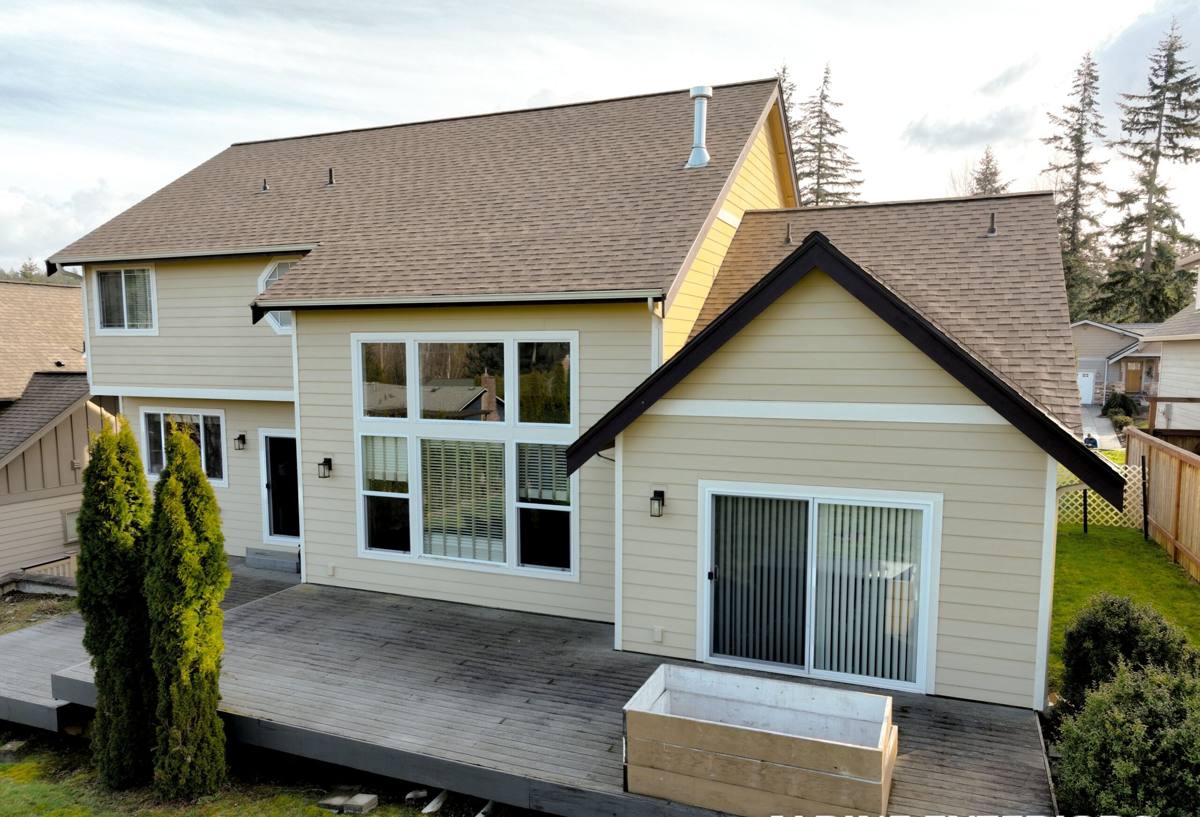
Signs a Plant City Home Needs a New Roof, Not Another Repair
Roof repairs make sense when the damage is isolated and the roof underneath is still sound. A full replacement makes sense when the roof itself — not just one spot on it — is past the point where repair is the honest answer. Common signs we see on Hillsborough County homes:
- Shingles that are cupping, curling, or losing granules across large sections, not just one slope
- A roof at or past its rated lifespan, especially if it's never been fully inspected after a major storm
- Soft decking, sagging areas, or daylight visible through the attic
- Recurring leaks in different spots each time it rains hard, rather than one consistent trouble area
- Visible storm damage — creased shingles, exposed nail heads, lifted ridge caps — after high winds
- An insurance company flagging the roof's age or condition on a renewal
If you're not sure which category your roof falls into, that's exactly what an honest inspection is for. We'll tell you straight if repair is the right call — a full replacement isn't always the answer, and we'd rather earn the bigger job later than talk you into one you don't need yet.
Why "Fine From the Ground" Isn't the Same as Fine
UV breaks down asphalt shingle oils and granule adhesion from the top down, long before a leak shows up inside the house. By the time you see a stain on a ceiling, the underlying deck and underlayment may have been compromised for a while. That's part of why we walk the roof and check the attic, not just look up from the driveway.
What a Correct New Roof Installation Actually Involves
A new roof is only as good as the layers nobody sees once it's done. In Hillsborough County's climate, each of these steps matters more than it would somewhere drier and calmer:
Tear-Off and Deck Inspection
We remove the old roofing system down to the deck rather than layering over it. That's the only way to actually see what's underneath — soft spots, water-damaged plywood, or areas where past leaks did more damage than was visible from inside. Any compromised decking gets replaced before anything new goes on top; installing a new roof over a bad deck just hides the problem for a while.
Underlayment and Moisture Protection
Given how much wind-driven rain this area gets, underlayment choice matters. Self-adhering underlayment at eaves, valleys, and other vulnerable areas gives you a secondary water barrier if wind ever drives rain up under the shingles — which it will, eventually, in a strong enough storm.
Flashing
Flashing around chimneys, skylights, vent pipes, and roof-to-wall transitions is where most leaks actually originate, not in the field of the roof itself. We install new flashing rather than reusing old pieces, and we take the time to get the details right at every penetration.
Wind-Rated Fastening
Nailing pattern and fastener count matter for wind resistance, and it's an area that's easy to shortcut and hard to inspect after the fact. We follow manufacturer specifications for wind-rated installation appropriate to Hillsborough County's exposure, not just the fastest pattern.
Ventilation
Attic ventilation affects both shingle life and energy costs. A hot, poorly ventilated attic bakes shingles from underneath and drives up cooling bills in a climate where AC already runs most of the year. We check existing ventilation and correct it as part of the job when it's inadequate, rather than leaving it as-is and letting it shorten the life of the new roof.
Material Options for Plant City Homes
There's no single "best" roofing material — the right choice depends on your budget, how long you plan to stay in the home, and how much maintenance you want to deal with. Here's how the common options compare for this climate:
| Material | Typical Lifespan | Wind/UV Performance Here | Trade-Offs |
|---|---|---|---|
| Architectural asphalt shingle | 20-30 years | Good with proper wind-rated installation and high-quality shingle line | Best value; requires correct installation to hit its rated wind resistance |
| 3-tab asphalt shingle | 15-20 years | Lower wind rating than architectural shingles | Lower upfront cost but shorter life and less wind resistance in this climate |
| Metal (standing seam) | 40-70 years | Excellent wind and UV resistance; reflects heat | Higher upfront cost; installation quality is critical to prevent oil-canning and leaks |
| Tile (concrete or clay) | 50+ years | Very good once properly fastened; common in this region | Heavier — requires structural check; individual tiles can crack from impact |
Whatever material you choose, the installation quality matters more than the brand name on the shingle wrapper. A premium shingle installed with a shortcut nailing pattern will underperform a mid-grade shingle installed correctly.
Our Process, Start to Finish
- Inspection and honest assessment — we walk the roof, check the attic, and tell you what we actually find, including if repair is a reasonable option
- Written estimate — clear scope, materials, and pricing, no vague line items
- Material selection — we walk you through the trade-offs for your budget and how long you're planning to own the home
- Scheduling around weather — Florida's afternoon storm pattern means timing matters; we plan installs to minimize the roof being open during a squall
- Tear-off, deck repair, and installation — done to manufacturer specs, not just to code minimums
- Cleanup and final walkthrough — magnetic sweep for nails, debris hauled off, and a walkthrough so you know exactly what was done
Why Local Experience in Plant City Matters
A crew that regularly works Hillsborough County knows the practical stuff that doesn't show up on a spec sheet — how the local permitting office wants things submitted, what inspectors here actually check, and how to sequence a job around the region's storm patterns instead of getting caught with an open roof mid-downpour. We're also around after the job's done. If a question comes up two years from now, you're not chasing down a company that only worked here for one job and left.
What to Ask Before Hiring Anyone for a New Roof
- Are you licensed and insured to work in Hillsborough County, and can you provide proof?
- Will you tear off the old roof and inspect the deck, or install over the existing layer?
- What underlayment and flashing will you use, specifically — not just "we'll handle it"?
- What's the manufacturer's wind rating for the installation method you're using?
- Is the workmanship backed by a separate warranty from the material warranty?
- Do you pull the required permits and schedule inspections, or leave that to me?
Cost Factors to Understand Before You Get Quotes
Roofing quotes can vary a lot, and the cheapest number isn't always the best value. Understanding what drives cost helps you compare estimates on an apples-to-apples basis:
- Roof size and pitch — steeper roofs take longer and require more safety equipment
- Number of layers to remove — tearing off two old layers costs more than one
- Deck condition — hidden rot or water damage found during tear-off adds material and labor
- Material choice — architectural shingle, metal, and tile carry very different price points
- Roof complexity — valleys, dormers, chimneys, and skylights all add flashing work
- Ventilation upgrades — correcting inadequate attic ventilation adds to the scope but pays off in shingle life and energy costs
A detailed, written estimate should break these out so you can see exactly what you're paying for — not just a single bottom-line number.
Get an Honest Look at Your Roof
If your Plant City home's roof is showing its age, took a hit in a recent storm, or you're just trying to plan ahead before it becomes an emergency, we'll come take a real look and give you a straight answer about what it needs. There's no pressure and no obligation — just an honest assessment from a crew that works in this climate and this county regularly. Fill out the form below to schedule a free estimate.