 Tampa Siding
 Building New in New Tampa? The Windows Are Not an Afterthought
New Tampa has been one of the busiest growth corridors in Hillsborough County for years — new subdivisions, infill lots, and custom builds going up steadily north of downtown Tampa. If you're building new here, the windows you choose and how they're installed will do more work than almost any other component of the shell. They're structural, they're a weather barrier, and they're the single biggest factor in how much heat and UV your home takes on every single day. Get them right during construction and you won't think about them again for twenty years. Get them wrong and you're chasing leaks, fogged glass, and stuck sashes long before the mortgage is paid off.
New Construction Is a Different Job Than Replacement
Replacing a window in an existing wall means working around finished drywall, trim, and siding that's already there. New construction is the opposite — we're setting windows into a rough opening before the exterior finish goes on, which means the flashing, the nailing fin, and the water management plane all have to be sequenced correctly with the house wrap and siding installer. There's no room to "fix it later" once siding covers the opening. This is exactly why new-construction window work should be planned with your general contractor from the framing stage, not bid separately after the fact.
What Hillsborough County Permitting Expects
Windows installed in new Hillsborough County construction have to meet current Florida Building Code wind load requirements for our region, and most of New Tampa falls inside Florida's wind-borne debris zone, which means the openings need either impact-rated glass or approved impact protection. Every window on a new build needs a product approval number tied to the design pressure for that specific opening size and wall location — a big window on a gable end doesn't carry the same rating as a small one on a protected wall. We pull the product approvals and match them to the plans before anything gets ordered, so inspection isn't a surprise.
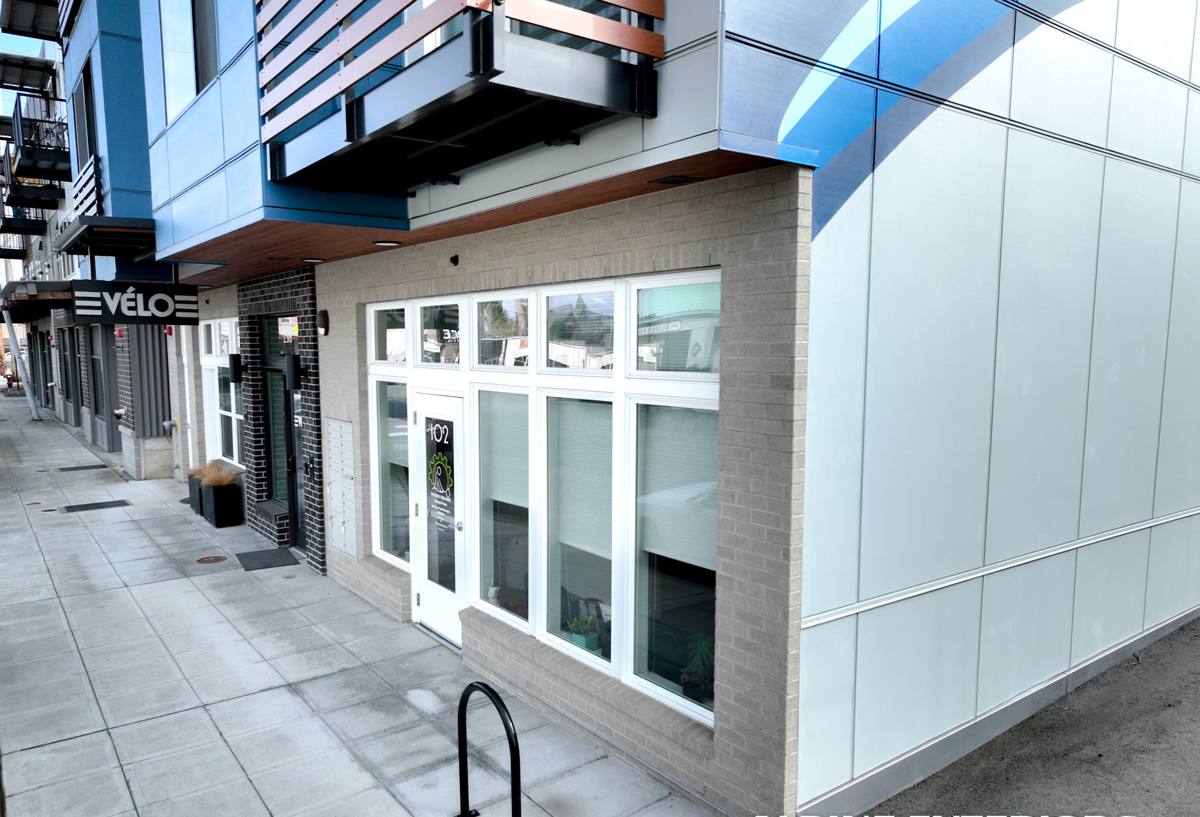
What New Tampa's Climate Actually Demands From a Window
Florida's Gulf Coast throws a lot at a house over the course of a year, and Hillsborough County gets the full menu: hurricane-force wind gusts during storm season, sun that's intense nearly twelve months a year, sideways rain that finds every gap, and salt-laden air riding in off Tampa Bay that corrodes anything not built for it. New Tampa sits inland from the bay, but the air moisture, humidity swings, and storm exposure are still very real here — this isn't a climate where a standard-grade window purchased for a cooler region holds up.
Hurricane-Force Wind and Impact Resistance
Wind doesn't just push on glass — it drives pressure changes through the whole building envelope. A window that isn't rated for the design pressure on that wall can flex, leak, or fail outright in a strong storm, and a failed window during a hurricane can lead to catastrophic pressure loss inside the house. On new construction we size every opening to its actual wind load, not a generic "hurricane window" label, because the rating requirement changes by wall location, building height, and exposure category.
Wind-Driven Rain
Tampa-area storms rarely drop rain straight down — it comes in sideways, and a lot of water intrusion problems trace back to flashing details around the window opening, not the window itself. This is where new construction has an advantage over replacement: we can install a proper sloped sill pan, integrate the flashing tape with the house wrap in the correct shingle-lap order, and seal the nailing fin before siding ever goes on. Once that's buried under exterior finish, it's either right or it's a future repair call.
Year-Round UV Exposure
Central Florida sun is intense for most of the calendar year, and unprotected glass will fade flooring, furniture, and window treatments while driving up cooling costs. Low-E coatings block a meaningful share of solar heat gain without darkening the glass noticeably, and on a new build it costs very little extra to spec the right glass package up front compared to upgrading it later.
Salt Air and Corrosion
Proximity to Tampa Bay means salt content in the air is higher here than in most inland U.S. markets, and it accelerates corrosion on hardware, screens, and lower-grade aluminum components. We spec corrosion-resistant hardware and finishes on new-construction windows as a standard practice in this area, not an upgrade — it's cheaper to do right the first time than to replace pitted hardware in five years.
Choosing the Right Window for a New Tampa Build
Frame Material
Frame material affects cost, maintenance, and how the window performs over time in our humidity and heat. Here's how the common options compare for new construction in this climate:
| Frame Material | Heat & Humidity Behavior | Maintenance | Typical Fit |
|---|---|---|---|
| Vinyl | Good insulator, won't rust; can expand/contract with heat if poorly engineered | Low — no painting, occasional cleaning | Most common choice for new residential builds |
| Aluminum | Strong for large openings, conducts heat unless thermally broken | Low, but coastal-grade finish matters | Larger openings, contemporary designs |
| Fiberglass | Very stable in heat, minimal expansion | Low | Higher-end builds, larger custom openings |
| Wood/wood-clad | Poor humidity tolerance without diligent upkeep | High — requires ongoing sealing/painting | We generally steer builders away from bare wood exteriors in this climate |
We don't install bare wood-exterior windows on new Tampa-area builds as a matter of standard practice — not because wood windows are bad everywhere, but because Florida humidity and wind-driven rain create a maintenance burden most homeowners don't want to keep up with for the life of the house. If a design calls for a wood look, a wood-interior/clad-exterior unit gets the appearance without the exposure risk.
Glass Package
For new construction we typically discuss impact-rated laminated glass (which also satisfies wind-borne debris requirements without separate shutters), Low-E coatings tuned for solar heat gain reduction, and insulated dual-pane units for energy performance. The right combination depends on the wall's orientation, sun exposure, and whether the builder wants impact glass covering the entire house or a mix of impact and protected openings.
How We Install New-Construction Windows Correctly
Sequencing With the Build
New-construction window installation happens after framing and house wrap, before siding or stucco. We coordinate directly with your builder's schedule so the rough openings are framed to the correct dimensions, the sill pan and flashing go in before the window, and the window gets set, shimmed level and plumb, and fastened through the nailing fin per the manufacturer's approved installation instructions — those instructions are part of what the product approval is based on, so skipping steps isn't just sloppy, it can void the rating.
Sealing and Flashing Order Matters
Every layer has to shed water to the layer below it, working from the top down — this is the detail that separates a window that stays dry for decades from one that leaks the first hard rain. Head flashing goes over the top fin, side flashing laps over the sill pan, and the house wrap laps over all of it. Sealant is a backup, not the primary defense; a window that depends entirely on caulk to stay dry is a window that will eventually leak once that caulk ages.
Our Step-by-Step Process
- Review plans and window schedule with your builder or architect; confirm design pressure requirements by opening
- Verify product approvals match each opening's wind load and impact requirements
- Site walk to confirm rough opening sizes before ordering
- Order windows and schedule installation around the builder's framing/dry-in timeline
- Install sill pan flashing, set and level each window, fasten per manufacturer specification
- Integrate head and side flashing with house wrap in correct shingle-lap sequence
- Seal interior and exterior per manufacturer instructions
- Final walkthrough and documentation for county inspection
Cost Factors on a New-Construction Window Project
Costs vary a lot by house size, opening count, and glass package, so we won't quote a number without seeing the plans — but these are the factors that actually move the price:
| Factor | Why It Matters |
|---|---|
| Number and size of openings | More glass area and larger units cost more, and large openings often need higher design pressure ratings |
| Impact glass vs. impact protection systems | Impact-rated glass costs more per unit but eliminates the need for shutters or panels |
| Frame material | Vinyl is typically the most economical; fiberglass and aluminum run higher |
| Wall exposure category | Corner units and upper-floor openings on exposed walls often need higher-rated (costlier) products |
| Custom shapes and sizes | Non-standard openings (arches, oversized units) are priced above stock sizes |
Mistakes We See on New Construction Jobs — and How to Avoid Them
- Ordering windows before confirming actual rough opening dimensions on site
- Skipping or shortcutting the sill pan flashing because "the caulk will handle it"
- Mixing window brands or product lines mid-project without checking whether approvals still line up per opening
- Installing house wrap in the wrong lap order relative to the window flanges
- Choosing glass packages based on price alone without accounting for the wall's sun exposure
- Not documenting product approvals clearly enough for the county inspector, causing delays
Most of these come down to sequencing and documentation, not the windows themselves — which is exactly why the crew doing the install matters as much as the product you buy.
Why a Crew That Already Works New Tampa Makes a Difference
New Tampa's building department, its typical soil and slab conditions, and the pace of new subdivisions here are all things a crew learns by doing the work locally, over and over. We already know what design pressures are typical for the walls and heights being built in this area, which product approvals hold up to Hillsborough County review without back-and-forth, and how to sequence with the builders and trades already working these neighborhoods. That familiarity shows up as fewer inspection delays and fewer surprises once the house is dried in.
After the Windows Are In
New-construction windows installed correctly need very little from you — periodic cleaning of tracks and weep holes, an occasional check that weatherstripping and hardware are still moving freely, and keeping an eye out after major storms for any new drafts or moisture at the sill. Because the flashing work is buried under siding once construction is finished, any issue that does show up years later usually needs a contractor who understands how the original installation was built, not just a window replacement company.
If you're planning a new build or a major addition in New Tampa, we're glad to walk the plans with you, talk through the glass and frame options that make sense for the site, and give you a straightforward, no-pressure estimate — just fill out the form below.