 Tampa Siding
 Why Riverview Roofs Take More Punishment Than People Expect
Riverview sits in the fast-growing southern stretch of Hillsborough County, close enough to Tampa Bay that the same climate forces hitting the coast still reach every roof here. Homeowners often assume roof damage is only a hurricane problem, but the truth is your roof is under stress almost every day of the year. Intense, near-constant UV exposure bakes shingles from above, wind-driven summer thunderstorms push rain sideways under flashing, and the salt-laden air drifting inland from Tampa Bay slowly corrodes exposed metal components. None of these forces get a season off in Florida — they just change intensity.
UV and Heat Cycling
Florida sun is harder on roofing than most other climates because it's paired with heat, not just light. Shingle surfaces expand in the afternoon heat and contract overnight, day after day, which gradually breaks down the asphalt mat and dries out the sealant strips that hold shingle tabs together. Once that sealant loses its grip, wind has an easier time getting underneath the shingle edge.
Wind-Driven Rain and Afternoon Storms
Riverview gets the same pattern as the rest of the Tampa Bay area — fast-building afternoon storms with strong horizontal rain. That sideways-driven water finds its way into gaps around flashing, vent boots, and shingle edges that would never leak in a straight-down rain. It's one of the main reasons a roof can look fine from the ground and still be leaking into the attic.
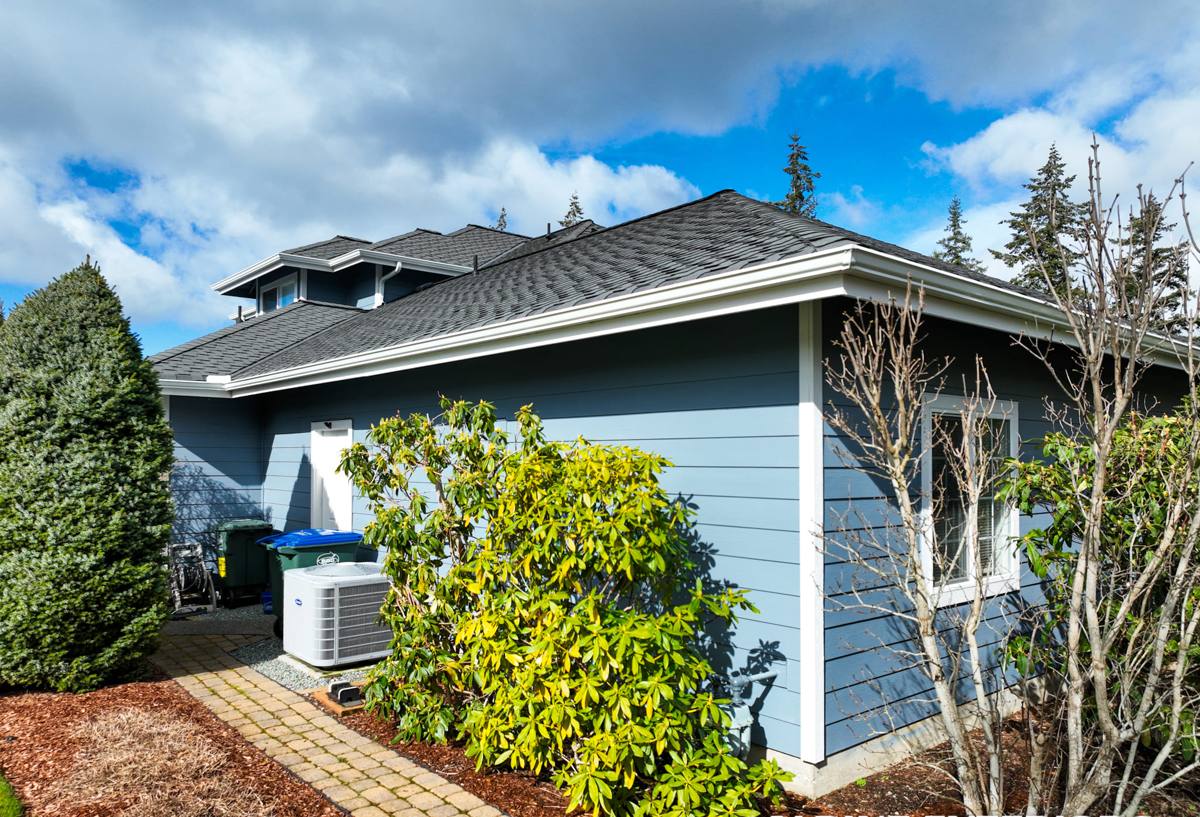
Common Roof Repair Issues We See in Riverview Homes
A large share of Riverview's housing stock went up during the county's major growth years, which means a lot of roofs are now old enough to show wear but young enough that homeowners assume they're fine. A few patterns show up again and again.
Wind and Storm Damage
After a strong storm or hurricane-force wind event, shingles can be lifted, creased, or torn loose without an obvious hole appearing right away. Missing granules, lifted tabs along the roof edges and ridge, and shingles that look slightly "off" in one section are early signs worth having checked before the next storm finds that weak spot.
Flashing and Penetration Leaks
Plumbing vent boots, chimney flashing, and skylight flashing tend to fail well before the shingle field does. Rubber vent boot collars dry out and crack under Florida sun years ahead of the shingles around them, and that small, easy-to-miss failure is one of the most common leak sources we're called out to fix.
Aging Builder-Grade Roofing
Many original roofs installed during initial subdivision construction used standard builder-grade materials. That's not a defect — it's a normal cost decision at construction time — but it does mean those roofs are now reaching the point where nail pops, granule loss, and minor sealant failures become routine repair items rather than one-time surprises.
What a Correct Roof Repair Actually Involves
Not every repair is created equal, and roof repair is one of the easiest jobs to do badly without it being obvious for a year or two. A correct repair starts with finding the real source of the problem, not just the spot where water showed up inside the house — water can travel several feet along the decking or underlayment before it drips through a ceiling, so the entry point and the stain are often not in the same place.
Once the source is confirmed, the damaged section needs to be opened up enough to replace compromised material properly — decking, underlayment, and shingles as needed — rather than layering a patch over a problem that will keep moving. Flashing details matter as much as the shingles themselves; a repair that reuses old, corroded flashing or reseals it with sealant instead of replacing it is a repair that's likely to fail again.
Our Roof Repair Process
Our process is the same whether the job is a single cracked vent boot or storm damage across a whole slope. Consistency is what keeps a repair from becoming a callback.
- Inspection. We walk the roof and the attic when accessible, looking for the actual leak path, not just the visible symptom.
- Diagnosis and documentation. We explain what's actually wrong in plain terms and document the damage, which is also useful if you end up filing an insurance claim.
- Written scope and estimate. You get a clear, itemized explanation of what we're repairing and why, before any work starts.
- The repair. Damaged materials are removed and replaced with compatible products, flashing is redone rather than resealed, and fasteners are set to spec.
- Cleanup and haul-away. Old materials and debris leave with us — nails and granules get magnet-swept from the yard.
- Final walk-through. We show you what was done and answer questions before we consider the job finished.
Repair or Replace? How We Help You Decide
Not every damaged roof needs full replacement, and not every leak is best solved with another patch. We give you an honest read on which side of that line your roof is on, based on a few key factors.
| Factor | Leans Toward Repair | Leans Toward Replacement |
|---|---|---|
| Roof age | Under 12–15 years | Approaching or past expected service life |
| Damage extent | Isolated to one area or penetration | Spread across multiple slopes |
| Repair history | First or second repair in this area | Same spot repaired repeatedly |
| Granule loss | Localized, matches age | Widespread, shingles look bald |
| Decking condition | Solid, dry when opened up | Soft, delaminated, or water-stained |
We'll tell you plainly if a repair is a reasonable fix or if it's just delaying a replacement you'll need soon anyway — that call belongs to you, but it should be an informed one.
Materials and Repair Compatibility
Matching a repair to an existing roof isn't always simple. Shingle colors and profiles change over time, so a repair on an older roof — especially standard three-tab shingles — may not blend perfectly even with a close color match. We're upfront about that before starting rather than promising an invisible repair we can't guarantee. On architectural shingle roofs, matching is usually easier since those profiles have longer production runs.
For flashing, we use corrosion-resistant metal appropriate to the exposure rather than the cheapest option that happens to fit, since salt-influenced air in this part of Hillsborough County shortens the life of lower-grade metal faster than it would inland. Underlayment and fasteners are matched to what the rest of the roof uses so the repaired section behaves the same way the original system was designed to.
Why a Crew That Already Works in Riverview Matters
A roofer who's already familiar with Riverview shows up knowing things that save time and avoid mistakes: which roof systems and shingle lines were common in the area's major building phases, what Hillsborough County's permitting requirements are for the scope of work involved, and how local HOA architectural standards — common in Riverview's planned communities — affect what's allowed for color and material changes on a repair.
Local presence also matters after a storm. When wind or hail damage hits a neighborhood, homeowners need a crew that can actually get to them in a reasonable window, not one working a route hours away. A contractor who already services Tampa and the surrounding Hillsborough County area isn't starting from scratch every time they get a call here.
Roof Repair Checklist for Riverview Homeowners
You don't need to climb on your roof to catch most warning signs early. A few minutes of looking from the ground and the attic can flag problems before they become interior damage.
- Granules collecting in gutters or at downspout outlets
- Shingle edges that look curled, cupped, or lifted
- Any daylight visible through the roof deck from inside the attic
- Ceiling stains, even faint ones, especially after a storm
- Missing or visibly torn shingles following high wind
- Soft or spongy spots when walking the roof (leave this to a professional)
- Dark streaking or moss growth, which holds moisture against the surface
- Cracked or dried-out rubber around plumbing vent pipes
Insurance, Permits, and Storm Damage in Hillsborough County
Roof repairs tied to storm damage often intersect with insurance and permitting. Hillsborough County requires permits for certain repair scopes, and we handle that process as part of the job rather than leaving it to you. If your repair is storm-related, we document the damage with photos and a clear written scope, which you're free to submit with an insurance claim — we're straightforward that we can't guarantee how an insurer will rule, but a well-documented repair estimate makes that conversation easier on your end. Wind mitigation features already on your roof can also affect both your premium and your claim, and we'll flag anything relevant we notice during inspection.
If you're dealing with a leak, storm damage, or just want an honest opinion on a roof that's showing its age, we're happy to take a look. Request a free, no-pressure estimate using the form below and we'll walk you through exactly what we find and what it would take to fix it right.