 Tampa Siding
 Why Riverview Roofs Wear Out Faster Than the Warranty Suggests
Riverview sits in the thick of what Tampa Bay throws at a roof: long, brutal UV exposure, humid Gulf air that never really lets a roof dry out, sudden afternoon thunderstorms almost daily in summer, and the real possibility of a hurricane-strength wind event most years. A shingle rated for a 30-year lifespan somewhere in the Midwest doesn't get 30 years here. Manufacturers write their warranties around average national conditions, and Hillsborough County is not average.
Sun and Heat Load
Florida sun bakes asphalt shingles from above while attic heat bakes them from below. That two-sided heat cycle dries out the asphalt oils that keep shingles flexible, and brittle shingles crack, curl, and lose granules years before a shingle in a milder climate would. Dark colors run hotter, which matters when you're picking a shade for a Riverview home.
Wind-Driven Rain and Afternoon Storms
It's not just how much rain falls — it's the angle it falls at. Wind-driven rain during a summer storm can push water sideways under shingle tabs, around poorly sealed flashing, and into nail penetrations that a light, straight-down rain would never reach. A roof that's fine in a gentle shower can still leak in a fast-moving Tampa Bay storm cell.
Hurricane Season Realities
Riverview isn't immune to tropical systems, and even a roof that never takes a direct hurricane hit still spends every June through November under threat of high sustained winds and gusts. Uplift at the edges and corners of a roof is where failures start, which is exactly why fastening pattern and edge detail matter more here than the shingle brand printed on the wrapper.
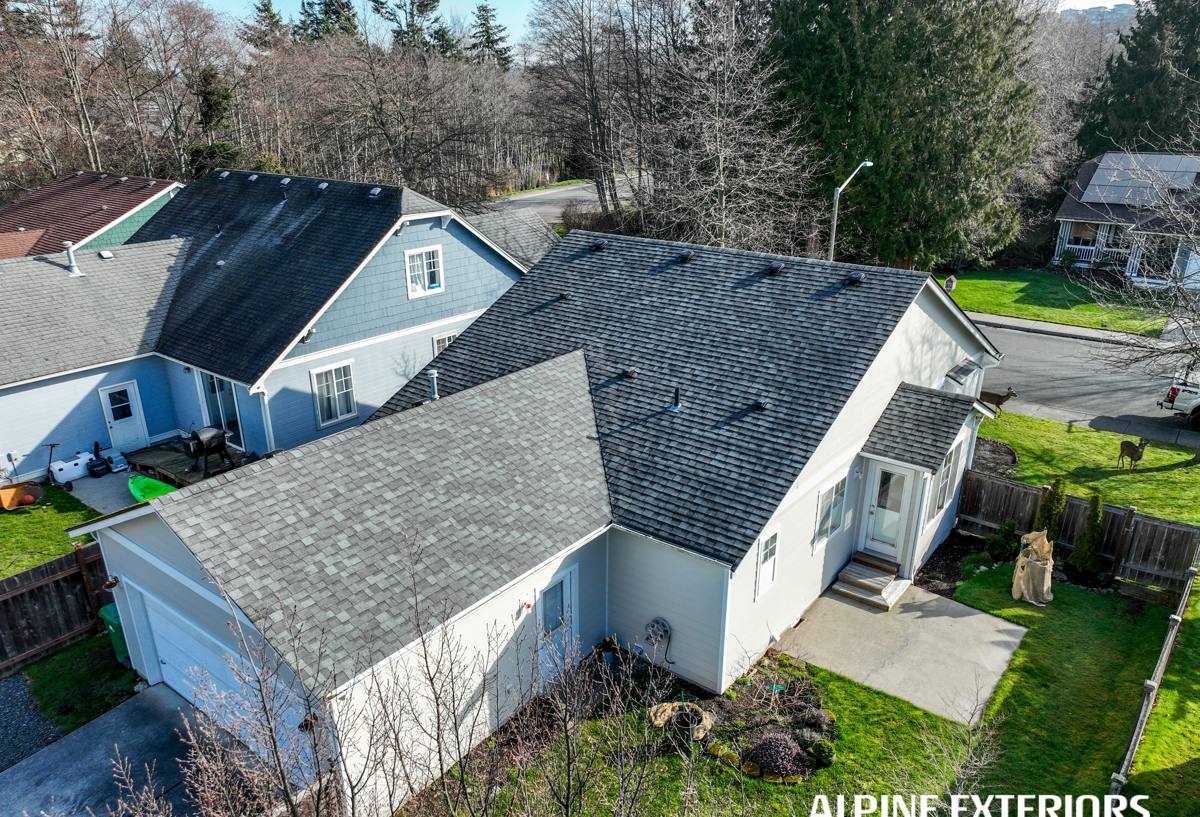
What a Correct Roof Replacement Actually Involves
A roof replacement is more than stripping old shingles and nailing down new ones. Every layer under the visible surface is doing a job, and skipping or rushing any of them is how a "new roof" leaks in its second year.
Tear-Off and Deck Inspection
A full tear-off removes the old roofing down to the wood deck. This is the only point in the job where anyone can actually see the plywood or OSB underneath. Soft, delaminated, or water-stained decking gets replaced before anything new goes down — covering rotten decking with new shingles just hides the problem for the next owner to find.
Underlayment and Water Barrier
The underlayment is the roof's backup layer if wind or wear ever compromises the shingles themselves. In a climate with this much wind-driven rain, a synthetic underlayment or a self-adhering peel-and-stick membrane at eaves, valleys, and penetrations gives real protection instead of the bare minimum felt paper some builders use to hit a price point.
Flashing Details
Flashing around chimneys, skylights, sidewalls, and roof-to-wall transitions is where the majority of "mystery leaks" actually start. New step flashing, counterflashing, and properly sealed penetrations matter more to long-term dryness than the shingle itself.
Ventilation
Attic ventilation controls heat and moisture buildup, which affects both shingle life from underneath and energy bills in a Tampa summer. A correct replacement checks that intake and exhaust venting are balanced, not just present.
Material Options for Riverview Homes
There's no single "best" roofing material — there's the material that fits the home's structure, the budget, and how much of the local climate's abuse the homeowner wants to plan around.
| Material | Typical Lifespan Here | Wind Performance | Heat Behavior |
|---|---|---|---|
| Architectural asphalt shingle | 15-25 years in this climate | Good when installed with the correct nailing pattern and sealed properly | Absorbs heat; lighter colors run cooler |
| 3-tab asphalt shingle | 12-18 years | Lower wind rating than architectural shingles | Similar heat absorption, thinner profile |
| Standing seam metal | 40+ years | Excellent uplift resistance when properly fastened | Reflects more heat with the right coating |
| Concrete or clay tile | 30-50 years | Heavy and wind-resistant, but individual tiles can crack from impact | Good thermal mass, but structure must support the weight |
We don't push one product line on every roof. What we install on a Riverview home depends on the roof's pitch, the framing underneath, the homeowner's budget, and how long they plan to stay in the house.
Permits, Code, and Wind Mitigation in Hillsborough County
A legitimate roof replacement in Hillsborough County goes through permitting and inspection — that's not paperwork for its own sake, it's the county confirming the roof meets current wind and building code before it gets signed off. Skipping the permit might save a few days, but it can cause real problems at resale, with insurance claims, or if the work doesn't hold up.
After the new roof passes inspection, it's worth getting a wind mitigation inspection done. Insurers in Florida offer premium credits for roof features like the shape, the fastening method, and the presence of a secondary water barrier. A new roof is one of the few times those credits are easy to capture, and it can meaningfully offset the homeowner's insurance costs going forward.
Our Process for a Riverview Roof Replacement
- On-site inspection. We walk the roof and the attic, check the decking where accessible, and look at flashing, ventilation, and any existing damage before quoting anything.
- Material and scope review. We go over material options, what the county's permit will require, and give a written estimate with no vague allowances hiding in the fine print.
- Permitting. We pull the Hillsborough County permit before work starts, not after.
- Tear-off day. Old roofing comes off, the deck gets inspected in daylight, and any bad plywood or OSB gets flagged and replaced.
- Dry-in. Underlayment and flashing go down the same day the deck is exposed whenever possible — an open deck overnight in Tampa Bay is a risk we plan around, not one we leave to chance.
- Installation. Shingles, metal, or tile go on to manufacturer specification and local code, including the fastening pattern the wind zone requires.
- Final inspection and cleanup. The county inspector signs off, and the property gets cleared of debris and stray nails before we consider the job done.
Why a Crew That Already Works Riverview Matters
Roofing crews that work Riverview and the surrounding Tampa area regularly know the Hillsborough County permitting office's actual requirements, not just the general Florida Building Code text. They know what inspectors here look for, how HOA architectural guidelines in the area tend to run, and what roof problems show up most often on homes of the age and construction common to this part of the county. That familiarity shortens the permitting timeline and reduces the odds of a failed inspection over a detail an out-of-town crew wouldn't think to check.
There's also the practical matter of being reachable. A roof issue after a storm doesn't wait for a contractor to drive in from another county. A crew already working in the area can get eyes on a problem, or back to finish a job, without a homeowner losing days to travel time.
Cost Factors for a Riverview Roof Replacement
Every roof is priced on its own specifics, but the same handful of factors move the number up or down on almost every job:
- Roof size and pitch — steeper roofs take longer and require more safety setup
- Number of existing layers that have to come off
- Condition of the decking once it's exposed
- Material chosen (asphalt shingle, metal, or tile)
- Complexity of the roofline — valleys, dormers, chimneys, and skylights all add labor
- Accessibility of the property for material delivery and disposal
- Permit and inspection fees set by Hillsborough County
Broad ranges for asphalt shingle replacement on an average single-family home in this area typically run from the mid four figures to the low five figures; metal and tile cost more up front but stretch that cost over a much longer lifespan. Any contractor should be able to walk through where your number comes from, line by line.
Signs Your Riverview Roof Needs Replacing, Not Just Repair
Not every roof problem calls for a full replacement, but these are the signs that patching is likely just delaying the inevitable:
- Shingles that are curling, cupping, or losing granules across large sections of the roof
- Multiple past repairs in different areas rather than one isolated issue
- Visible sagging anywhere on the roofline
- Daylight visible through the attic roof deck
- A roof approaching or past the upper end of its expected lifespan for its material
- Recurring leaks after storms even after previous repairs
If you're only seeing one or two of these, a repair may genuinely be the right call — an honest inspection should tell you which situation you're actually in.
If your Riverview roof is showing its age or storm damage, we'll come take an honest look and give you a straightforward, no-pressure estimate — use the form below to get started.