 Tampa Siding
 Why Seminole Heights Homes Need Windows Built for This Climate
Seminole Heights is one of Tampa's older, established neighborhoods — a mix of early-to-mid-20th-century bungalow and craftsman-style homes alongside newer infill construction and remodels. Whatever the age of the house, the windows in it are fighting the same fight every window in Hillsborough County fights: hurricane-force wind loads, intense year-round UV, wind-driven rain, and salt-laden air drifting in off Tampa Bay. That combination is harder on windows than almost anything else in a home's exterior envelope, because windows are the one component that has to seal, insulate, and structurally hold up all at once.
Older single-pane wood or early aluminum windows common in this part of Tampa were never engineered for current wind-load standards. They were built for a different era of building code, a different expectation of storm frequency, and none of today's impact glass technology. When we replace or custom-fit windows in Seminole Heights, we're not just swapping glass — we're bringing the opening up to what a modern Florida window actually needs to do.
What "Takes a Toll" Actually Looks Like
UV breaks down window seals, vinyl frames, and wood finishes from the inside out, long before it's visible from the curb. Wind-driven rain finds every gap in flashing and caulking and pushes water sideways, not down — which is why a window that's fine in a light shower can leak badly in a squall. Salt air accelerates corrosion on hardware, screws, and aluminum components, especially on the west and south sides of a house that catch onshore breezes. None of these forces act alone; they compound, which is why a window that looks fine at year eight can fail at year ten.
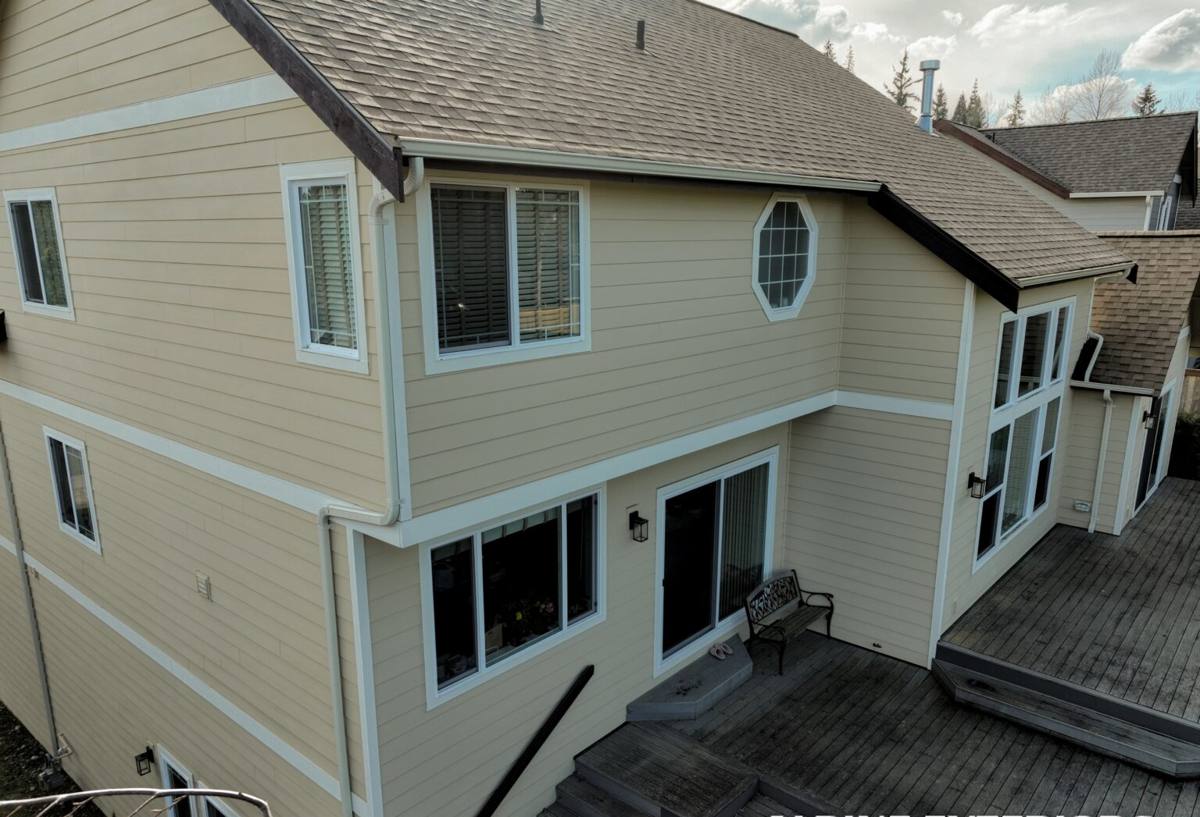
What "Custom" Means for a Window Job
"Custom windows" doesn't mean exotic or expensive — it means the window is sized, engineered, and installed for the specific opening, not pulled off a shelf and forced to fit. That distinction matters more in older Seminole Heights homes than in new construction, because original openings are often slightly out of square after decades of settling, and standard stock sizes rarely match cleanly.
- Exact measurement of each opening, including out-of-square and out-of-level conditions common in older framing
- Frame material and profile chosen to match the home's style — historic bungalow trim details look wrong with the wrong frame width
- Glass package selected for the window's sun exposure (west-facing openings need different solar control than shaded north-facing ones)
- Impact rating or hurricane protection strategy matched to what the opening actually needs under current code
- Flashing and water-management detail designed for that specific wall assembly, not a generic install
Impact Ratings, Code, and What Hillsborough County Requires
Florida's building code sets minimum wind-load and impact requirements for replacement windows, and those requirements are enforced at the county and permit level. Hillsborough County follows the Florida Building Code, which means a legitimate window replacement in Seminole Heights isn't a judgment call — the opening has to meet a specific pressure rating for its location on the house, and if it's within the wind-borne debris region, it needs either impact-rated glass or an approved protective system.
This is also where a lot of cut corners happen. A window can look correct and still fail inspection, or worse, fail in a storm, if it wasn't specified for the right wind zone or if the installation wasn't flashed and anchored to meet that rating. We pull permits and install to the rating the opening requires — not the cheapest option that happens to fit the hole.
Material and Glass Comparison
There's no single "best" window for every Seminole Heights home — it depends on the home's age, style, sun exposure, and budget. Here's how the common options actually compare for this climate:
| Option | Heat/UV Performance | Storm Resistance | Maintenance | Best Fit |
|---|---|---|---|---|
| Vinyl, impact-rated | Good with Low-E glass package | High when properly rated and installed | Low — no painting, resists salt corrosion | Most replacement projects, budget-conscious |
| Aluminum, impact-rated | Moderate; frame conducts heat unless thermally broken | High — strong frame, common in Florida coastal construction | Moderate — watch for corrosion at hardware over time | Larger openings, sliders, homes wanting a slimmer frame profile |
| Wood or wood-composite | Good, but finish must be maintained to hold performance | Depends on hardware and glazing method | Higher — periodic refinishing needed in this UV and humidity | Historic-character homes where exact profile match matters most |
| Non-impact glass + separate shutters/panels | Same as base frame | Only as good as the secondary protection, and only when deployed | Extra step every storm season | Budget-limited situations; not our first recommendation |
For most Seminole Heights homes we recommend impact-rated vinyl or aluminum with a Low-E glass package as the baseline, then adjust frame profile and finish to match the home's character. Wood is a legitimate choice on historic-style homes where the visual match is the priority, but it comes with a real maintenance commitment in this humidity and UV load — that's a trade-off we'll walk through honestly rather than talk you out of it.
Our Installation Process
1. Assessment and Measurement
We inspect each opening for square, level, and the condition of the surrounding framing and sill — rot or water damage found here gets addressed before a new window ever goes in. Installing a correct window into a compromised opening just moves the problem behind new trim.
2. Product Selection
We go over frame material, glass package, and impact rating together, based on that window's sun exposure and the wind zone requirement for its location on the house.
3. Permitting
Window replacement in Hillsborough County generally requires a permit, and impact-rated products need to be documented as meeting the required pressure rating. We handle this as part of the job, not as an afterthought.
4. Removal and Flashing
Old windows come out carefully to avoid damaging surrounding stucco, siding, or trim. The opening gets properly flashed and water-managed before the new unit goes in — this step is where most leaks either get prevented or get built in.
5. Installation and Sealing
The window is set plumb, level, and square, anchored per the manufacturer's and code's fastening schedule, then sealed with the right sealant for Florida's humidity and temperature swings.
6. Final Check
We test operation, check the seal, and walk the finished opening with the homeowner before calling the job done.
Signs Your Current Windows Are Already Behind
- Fogging or condensation between panes — the seal has failed and the insulating gas is gone
- Difficulty opening, closing, or locking, especially after humid weather
- Visible gaps, cracked caulking, or daylight around the frame
- Soft or discolored wood/drywall near the sill, a sign water is already getting in
- Noticeably higher AC bills with no other explanation, particularly on west-facing rooms
- Windows that predate current impact codes, especially in a home that hasn't had them replaced since original construction
Any one of these on its own isn't an emergency, but they tend to show up together, and by the time several appear at once the window has usually already let water or air past the seal more than once.
Maintenance That Actually Extends Window Life Here
Even a correctly installed window needs some upkeep in this climate. Rinse frames and tracks periodically to clear salt residue, especially on homes closer to the bay-facing side of Tampa. Check exterior caulking annually, since UV breaks it down faster here than in most of the country. Keep weep holes clear so water has somewhere to drain instead of pooling at the sill. None of this is heavy maintenance, but skipping it is how a 20-year window turns into a 12-year window.
Why a Crew That Already Works Seminole Heights Matters
Every neighborhood in Tampa has its own quirks, and Seminole Heights is no exception — older framing dimensions, a mix of original and renovated openings, and homes where matching trim profile and sightlines matters for how the finished house looks. A crew that's done work in this specific area already knows what to expect when an opening gets opened up, has a feel for the permitting process with Hillsborough County for this kind of project, and isn't learning the neighborhood's building stock on your dime. That local familiarity shows up in fewer surprises mid-project and a finished product that actually fits the house it's going into.
What Affects the Cost of a Custom Window Job
| Factor | Why It Matters |
|---|---|
| Number and size of openings | More or larger windows means more material and labor |
| Impact rating required | Higher wind-zone ratings and larger impact glass units cost more than standard glass |
| Frame material | Vinyl is generally the most budget-friendly; wood and larger aluminum systems cost more |
| Condition of existing openings | Rot, out-of-square framing, or water damage adds repair work before installation |
| Historic or custom trim matching | Matching original profiles and sightlines takes more fabrication and labor time |
| Permitting and inspection | A properly permitted job includes fees and inspection scheduling as part of the process |
We won't quote a number without seeing the openings — a broad range for a straightforward impact-rated replacement window runs from a modest per-window cost for standard sizes up into a higher range for large or custom-shaped openings. The only way to get an honest figure is a walkthrough.
If you're weighing whether your Seminole Heights home's windows need attention, or you're ready to plan a replacement before the next storm season, we're happy to take a look and give you a straightforward, no-pressure estimate — fill out the form below to get started.