 Tampa Siding
 Deck Repair Built for Seminole Heights Homes
Seminole Heights is one of Tampa's older residential neighborhoods, and that shows up in its decks as much as anywhere else. A lot of homes here have had a deck, porch addition, or elevated walkway added or rebuilt at some point over the decades, and the age spread means we see everything from decks that are twenty-plus years old and original to the house, to newer builds that were rushed or under-specified for Hillsborough County's climate. Either way, the deck is one of the first things to show damage on a property, because it takes the weather straight on: sun overhead, rain from the side, and moisture from below.
Our crew works this neighborhood regularly, not as a one-off service call from across town. That matters for deck repair specifically, because the failure patterns here are consistent enough that we know where to look before we even get on a ladder or under the structure.
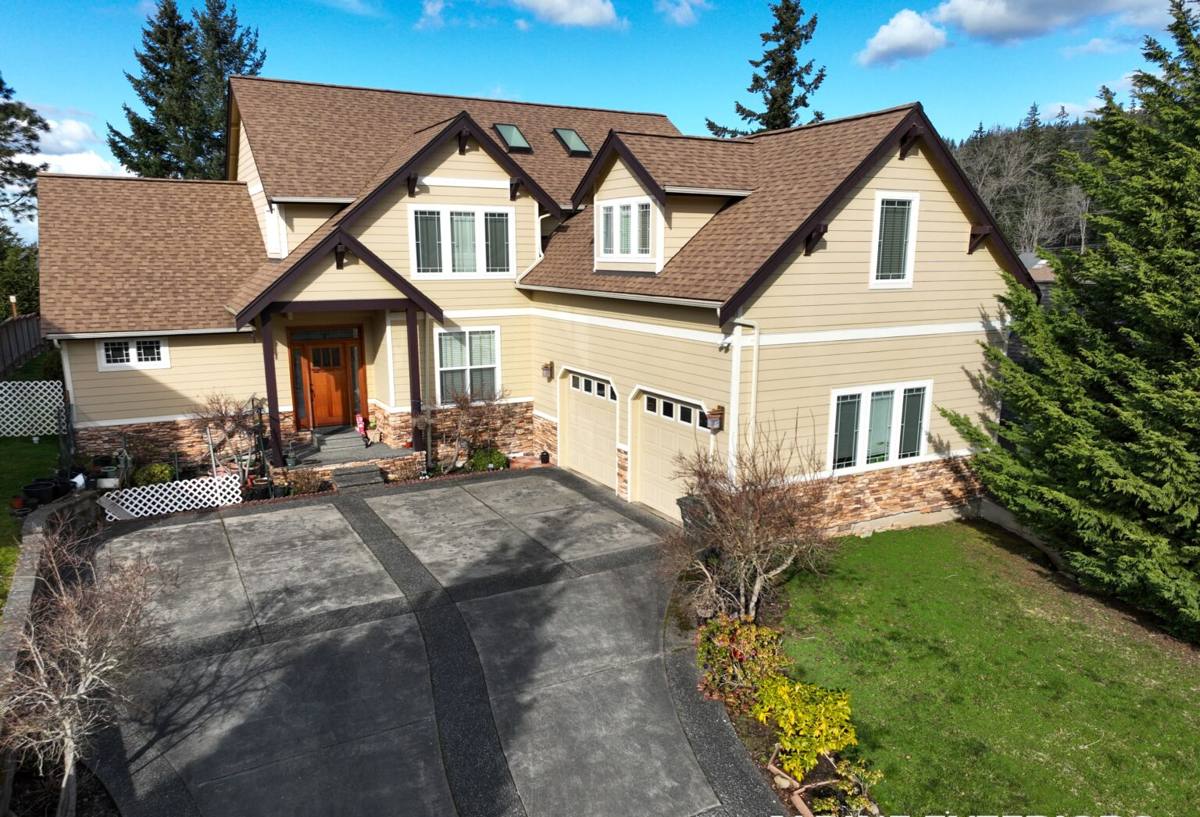
What Tampa's Climate Does to a Deck
Deck repair in this part of Florida is really climate repair. A few things are working against wood and composite decking here nearly every day of the year:
- Intense, near-constant UV exposure — dries out and breaks down wood fibers, fades and chalks composite surfaces, and embrittles sealants and fastener coatings faster than in milder climates.
- Wind-driven rain — pushes water sideways into joints, ledger connections, and fastener holes that were only ever designed to shed water falling straight down.
- Hurricane-force wind events — put repeated racking stress on railings, stair stringers, and ledger attachments, loosening connections even when nothing visibly breaks.
- Humidity and standing moisture underneath — Seminole Heights' tree canopy is part of its character, but shade plus humidity means the underside of a deck often stays damp long after the surface has dried, which is exactly where rot starts.
None of these forces act alone. A deck that's been baked all summer develops tiny checks and cracks in the wood, then wind-driven rain gets into those cracks, and the moisture sits there because airflow underneath is limited. That combination is why deck problems in this area tend to show up first at connection points — ledger boards, joist hangers, stair stringers, and railing posts — rather than in the open field of the decking itself.
Signs a Seminole Heights Deck Needs Repair, Not Replacement
Homeowners often assume any visible damage means a full tear-off. In our experience, most decks we're called out to in this neighborhood can be repaired if the framing is sound, even when the surface looks rough. Here's how we sort it out:
Usually repairable
- Individual cracked, cupped, or splintering deck boards
- Loose or wobbly railings and balusters
- Rusted or popped fasteners with the wood underneath still solid
- Isolated soft spots near a downspout, planter, or low-drainage corner
- Faded, chalky, or peeling finish on structurally sound wood
- Stair stringers with surface wear but no structural give
Signals it may go beyond repair
- Soft or spongy framing at the ledger board (where the deck attaches to the house)
- Widespread rot in joists rather than just the decking surface
- Visible separation or gapping between the deck and the house structure
- Posts that have shifted or settled unevenly
We tell homeowners honestly which category their deck falls into. There's no reason to sell a full rebuild when a targeted repair will hold up, and no reason to patch something that's actually failing at the ledger — that's a safety issue, not a cosmetic one.
What a Correct Repair Actually Involves
A deck repair that's done right in this climate isn't just swapping a board and calling it done. Our process typically covers:
1. Structural inspection first
Before touching the surface, we check the ledger connection, joist condition, and post bases. This is the part of the deck that carries the actual load and is most exposed to wind-driven rain intrusion, so it gets checked even if the visible complaint is a cracked board somewhere else.
2. Matching fasteners and hardware to the exposure
Salt air reaches well inland from Tampa Bay, and combined with humidity it accelerates corrosion on standard fasteners. We use fasteners and hardware rated for this kind of exposure rather than whatever was used originally, especially on older decks where the original hardware may not have been suited to coastal-influenced air in the first place.
3. Addressing the moisture path, not just the symptom
If a soft spot exists because water has nowhere to drain, replacing the board without correcting drainage or ventilation underneath just resets the clock on the same failure. We look at grading, gaps between boards, and airflow underneath before finishing a repair.
4. Sealing and finishing appropriate to UV exposure
Wood decking in full Florida sun needs a finish schedule that accounts for UV breakdown, not just moisture. We talk through realistic maintenance intervals rather than promising a finish will last indefinitely, because no coating does in this sun.
5. Railing and stair safety check
Since these take the brunt of wind-load stress during storm events, we test railings and stair connections for movement even when they weren't the original complaint.
Wood vs. Composite: An Honest Comparison for Local Decks
We get asked often whether a repaired section should be patched with matching wood or whether it's worth switching to composite decking in that area. There's no universal right answer — it depends on the homeowner's priorities.
| Factor | Wood Decking | Composite Decking |
|---|---|---|
| Upfront repair cost | Generally lower per board | Higher material cost |
| UV fading behavior | Grays/weathers naturally, refinishable | Fades over time, cannot be refinished/stained |
| Moisture tolerance | Requires sealing/maintenance to resist rot | Resists rot, but core materials still need proper airflow underneath |
| Long-term maintenance | Periodic sealing/staining needed | Lower maintenance, occasional cleaning |
| Matching existing sections | Easier to match an existing wood deck | Hard to blend with existing wood; usually a full-run decision |
For a small, localized repair on an otherwise wood deck, we usually recommend staying with wood so the repair blends in and the rest of the deck's maintenance schedule stays consistent. For decks that are due for a larger resurfacing, composite is worth discussing — the tradeoff is upfront cost against reduced UV and moisture maintenance down the line.
Why Hire a Crew That Already Works Seminole Heights
Deck repair is one of those jobs where local familiarity actually changes the outcome, not just the convenience. A crew that regularly works this neighborhood has already seen how homes here were built across different eras, what kind of framing and attachment methods were common at different points, and how tree cover and lot drainage in this part of Tampa affect moisture retention under a deck. That's not something you get from a generic quote sourced sight-unseen.
It also matters for scheduling honesty. A local crew can walk a property, give a straight assessment of what's repair versus what's heading toward replacement, and set a timeline that accounts for Hillsborough County's permitting and weather patterns — rather than quoting a number that doesn't survive contact with what's actually under the boards.
Our Deck Repair Process
- On-site assessment — we inspect decking, framing, ledger, railings, and stairs, and check for moisture and drainage issues underneath.
- Honest scope — we tell you plainly what's cosmetic, what's structural, and what can wait versus what shouldn't.
- Written estimate — clear on materials, fastener/hardware spec, and what's included.
- Repair work — matched materials where possible, corrosion-appropriate hardware, and attention to the moisture path, not just the visible damage.
- Final safety check — railings, stairs, and connection points tested before we call the job done.
A Few Things to Check Yourself Before Calling Anyone
Not every deck issue needs a professional visit right away. Homeowners can safely check a few things themselves:
- Press on boards near downspouts or low corners — softness means moisture is getting in
- Give railings a firm push side to side — any noticeable give is worth having looked at
- Look underneath (if accessible) for standing water, dark staining, or visible mold on joists
- Check for popped or rusted fastener heads on the deck surface
- Note whether boards have cupped (edges higher than the center) — a common sign of moisture cycling
If any of these turn up, it's worth having it looked at before the next storm season rather than after damage has spread.
Get an Honest Assessment
If you're in Seminole Heights and dealing with a deck that's showing its age — or damage from this year's storms and sun — we're glad to take a look and tell you plainly what it needs. There's no cost and no pressure for the estimate; we'll walk the deck, explain what we find, and give you options that fit the actual condition of the structure, not a generic worst-case quote. Fill out the form below to get a free estimate scheduled.