 Tampa Siding
 Siding Built for Riverview's Climate, Not Just Its Curb Appeal
Riverview sits in one of the fastest-growing parts of Hillsborough County, and its housing stock reflects that growth — a mix of newer builds on former ranch and farmland, established subdivisions along the Alafia River corridor, and a steady wave of remodels as older homes get refreshed. Whatever era a Riverview home comes from, its siding faces the same set of stressors: long stretches of intense UV exposure, sudden downpours that drive rain sideways under wind, high year-round humidity, and the real possibility of hurricane-force gusts during storm season. Siding here isn't just an aesthetic choice. It's the first line of defense between the house and a climate that doesn't let up.
We install James Hardie fiber cement siding exclusively, and this page focuses on one thing: what a correct siding installation looks like for a Riverview home, why the details matter more here than in milder climates, and how we approach the job from first estimate to final walk-through.
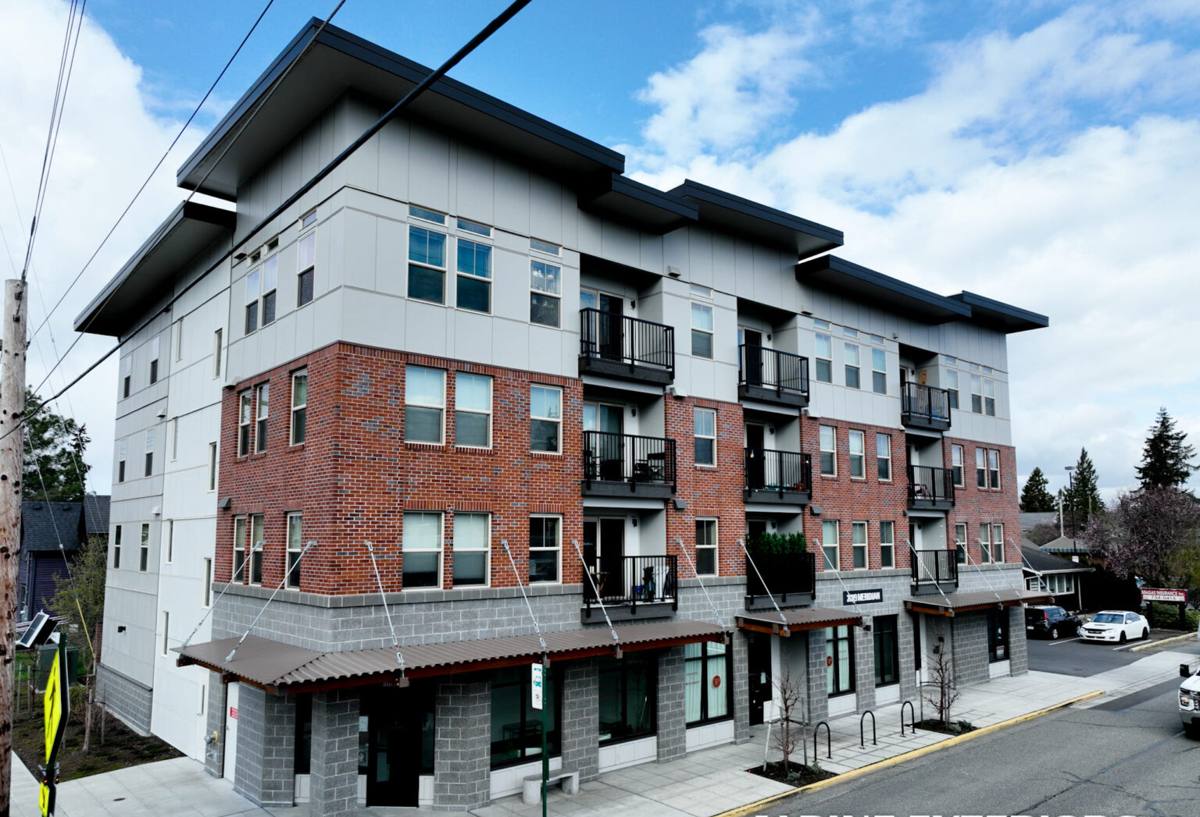
What Riverview Homes Actually Need From Their Siding
Heat and UV Exposure
Central Florida sun is relentless. Siding that isn't engineered for it will fade unevenly, chalk, or warp within a few years — especially on west- and south-facing walls that take the brunt of the afternoon sun. Factory-applied, baked-on finishes hold color far longer than field-applied paint, which matters a lot when a home sits under Tampa's sun load for decades, not years.
Wind-Driven Rain and Humidity
Hillsborough County's rainy season brings short, intense storms where rain doesn't just fall — it gets pushed horizontally into walls, seams, and trim. Combined with the area's baseline humidity, any siding material that absorbs moisture or traps it behind the surface is set up to fail over time, whether that's through rot, swelling, or mold growth. The installation details — flashing, gaps, fastener placement — matter as much as the material itself.
Storm-Force Wind
Riverview isn't coastal, but it's not sheltered from hurricane bands and tropical storm systems either. Siding needs to be rated and installed to hold up under sustained wind loads and flying debris, with fastening that meets code for the wind zone rather than the bare minimum.
Salt Air's Reach
Riverview sits inland from Tampa Bay, but salt-laden air still moves through the region on prevailing winds, especially closer to the bay-facing side of the county. It's a slower corrosion factor than on the immediate coast, but it still argues for non-corroding fasteners and trim details rather than cutting corners because a property isn't waterfront.
Why We Only Install James Hardie Fiber Cement
We made a decision as a company to install one siding system: James Hardie fiber cement, using their HZ5 product line engineered for hot, humid, high-moisture climates like ours. We don't install vinyl, LP SmartSide, Cemplank, Allura, or wood siding, and we're upfront about why — it's not that those products can't be installed well, it's that we don't think they hold up to Tampa Bay conditions as well as fiber cement does over the long run, and we'd rather stand behind one system we know inside and out.
James Hardie's fiber cement is non-combustible, resists moisture-driven swelling and rot far better than wood-based products, and holds its factory ColorPlus finish through years of direct sun without the fading and chalking that plagues field-painted siding. It's heavier and more rigid than vinyl, which means it doesn't ripple, sag, or crack in the heat, and it stands up to wind-driven debris better in storm events. The warranty backing it is transferable, which matters to Riverview homeowners who may sell within the product's lifespan.
What a Correct Siding Installation Actually Involves
The material is only part of the equation. A huge share of siding failures we get called out to inspect trace back to installation shortcuts, not the product itself. A correct install includes:
- Removal of old siding down to the sheathing, with an inspection for hidden water damage or rot before anything new goes up
- Repair or replacement of any compromised sheathing — covering over damaged substrate guarantees future problems
- A properly lapped weather-resistant barrier (house wrap) installed to manufacturer spec, not just stapled up quickly
- Correct flashing at every window, door, and roofline penetration — this is where most water intrusion actually starts
- Proper fastener type, spacing, and depth per James Hardie's published installation guidelines for our wind zone
- Minimum clearance gaps at the bottom of the siding and around penetrations, so water has somewhere to go instead of wicking upward
- Correct caulking and sealant at joints and trim — over-caulking is as much a problem as under-caulking with fiber cement
- A final inspection walk-through with the homeowner before we consider the job done
Skipping or rushing any one of these steps can undercut even the best siding material. This is why we treat installation quality, not just product selection, as the actual deliverable.
How Our Process Works, Start to Finish
1. On-Site Assessment
We start with a walk-around of the home to check the condition of the existing siding, look for signs of water intrusion or sheathing damage, and take measurements. This is also when we talk through style, color, and any trim or accent details the homeowner wants.
2. Written Estimate
We provide a clear, itemized estimate — no vague lump-sum numbers. Homeowners should know what they're paying for: material, labor, tear-off, disposal, and any sheathing repair contingencies.
3. Scheduling and Prep
We work around Florida's weather patterns when scheduling — avoiding starting a tear-off right before a forecasted storm system is common sense here, not a luxury. We protect landscaping and walkways before work begins.
4. Tear-Off and Substrate Inspection
Old siding comes off, and we inspect the sheathing underneath before anything new goes on. This step catches problems early, when they're still cheap to fix.
5. Installation to Manufacturer Spec
House wrap, flashing, fastening, and the Hardie panels or planks themselves go up following James Hardie's published specifications for our climate zone — not a generic national standard.
6. Final Walk-Through
We walk the finished job with the homeowner, point out the details, and address anything before we call it complete.
Comparing Siding Options for a Riverview Home
| Factor | James Hardie Fiber Cement | Vinyl | Wood / Engineered Wood |
|---|---|---|---|
| UV / fade resistance | Factory ColorPlus finish, long-lasting color | Fades and can become brittle in high UV | Requires repainting, fades between coats |
| Moisture / humidity resistance | Engineered for high-moisture climates (HZ5) | Doesn't rot, but can warp or buckle in heat | Prone to swelling, rot without diligent upkeep |
| Wind / impact resistance | Rigid, heavier, holds up to debris | Can crack or blow off in high winds | Impact resistance varies by product |
| Fire resistance | Non-combustible | Combustible | Combustible |
| Long-term maintenance | Low — occasional wash, no repainting for the finish life | Low, but replacement panels can be hard to color-match later | Higher — regular repainting/sealing |
Cost Factors Homeowners Should Understand
We won't quote a number here that isn't specific to your home — every Riverview property is different — but the real cost drivers on most jobs are consistent:
- Total square footage and the complexity of the roofline and wall geometry
- Condition of the existing sheathing (hidden rot adds cost, but it's cost you want to know about now, not later)
- Siding profile chosen — lap siding, board and batten, shingle-style accents, and trim details all price differently
- Color — factory ColorPlus finishes versus field-painted options
- Tear-off and disposal of the old material
- Access and site conditions (multi-story sections, landscaping, tight lot lines)
An on-site estimate is the only way to give a homeowner a number they can actually trust.
Why Hiring a Crew That Already Works Riverview Matters
Siding installation isn't a one-size-fits-all trade. A crew that regularly works Hillsborough County homes already understands local wind zone requirements, permitting expectations, and the specific ways Tampa Bay's climate stresses a building envelope. That familiarity shows up in small decisions — flashing details at a particular window style, how much clearance to leave given our humidity, when to pause a job because a storm system is rolling in. It also means faster, more accurate estimates, because we're not learning the region on your project.
If you're planning a siding replacement or new installation on a Riverview home, we'd be glad to take a look and walk you through what correct James Hardie installation looks like for your specific property. Reach out for a free, no-pressure estimate using the form below.