 Tampa Siding
 Why Seminole Heights Siding Has to Work Harder Than Siding Inland
Seminole Heights sits close enough to Tampa Bay that the same air that gives the neighborhood its warm, humid feel also carries a fine layer of salt onto every exterior surface, siding included. Add in Hillsborough County's exposure to hurricane-force wind gusts during storm season, sun that beats down at high intensity nearly year-round, and rain that doesn't just fall straight down but gets driven sideways into walls during a squall, and you have a climate that is genuinely tough on building materials. Siding here isn't just a cosmetic layer. It's the first line of defense against wind pressure, water intrusion, and UV breakdown, and it has to hold up to all three at once, every year, without a break.
A siding installation that would be perfectly adequate in a drier, calmer climate can fail early here if it isn't detailed correctly. That's the lens we bring to every Seminole Heights project: what does this specific wall, on this specific house, need to actually perform in this specific climate — not just look good on install day.
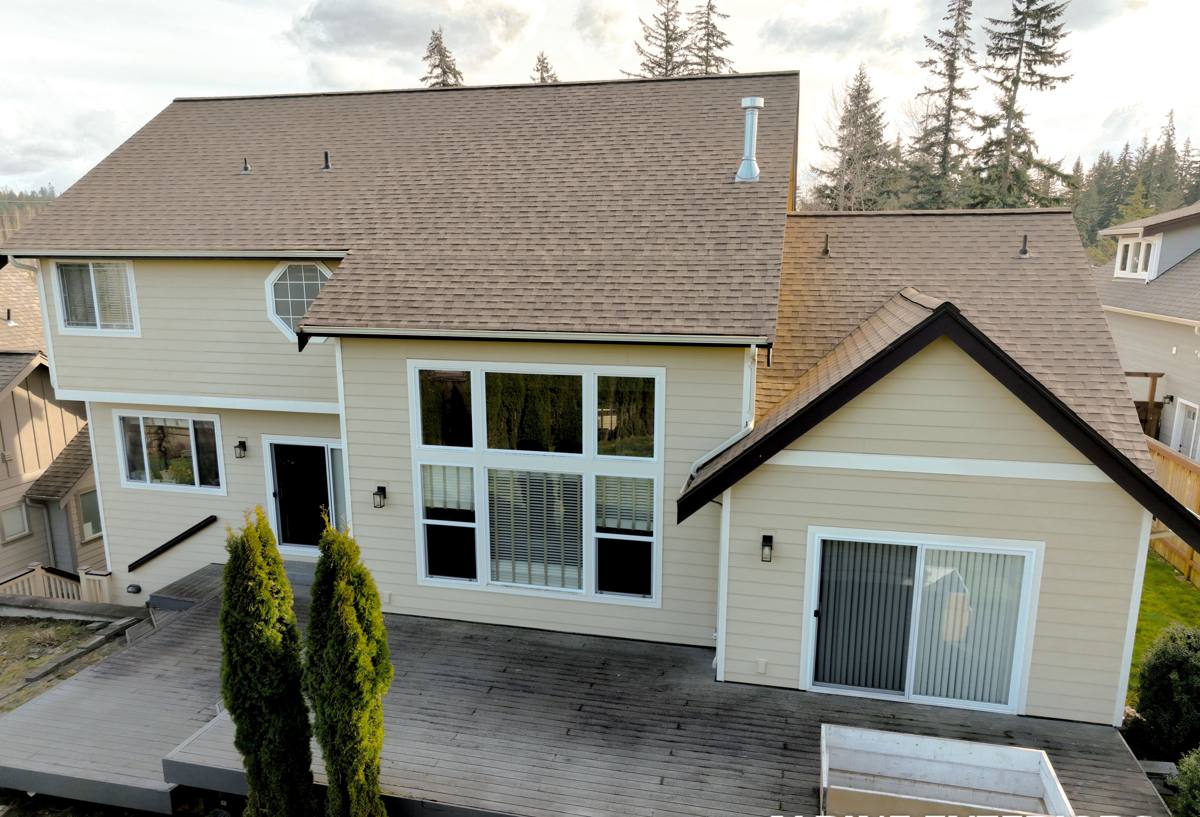
The Housing Stock in Seminole Heights: Why Siding Condition Varies So Much
Seminole Heights is one of Tampa's older, established neighborhoods, with a lot of bungalow and craftsman-style homes dating back to the early-to-mid 1900s, mixed in with newer infill and renovated properties. That age range matters for siding. Many of these homes have already been re-sided at least once, sometimes with materials that weren't well suited to the climate to begin with, and sometimes with installation shortcuts that only show up years later as soft spots, buckling, or paint that won't hold.
Because of the neighborhood's age and the mix of original and updated construction, we don't treat any two Seminole Heights homes the same. Wall assemblies, past renovation work, and even the number of times a house has been re-sided all affect what needs to happen before new siding goes up. If your property is in one of Tampa's local historic districts, exterior changes — siding included — may also go through an architectural review process, which is worth checking on before work starts.
What a Correct Siding Installation Actually Involves
Siding installation looks simple from the curb: panels go up, the house looks new. What actually determines whether it lasts happens underneath and at every seam, and it's where corner-cutting does the most long-term damage.
Weather-Resistive Barrier and Flashing
Every wall gets a weather-resistive barrier before siding goes on, and every penetration — windows, doors, hose bibs, vents — needs flashing detailed so water sheds outward instead of finding a path behind the siding. In a climate where wind-driven rain regularly hits walls at an angle instead of straight down, sloppy flashing is one of the most common causes of hidden moisture damage.
Fastening Schedule and Clearances
Fastener spacing, type, and placement aren't cosmetic details — they're what keeps siding attached through high wind events. Manufacturer fastening schedules exist for a reason, and in a hurricane-prone county like Hillsborough, following them isn't optional. Clearance from grade, roofing, and decking also matters, since siding installed too close to the ground or to another surface traps moisture against the material.
Trim, Corners, and Butt Joints
Corners and joints are where two pieces of siding meet, and they're the most common failure points on a poorly installed job. Proper caulking, back-priming of cut edges, and correct overlap at joints keep water out of places it's very hard to inspect once the wall is closed up.
Why We Install Only James Hardie Fiber Cement
We install James Hardie fiber cement siding exclusively. We don't install vinyl, LP SmartSide, Cemplank, Allura, or primed wood siding, and that's a deliberate standard, not a limitation of what we're capable of installing.
Vinyl softens and can warp under sustained high heat and direct sun, which is a real problem on a south- or west-facing Seminole Heights wall in a Florida summer. Engineered wood products like LP SmartSide perform well in many climates but rely on an intact factory coating and careful field sealing at every cut edge to resist moisture — a single missed edge in a humid, storm-prone climate can lead to swelling over time. Primed wood siding needs an ongoing paint maintenance cycle to stay protected, which is a real time and cost commitment for a homeowner in a climate this hard on exterior paint.
James Hardie fiber cement is non-combustible, holds up structurally to wind-driven rain and humidity without swelling the way wood-based products can, and comes with a factory-applied ColorPlus finish engineered to resist Florida-level UV fading far longer than field-applied paint. Hardie also makes climate-specific HZ product lines, and Hardie's HZ5 formulation is engineered for the exact combination of humidity, heat, and moisture exposure that defines a Tampa climate. That's the product we stand behind on every home we side.
How Hardie Compares to Other Siding Materials in This Climate
| Factor | James Hardie Fiber Cement | Vinyl | Wood / Engineered Wood |
|---|---|---|---|
| Wind performance | Engineered and rated for high-wind installation | Can crack or blow off in severe gusts | Adequate if installed correctly, but fasteners can loosen over time |
| UV / fade resistance | Factory ColorPlus finish resists fading | Can fade and become brittle in intense sun | Paint fades and chalks, needs repainting |
| Moisture / humidity behavior | Does not swell or rot; needs sealed cut edges | Doesn't absorb water, but can trap moisture behind panels | Vulnerable to swelling and rot if coating fails |
| Maintenance | Occasional washing, repaint on a long cycle | Low, but damage often means full panel replacement | Regular repainting or resealing required |
| Fire performance | Non-combustible | Combustible | Combustible |
No material is maintenance-free in a coastal-influenced, storm-exposed climate. The question is which material's maintenance needs and failure modes you're comfortable managing over the next twenty or thirty years. For us, that answer is fiber cement.
What Drives Cost on a Seminole Heights Project
Every home is different, so we don't quote a project without seeing it, but a few factors consistently move the number:
- Total square footage of wall area to be covered
- Whether it's a full tear-off of existing siding or, when conditions allow, an install over sound sheathing
- Amount of trim detail — window and door casings, corner boards, and architectural features on older bungalow-style homes tend to have more of this than newer builds
- Condition of the wall sheathing and framing underneath the current siding, which sometimes isn't known until removal begins
- Number of stories and roof lines, which affect access and labor
- Siding profile and Hardie product line selected
Full siding replacements on a typical Seminole Heights home generally land somewhere in the low-to-mid five figures, with the exact number depending heavily on the factors above. Anyone quoting a firm number without walking the property is guessing.
Our Installation Process, Start to Finish
- On-site inspection of existing siding, trim, and wall condition, including a look at what's underneath where accessible
- Written estimate detailing scope, product line and profile, and what's included
- Removal of old siding and inspection of sheathing and framing for hidden damage before anything new goes on
- Repair of any compromised sheathing, framing, or flashing found during removal
- Installation of weather-resistive barrier, flashing at all penetrations, and correctly spaced starter strips
- Hardie panel or plank installation to manufacturer fastening specifications, with attention to corners, joints, and trim
- Final caulking, touch-up, and a walkthrough so you know exactly what was done and why
What to Look for in a Local Siding Crew
Hiring a crew that already works in Seminole Heights and the greater Tampa area matters more than it might seem. A crew that's used to this climate knows what fastening schedule actually holds up in local wind events, understands how to detail flashing for wind-driven rain, and has likely already run into the kind of hidden wall conditions common in the neighborhood's older housing stock.
- Ask whether they carry active Florida contractor licensing and liability insurance, and confirm it directly rather than taking their word for it
- Ask if they're a certified or preferred installer for the siding manufacturer they're proposing
- Ask what happens if they find rot or damaged sheathing once old siding comes off — get this in writing before work starts
- Ask for the specific fastening schedule and flashing details they plan to use, not just the brand name of the siding
- Get a written scope of work that specifies product line, profile, color, and warranty terms
Maintenance After Installation
Correctly installed Hardie siding is low-maintenance, not no-maintenance. Rinsing off salt residue and dirt periodically, keeping sprinklers from spraying directly on walls, and checking caulked joints every year or two for cracking will meaningfully extend the life of the installation. Catching a failed caulk joint early is a five-minute fix; catching it late can mean repairing wall damage behind it.
If you're weighing a siding replacement for a home in Seminole Heights, we're happy to take a look and give you a straight answer on condition, scope, and cost — no pressure, no obligation. Use the form below to request a free estimate.