 Tampa Siding
 Building a Deck That Actually Holds Up in South Tampa
South Tampa sits on a peninsula surrounded by water on three sides, which is exactly why the neighborhood is so desirable — and exactly why an outdoor structure here takes more punishment than the same deck would take twenty miles inland. Waterfront and near-waterfront lots get salt-laden air, higher humidity, and stronger wind gusts off the bay. A deck built with generic, big-box specs might look fine for a season or two, then start showing loose fasteners, cupped boards, or corroded hardware well ahead of schedule. Building correctly for this specific location isn't an upsell — it's the difference between a deck that lasts fifteen-plus years and one that needs major repairs by year five.
This page covers what we actually do differently when we build a deck in South Tampa: the materials we choose, the fasteners and framing details that matter here, our process from first visit to final walkthrough, and what it costs to do it right.
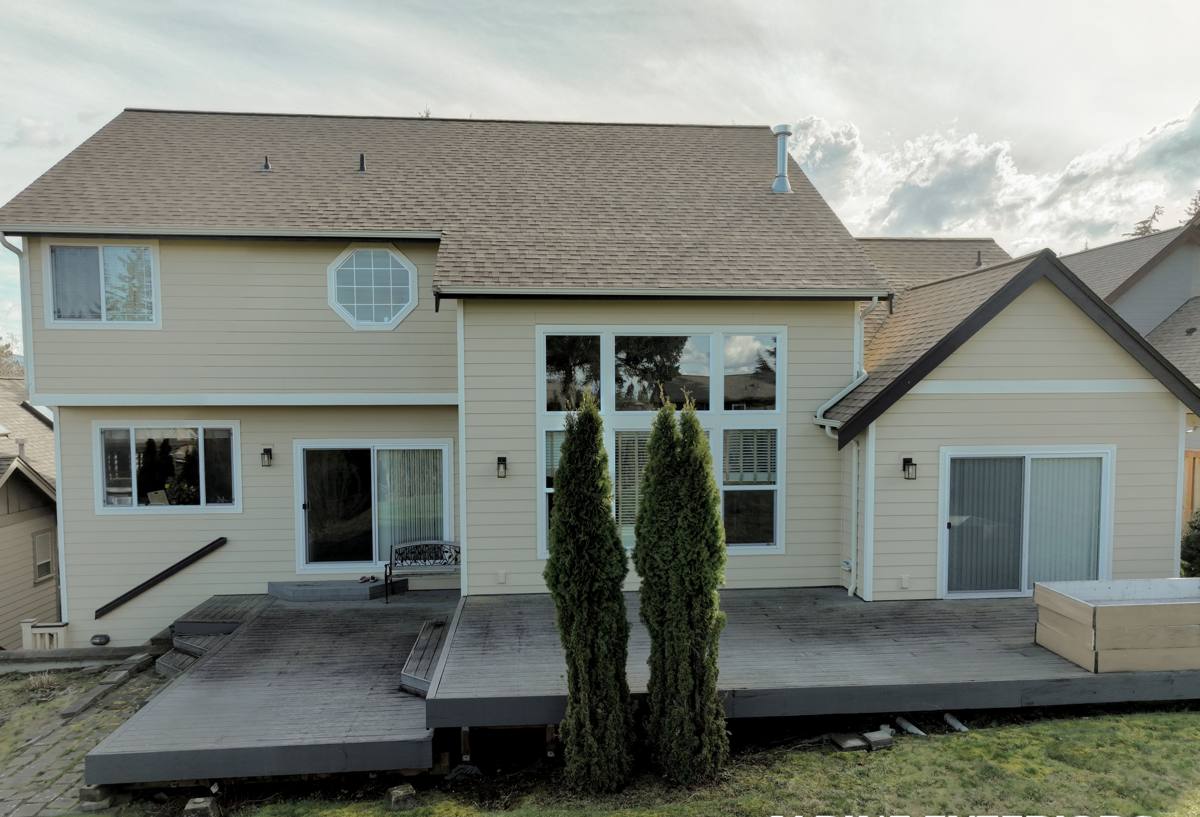
What South Tampa's Climate Demands From a Deck
Hurricane-Force Wind Loads
Hillsborough County building code requires structures to be engineered for high wind speeds, and a deck attached to your house is part of that structural picture whether it's a small landing or a full outdoor living space. Wind doesn't just push sideways — it creates uplift on railings, stair stringers, and even decking boards themselves during a storm. We frame and fasten every deck with that uplift in mind, not just the static weight of furniture and foot traffic.
Year-Round, High-Intensity UV
Tampa gets strong sun exposure essentially twelve months a year, and UV breaks down wood fibers and degrades cheaper plastics and finishes faster than most homeowners expect. A deck surface that would fade gradually over a decade in a milder climate can visibly gray, chalk, or become brittle within a few years here if the wrong material or finish is used.
Salt Air and Corrosion
Even a mile or two from the water, salt-laden air carried in on the breeze accelerates corrosion on any exposed metal — screws, joist hangers, post bases, railing brackets. Standard zinc-coated hardware that's fine in a landlocked state will rust and stain a deck's surface within a few seasons in a coastal-adjacent area like South Tampa.
Wind-Driven Rain and Standing Water
Tropical downpours here don't fall straight down — wind drives rain sideways and up under structures, and storms can dump several inches in an hour. A deck that doesn't shed water properly, or that traps moisture against the house ledger board, sets up conditions for rot and mold long before the framing would otherwise fail.
Choosing the Right Decking Material for This Area
There's no single "best" decking material for every budget, but some options handle South Tampa's conditions meaningfully better than others. Here's how the common choices stack up on the factors that actually matter in this climate:
| Material | Heat & UV Behavior | Moisture/Salt Resistance | Maintenance | Typical Lifespan Here |
|---|---|---|---|---|
| Pressure-treated pine | Fades and can splinter under constant sun | Needs sealing regularly near salt air | Annual cleaning, re-sealing every 1-2 years | 10-15 years with upkeep |
| Tropical hardwood (ipe, cumaru) | Very dense, holds up well to sun | Naturally rot- and insect-resistant | Periodic oiling to keep color; low structural upkeep | 25+ years |
| Capped composite (Trex, TimberTech, etc.) | Cap layer resists fading better than uncapped boards | Won't rot; hardware and framing still need protection | Occasional washing, no sealing/staining | 25-30 year warranty ranges |
| Uncapped/first-gen composite | Prone to fading and surface chalking in strong UV | Can absorb moisture at cut edges over time | More cleaning to manage mold/mildew | 15-20 years |
We'll walk you through the honest trade-offs for your budget and how you plan to use the space — a shaded, low-traffic side deck has different needs than a full sun rear deck that faces the water.
What a Correctly Built Deck Involves
Framing and Fastener Selection
This is where most of the difference between a deck that lasts and one that doesn't gets decided, and it's mostly invisible once the boards are down. We use stainless or heavy hot-dip galvanized fasteners and structural connectors rated for coastal exposure, not the standard-coat hardware that's adequate in drier inland climates. Joist hangers, post bases, and hurricane ties get sized and placed to resist both the vertical loads a deck carries every day and the uplift forces a big wind event puts on it.
Ledger Attachment and Flashing
Where a deck attaches to the house is the single most common failure point we see on older decks in this area, because wind-driven rain finds any gap in the flashing and works it wider over time. We flash that ledger connection properly and use through-bolts rather than lag screws wherever the structure calls for it, so the attachment point doesn't become a hidden rot pocket behind the siding.
Footings Sized for Local Soil and Wind Load
Footing depth and diameter are dictated by Hillsborough County code requirements and the actual wind and load calculations for your design, not a one-size-fits-all number. Sandy coastal soils also behave differently than inland clay, which affects how we size and place footings for long-term stability.
Drainage and Board Spacing
Correct board gapping lets water shed fast during a downpour instead of pooling, and proper slope away from the house keeps water moving off the structure instead of toward your foundation.
Our Process for a South Tampa Deck Build
1. On-Site Visit and Design
We look at your specific lot — sun exposure, proximity to water, existing drainage patterns, and how you want to use the space — before recommending a material or layout. What works on a shaded interior lot often isn't the right call for a home facing open water.
2. Permitting
Decks in Hillsborough County generally require a building permit, and attached decks need to meet the same structural wind provisions as the rest of your home. We handle the permit submission and inspections as part of the project so you're not left navigating that process alone.
3. Construction
Framing and fastening come first and get inspected before decking goes down, since that structural work is what actually determines how the deck performs in a storm. Decking, railing, and any stairs or fascia go on last.
4. Final Walkthrough
We walk the finished deck with you, check every railing and stair connection, and go over the maintenance schedule for whatever material you chose.
Protecting Your Investment: Maintenance That Matters Here
Every deck material needs some upkeep in this climate — the amount just varies. A short, honest maintenance routine goes a long way toward hitting the upper end of a material's lifespan range instead of the lower end:
- Rinse off salt residue and pollen buildup every few weeks, more often for waterfront decks
- Check railing posts and stair stringers for movement at least twice a year
- Look at the ledger flashing and house attachment point after major storms
- Re-seal or re-oil wood decking on the manufacturer's recommended schedule, not just when it looks faded
- Clear debris from between boards so water keeps draining freely
- Inspect exposed fasteners and connectors annually for early rust or staining
Why Hiring a Crew That Already Works in South Tampa Matters
A contractor who builds regularly in this specific area already knows which fastener grades hold up, how the local permitting office wants submissions formatted, and which framing details actually matter for homes exposed to bay-facing wind and salt air — versus a crew applying a generic build spec they use everywhere. That local experience shows up in fewer surprises during inspection, fewer callbacks for early corrosion or loosening hardware, and a deck that's actually specified for the wind and moisture conditions your particular lot sees, not a statewide average.
Cost Factors to Expect
Deck pricing depends on size, material, height off the ground, railing style, and any add-ons like built-in seating or lighting. Rather than quote a number that won't reflect your actual project, here's what tends to move the price up or down:
| Factor | Effect on Cost |
|---|---|
| Material choice (treated wood vs. composite vs. hardwood) | Largest single factor; composite and hardwood cost more upfront, less over time |
| Height above grade / need for stairs | Taller decks need more substantial framing and railing, raising cost |
| Footing depth and count | Wind and soil requirements can mean more or deeper footings than a basic design |
| Railing style (cable, glass, standard baluster) | Custom railing systems add cost over standard baluster railing |
| Access to the work area | Tight side yards or waterfront lots can add labor time |
We'll give you a real, itemized number for your project rather than a rough per-square-foot estimate that doesn't account for your specific site.
If you're planning a new deck or replacing an aging one in South Tampa, we're happy to come take a look, walk the site with you, and put together a straightforward, no-pressure estimate — just fill out the form below.