 Tampa Siding
 Storm Damage Roof Repair for New Tampa Homes
New Tampa sits inland from the bay but that doesn't spare it from what Hillsborough County weather does to a roof. Between hurricane-force wind events, the summer storm cycle that rolls through almost daily from June through September, and a sun load that beats down on shingles and flashing year-round, roofs in this part of Tampa take on damage in stages — some obvious right after a storm, some that shows up months later as a stain on a ceiling. This page is about one job done right: identifying and repairing storm damage on a New Tampa roof, whether that damage came from a named storm, a fast-moving summer squall, or the slow accumulation of wind and UV exposure between events.
A lot of storm damage repair work in this area isn't dramatic. It's not always a tree through the roof deck. More often it's lifted shingle tabs, torn ridge cap, a section of flashing that worked loose, or nail pops that let water start tracking under the roofing system. Left alone, small damage becomes a leak, and a leak becomes rotted decking. Catching and correcting it early is cheaper than the alternative, and it's the difference between a repair and a full re-roof.
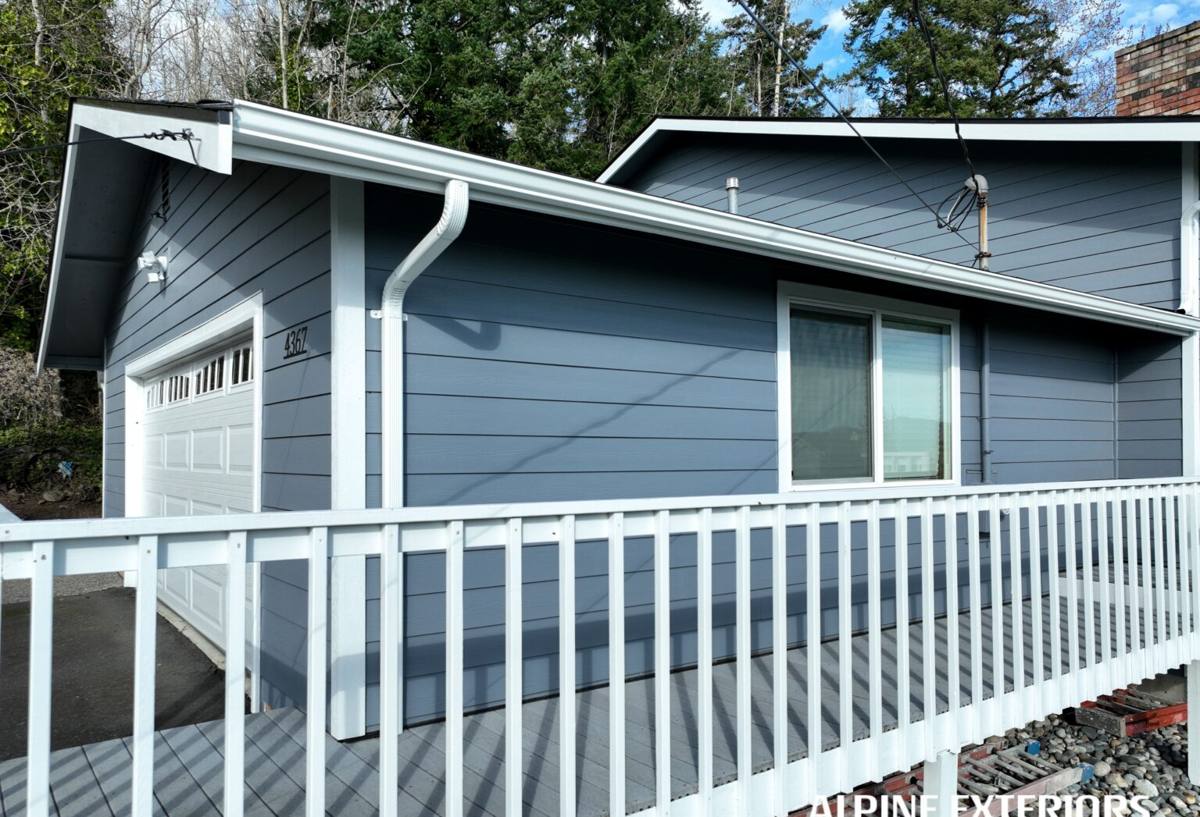
What New Tampa's Climate Actually Does to a Roof
Every roofing job we do in this part of Tampa has to account for a few regional realities that don't apply the same way further north:
- Wind-driven rain: Storms here rarely come straight down. Wind pushes rain sideways and up under shingle edges, ridge caps, and flashing laps that were never designed to shed water from that angle.
- Hurricane and tropical storm wind loads: Hillsborough County sees direct hits and near-misses that still generate sustained high wind and gusts strong enough to lift improperly nailed shingles or peel back ridge cap.
- Year-round UV exposure: Florida sun ages asphalt shingles and rubber flashing boots faster than in most of the country. UV-brittled materials crack instead of flexing during a wind event, which is why storm damage often shows up worse on an older roof than a newer one hit by the same storm.
- Humidity and afternoon storm cycles: Frequent wet-dry cycling stresses fasteners, sealants, and any spot where two roofing materials meet. It also means a small breach doesn't stay dry long enough to self-correct — it gets tested again within days.
- Salt-influenced air: While New Tampa is farther from the coast than some Tampa Bay neighborhoods, moisture-laden air off the Gulf and the bay still accelerates corrosion on exposed metal fasteners, drip edge, and flashing over time.
None of this means every roof in New Tampa is in bad shape. It means the maintenance window is shorter than in a drier, cooler climate, and storm damage that would be minor elsewhere can progress faster here if it's not addressed.
Roof Types We See Most in This Neighborhood
New Tampa has a mix of roof ages and roof types — architectural asphalt shingle is the most common, with some tile and a smaller number of metal roofs on newer builds. Storm damage repair looks different depending on which one you have:
- Asphalt shingle: Most vulnerable to wind lift at the tabs and ridge, and to granule loss from wind-driven debris and hail.
- Tile: Individual tiles crack or slip out of place from wind or impact; the underlayment beneath them is doing the real waterproofing work, so a few cracked tiles can look minor while hiding a bigger issue underneath.
- Metal: Generally the most wind-resistant when properly installed, but storm damage tends to show up as loosened fasteners, dented panels from debris, or compromised sealant at penetrations.
Signs You May Have Storm Damage
Not all damage announces itself. Some homeowners come to us right after a storm with an obvious problem; others notice a slow ceiling stain and don't connect it to a storm from weeks earlier. Here's what we tell New Tampa homeowners to check for after any significant wind or rain event:
- Shingles that look lifted, curled, or are visibly missing from the roof plane
- Granules collecting in gutters or downspout runoff — a sign of accelerated shingle wear
- Bent, missing, or visibly separated ridge cap along the peak of the roof
- Flashing that's pulled away from a chimney, wall, or roof valley
- New water stains on interior ceilings or upper walls, especially near exterior walls or chimneys
- Soft spots when walking the roof (we check this — homeowners shouldn't climb up after a storm)
- Debris impact marks, dents, or cracked tiles
- Visible daylight through the attic decking at any point
If you see any of these, the roof needs a real inspection — not just a look from the ground with binoculars. Some of the most costly damage (a compromised underlayment, a small deck breach) isn't visible from the yard at all.
What a Correct Storm Damage Repair Involves
A storm damage repair that actually holds up isn't just patching the spot that's leaking. It starts with figuring out how water is getting in and how far it's already traveled, because those two things aren't always the same location.
1. Full Roof Assessment, Not Just the Obvious Spot
We walk the entire roof plane, not just the area near the reported leak. Wind damage is rarely isolated to one shingle — if wind was strong enough to lift one tab, it likely stressed the fasteners and sealant on neighboring courses even if they haven't failed yet. We also check the attic from inside where access allows, since water staining on decking or insulation tells us how long a breach has been active and how far moisture has spread.
2. Identifying the Actual Entry Point
Water doesn't always leak straight down from where it enters. It can travel along the underlayment or decking and show up on a ceiling several feet from the actual breach. Chasing the wrong spot is the most common reason a "repaired" roof leaks again in the next storm.
3. Matching Repair Scope to Damage, Not to the Cheapest Fix
Isolated wind lift on a handful of shingles can genuinely be repaired in place if the shingles and underlayment underneath are still sound. But if the underlayment is compromised, if there's deck rot, or if the shingles are old enough that they're brittle rather than flexible, patching over that only buys a little time. We tell homeowners honestly when a section needs full replacement rather than a spot repair, and why — including what happens if it's deferred.
4. Correct Flashing and Fastener Work
Most repeat leaks trace back to flashing or fasteners, not the shingle field. Proper storm repair means resealing or replacing flashing at valleys, chimneys, walls, and penetrations with materials rated for the exposure, and re-securing or replacing fasteners that have backed out or corroded — not just caulking over a symptom.
5. Interior Check and Documentation
Where a leak reached the interior, we document the affected area so you have a clear record for insurance purposes, and we flag anything (insulation, decking) that may need attention beyond the roofing scope itself.
Our Process for a New Tampa Storm Repair
- Contact and scheduling: We prioritize active leaks and storm-response calls, especially in the days following a significant weather event.
- On-site inspection: A full roof walk, attic check where accessible, and photo documentation of all damage found — not just the area you reported.
- Written scope and estimate: A plain explanation of what's damaged, what needs repair versus replacement, and a cost range — before any work starts.
- Insurance coordination if applicable: If you're filing a claim, we provide documentation that supports the adjuster's review. We don't inflate scope to chase a bigger claim number — the report reflects what's actually damaged.
- Repair work: Deck inspection and replacement of any compromised sheathing, underlayment repair or replacement in the affected section, matching shingle or tile replacement, and flashing/fastener correction.
- Final walkthrough: We show you the completed work and explain what was done and why, including anything worth monitoring going forward.
Repair vs. Replacement: How We Make the Call
| Factor | Favors Spot Repair | Favors Full Replacement |
|---|---|---|
| Extent of damage | Isolated to a small area or single slope | Spread across multiple roof planes |
| Roof age | Under roughly 10-12 years, shingles still flexible | Nearing or past expected shingle lifespan, brittle material |
| Decking condition | Solid, dry sheathing under the damaged area | Soft spots, rot, or repeated past water intrusion |
| Underlayment condition | Intact beyond the immediate repair zone | Compromised or original underlayment near end of life |
| Shingle match availability | Discontinued product no longer sold; close match available | No reasonable match — patch would be visibly mismatched |
We walk through this with you honestly. A repair that's genuinely sufficient is the right call — we're not going to sell a full re-roof when a targeted repair will hold. But we'll also tell you plainly when a repair is a short-term patch on a roof that's due for replacement, so you can decide with full information rather than finding out at the next storm.
Insurance Claims: What Homeowners Should Know
Storm damage repair often overlaps with a homeowner's insurance claim, and a few things are worth understanding going in:
- Document damage as soon as it's safe to do so — photos from the ground, and notes on when you first noticed interior signs like stains.
- An adjuster's inspection and a contractor's inspection can find different things; a thorough written scope from your contractor helps support a fair claim review.
- Not all storm damage is claim-worthy — normal wear from UV aging isn't the same as sudden wind or impact damage, and insurers distinguish between the two.
- Get repair work scoped and quoted honestly regardless of whether a claim is involved. A scope inflated to match a claim number is a disservice to you if the claim is later disputed or if you sell the home.
Materials and Cost Factors for New Tampa Repairs
| Cost Factor | Why It Matters Here |
|---|---|
| Roof pitch and accessibility | Steeper or multi-story sections take longer to safely work and inspect |
| Shingle or tile availability | Older or discontinued product lines may require sourcing a close match |
| Underlayment upgrade | Older felt underlayment is often upgraded to a synthetic, wind-rated product during repair |
| Decking replacement | Any rotted sheathing found during tear-back adds material and labor |
| Flashing scope | Full flashing replacement at valleys and penetrations costs more upfront but prevents repeat leaks |
We don't quote storm repairs off a phone call. Every estimate follows an actual roof inspection, because two roofs with the same square footage can need very different scopes of work depending on decking condition and how the damage actually occurred.
Why a Crew That Already Works New Tampa Matters
Storm damage repair isn't generic work. A contractor who regularly works roofs in this part of Hillsborough County has already seen how local shingle brands hold up to repeated summer storm cycles, which flashing details tend to fail first on the roof types common in this area, and what a genuinely wind-damaged roof looks like versus one with pre-existing wear that a storm just exposed. That matters when you're deciding whether a repair is honest and sufficient, or when you need documentation that accurately reflects what a storm did to your specific roof.
It also matters for response time. After a significant wind event, demand for roof repair spikes across the Tampa Bay area, and crews with no local presence can take weeks to show up — time your roof doesn't have if it's actively leaking. A crew already working in New Tampa can typically get an inspection scheduled faster and knows the area well enough to give you a realistic timeline up front.
Get an Honest Assessment
If your New Tampa home has visible storm damage, a suspected leak, or you just want a roof checked after a recent storm, we're glad to take a look. The estimate is free and there's no pressure to move forward — just a straight answer on what's damaged, what it needs, and what it will cost to fix it right.