 Tampa Siding
 Roof Replacement in Temple Terrace, Florida
Temple Terrace sits inside Hillsborough County, wrapped close enough to Tampa Bay that every roof in the area lives under the same set of stresses: hurricane-force wind events, intense UV exposure nearly year-round, wind-driven rain that finds every weak seam, and salt-laden air that speeds up corrosion on fasteners and metal components. A roof here isn't just shedding rain — it's absorbing heat cycles, flexing under gusts, and taking on moisture from multiple directions during summer storm season. When a roof in Temple Terrace reaches the end of its service life, replacing it correctly for this climate matters more than it does in milder regions of the country.
This page covers what a roof replacement should actually involve for a Temple Terrace home, how to tell when repair isn't enough anymore, and what our process looks like from first inspection to final walkthrough.
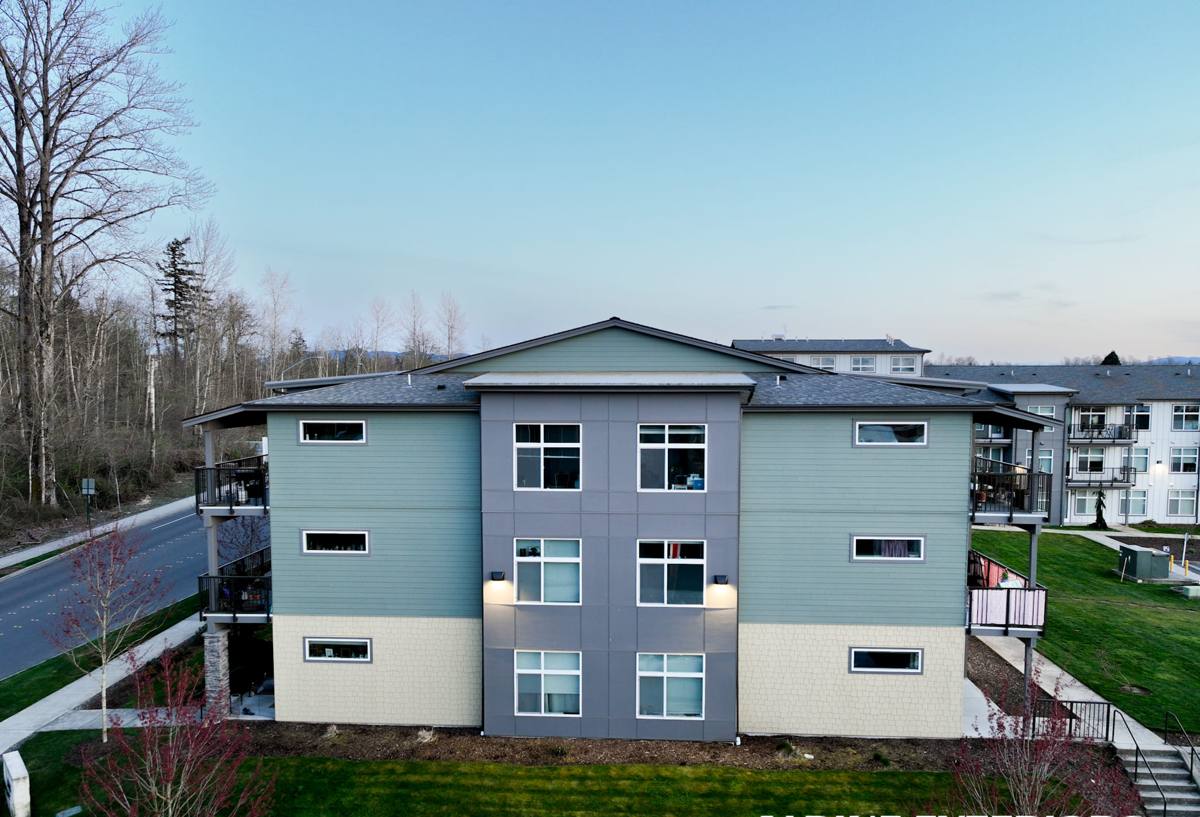
Why Temple Terrace Roofs Wear Out the Way They Do
Most of the roofing failures we see in this part of Hillsborough County trace back to a handful of predictable causes, not bad luck:
UV and Heat Cycling
Florida sun is harder on roofing materials than most homeowners realize. Asphalt shingles lose their oils and granules faster under sustained UV exposure, which accelerates brittleness. Daily heat cycling — hot afternoons followed by cooler, humid nights — also stresses seams, flashing, and sealants over time, opening tiny gaps that widen with each cycle.
Wind-Driven Rain
Straight-down rain is easy for any roof to handle. Wind-driven rain during Tampa Bay's storm season pushes water sideways and upward under shingle edges, around flashing, and into any gap that wouldn't normally see water. A roof that looks fine from the ground can still be letting moisture into the decking through dozens of small entry points.
Hurricane and Tropical Storm Wind Loads
Hillsborough County roofs are built and permitted to specific wind-resistance standards under the Florida Building Code, and for good reason — sustained tropical storm and hurricane winds put real uplift pressure on every shingle, tile, and fastener. A roof installed to code minimums, or installed poorly even if it meets code on paper, is the roof most likely to lose material in a wind event.
Salt Air and Humidity
Even away from the immediate coastline, salt-laden air moving inland corrodes exposed metal — nails, flashing, vent stacks, and drip edge — faster than it would inland in a drier climate. Combined with Florida's humidity, that corrosion can weaken fasteners years before the shingles themselves are due for replacement.
Signs Your Roof Needs Replacement, Not Another Repair
Repair makes sense when the damage is isolated and the roof underneath is still sound. Replacement becomes the honest recommendation when the underlying materials — decking, underlayment, flashing system — are compromised broadly enough that patching one area just shifts the problem to the next. Watch for:
- Shingles that are cupping, curling, or losing granules across large sections rather than one isolated spot
- Soft spots or noticeable give when walking the roof, which usually means the decking underneath has taken on moisture
- Staining or active leaks on interior ceilings, especially after wind-driven rain rather than just heavy downpours
- Roof age approaching or past 20 years for asphalt shingles, even if it "looks okay" from the street
- Missing or lifted shingles after any tropical storm or high-wind event, particularly if it's happened more than once
- Visible sagging along the roofline, which can indicate structural decking issues, not just surface wear
- Frequent granule buildup in gutters, a sign the shingle surface is breaking down faster than normal
Choosing the Right Roofing System for This Climate
Not every material performs the same way under Tampa Bay conditions. The right choice depends on budget, the home's structure, HOA or neighborhood aesthetics, and how much long-term maintenance the homeowner wants to take on.
| Material | Wind Performance | UV/Heat Tolerance | Maintenance | Typical Lifespan |
|---|---|---|---|---|
| Architectural asphalt shingle | Good, with proper nailing pattern and rated products | Moderate — gradual granule loss over time | Low to moderate | 20–30 years |
| 3-tab asphalt shingle | Lower wind resistance than architectural | Lower — thinner profile wears faster | Low | 15–20 years |
| Concrete or clay tile | Very good when properly fastened | Excellent — largely unaffected by UV | Moderate — underlayment still needs periodic attention | 40–50+ years |
| Standing seam metal | Excellent | Excellent | Low | 40–60 years |
Architectural shingles remain the most common replacement choice in Temple Terrace because they balance upfront cost with solid wind performance when installed with the correct fastening schedule. Tile and metal cost more upfront but ask less of the homeowner over the decades that follow, which matters in a climate that's hard on roofing regardless of material.
What a Correct Roof Replacement Actually Involves
A roof replacement is more than swapping old shingles for new ones. Done right, it addresses everything underneath the surface that actually determines how the roof performs in the next storm season.
Full Tear-Off and Decking Inspection
We remove the existing roofing down to the deck rather than layering over old material. This is the only way to actually see the plywood or OSB decking underneath — soft, delaminated, or water-damaged sections get identified and replaced before anything new goes down.
Underlayment and Moisture Barrier
Given how much wind-driven rain this region sees, the underlayment layer is doing real work, not just serving as a formality. A synthetic or self-adhering underlayment system, installed correctly at seams and penetrations, is what keeps water out even if wind lifts a shingle edge during a storm.
Flashing and Penetration Details
Chimneys, vent stacks, skylights, and roof-to-wall transitions are where most leaks actually start — not in the open field of shingles. New flashing, properly integrated with the underlayment and shingle courses, is non-negotiable on a correct replacement.
Wind-Rated Fastening
Nailing pattern and fastener count matter as much as the shingle product itself. We install to the wind-rating requirements that apply for Hillsborough County under the Florida Building Code, not just the manufacturer's minimum spec.
Ventilation
Proper attic ventilation keeps heat and moisture from building up under the deck, which protects the new roofing from the inside out and helps with cooling costs during Florida's long, hot season.
Our Process, Start to Finish
- Inspection and estimate — We walk the roof, check the decking where accessible, and give an honest assessment of whether repair or replacement makes sense, with a written estimate.
- Material selection — We go over options and trade-offs based on your budget, home style, and how the roof needs to perform.
- Permitting — Roof replacements in Temple Terrace require a permit through the applicable local building department. We handle that process rather than leaving it to the homeowner.
- Tear-off and disposal — Old roofing comes off completely, with job-site protection for landscaping and property, and debris hauled away.
- Deck repair as needed — Any compromised decking is replaced before new materials go down, not patched over.
- Installation — Underlayment, flashing, ventilation, and final roofing material installed to code and manufacturer specification.
- Final walkthrough and inspection — We review the finished roof with you and coordinate the required building inspection sign-off.
Permits, Codes, and Insurance Considerations
Roof replacement work in Hillsborough County goes through permitting and inspection, and the installation has to meet Florida Building Code wind-resistance requirements for this region. This isn't paperwork for its own sake — it's what determines whether the roof actually holds up in the next significant wind event, and it's often required for a valid manufacturer warranty as well.
A new roof can also affect homeowners insurance. Many carriers offer wind mitigation credits for roofs installed to current code with modern fastening and underlayment systems, and a 4-point inspection (common for older homes or policy renewals) generally looks much better with a recently replaced, properly documented roof. We provide the documentation homeowners need to take to their insurance company after the job is done.
After Installation: What Homeowners Should Do
- Keep gutters and downspouts clear so water isn't backing up under the roof edge during heavy rain
- Trim overhanging tree limbs that can drop debris or scrape shingles during wind
- Schedule a visual check after any major storm, even if there's no visible interior leak
- Keep a copy of your permit, warranty documents, and installation records for insurance purposes
- Address minor flashing or sealant issues early rather than waiting for a leak to show up inside
Why a Crew That Already Works in Temple Terrace Matters
Roofing crews who work Temple Terrace and the surrounding Hillsborough County area regularly know the local permitting process, the wind-resistance requirements that apply here, and how the neighborhood's HOA and architectural expectations affect material choices. That familiarity translates into fewer permitting delays and a roof that's specified correctly the first time, instead of a generic installation that happens to meet the bare minimum code somewhere else in the country.
Local presence also matters after the sale. A crew based in the Tampa area is positioned to respond quickly if storm damage shows up after a tropical system moves through, rather than a distant outfit that isn't reachable when it counts.
If your roof is showing its age or you want a straight answer on repair versus replacement, we're happy to take a look. Request a free, no-pressure estimate using the form below.