 Tampa Siding
 Why Temple Terrace Siding Wears Differently Than Siding Up North
Temple Terrace sits inside Hillsborough County, close enough to Tampa Bay that homes here deal with the same climate stack every other property in the area faces: long stretches of intense UV, humidity that rarely lets up, wind-driven rain during summer storms, and the occasional direct hit from a tropical system. None of those forces act alone. UV breaks down caulk and finishes, humidity keeps moisture in contact with siding longer than it should be, and wind-driven rain finds every gap that sun and moisture have already opened up. Salt-tinged air moving inland off the Gulf adds a slow corrosive edge to fasteners and trim hardware, even well away from the immediate coastline.
That combination is why siding repair in this area isn't the same job as siding repair in a drier, milder climate. A crack that would sit cosmetic for years somewhere else becomes a water entry point here in a single rainy season. Repairing siding correctly in Temple Terrace means understanding how these stresses stack up, not just patching what's visible.
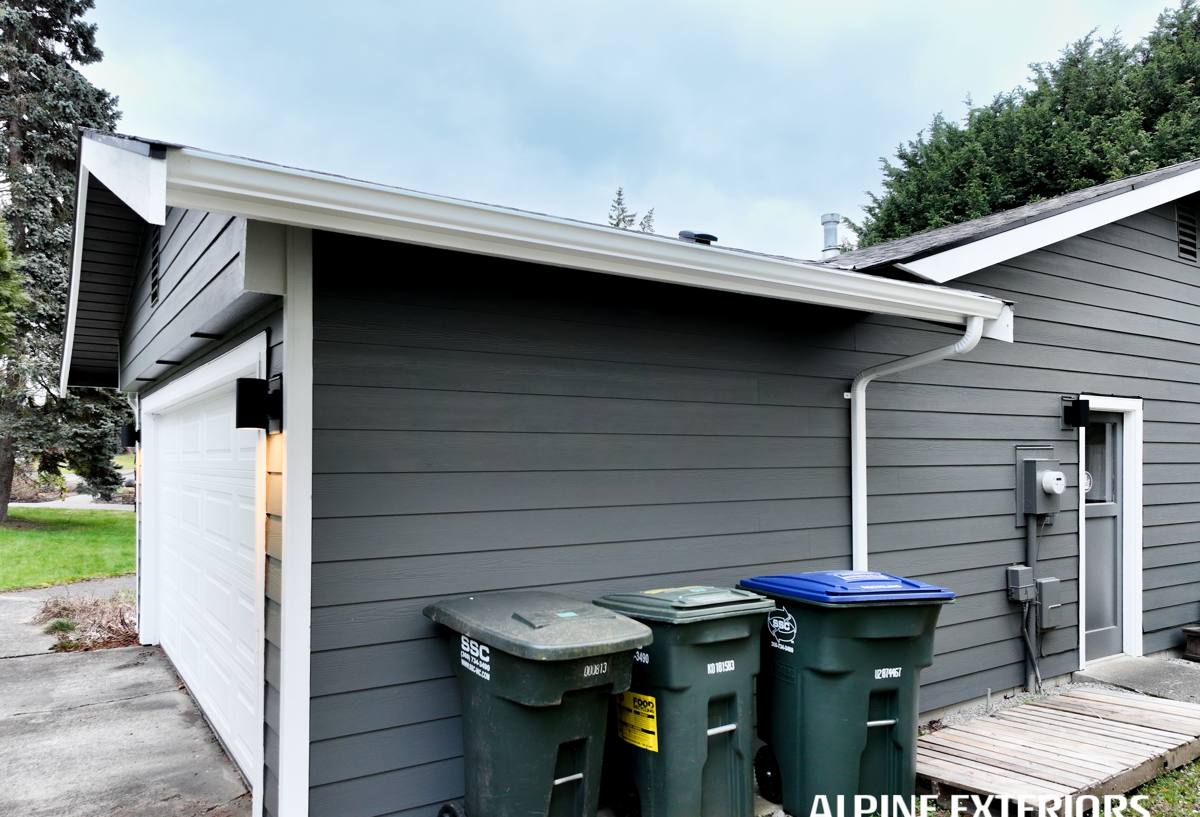
The Damage Patterns We See Most Often in This Area
Sun and Heat Damage
Constant UV exposure fades paint and factory finishes unevenly, especially on south- and west-facing walls that take the harshest afternoon sun. Once a finish starts to chalk or thin, the siding material underneath loses its protection and starts absorbing more moisture, which accelerates whatever comes next — warping in wood-based products, softening in some engineered materials, or surface erosion in lower-grade siding.
Wind and Storm Damage
Hurricane-force wind events and the strong seasonal thunderstorms that roll through the Tampa Bay area regularly cause siding damage that isn't always obvious from the ground: lifted or loosened panels, cracked corner boards, dented or punctured sections from wind-borne debris, and fasteners that have backed out just enough to let water behind the siding. Homeowners often notice the visible crack or dent and miss the loosened panel three feet away that's actually letting in more water.
Moisture and Humidity Issues
Florida humidity means siding rarely gets a long dry stretch to fully release moisture it's absorbed. Where flashing, caulking, or panel seams have failed, that moisture gets trapped against sheathing and framing instead of shedding off the wall. By the time it shows up as a soft spot, staining, or a musty smell near an exterior wall, there's usually been water intrusion happening for a while.
What a Correct Siding Repair Job Actually Involves
A repair that only addresses the visible damage is a temporary fix. A repair that holds up in this climate has to look past the crack, dent, or gap and check what's happening underneath and around it. That includes:
- Inspecting the sheathing and framing behind the damaged section for existing moisture or soft spots before closing anything back up
- Checking flashing at windows, doors, and roof-to-wall transitions near the repair area, since failed flashing is a common hidden cause of siding damage
- Matching replacement material in thickness, profile, and — where possible — finish, so the repair doesn't stand out or create a mismatched weak point
- Re-fastening to manufacturer spacing and fastener specs rather than just tacking a patch into place
- Resealing seams and joints with the right sealant for the material, not a generic caulk that will fail again in a year or two under UV exposure
- Confirming water drains away from the repair rather than behind it once the section is closed up
Skip any of those steps and you get a repair that looks fine on move-out day and fails again within a season or two, usually in the same spot or just next to it.
Repair or Replace? How We Actually Make That Call
Not every damaged section needs full replacement, but not every damaged section should just be patched either. We look at a handful of factors before recommending either direction:
| Factor | Leans Toward Repair | Leans Toward Replacement |
|---|---|---|
| Extent of damage | Isolated to one or two panels/areas | Spread across multiple walls or elevations |
| Moisture found behind siding | None, or very limited and dry | Soft sheathing, staining, or ongoing intrusion |
| Age of existing siding | Newer, still within useful service life | Already near or past its expected lifespan |
| Material condition overall | Sound elsewhere on the home | Widespread fading, warping, or fastener failure |
| Match availability | Matching material/color still obtainable | Discontinued profile or finish, poor match likely |
Sometimes the honest answer is that a targeted repair is the right call and full replacement would be overkill. Other times, a homeowner calls about one bad section and the real story, once we're up close, is a siding system that's failing broadly and throwing good money at repeated patch jobs isn't the better long-term move. We'll tell you which situation you're in rather than defaulting to the bigger job.
Why the Material Behind the Repair Matters
What the original siding is made of has a lot to do with how well a repair holds up afterward. Vinyl siding can crack in cold snaps and warp in direct heat, and matching an older run's color is often impossible since vinyl fades and discontinued colors aren't reproduced. Wood-based and OSB-based siding products are especially vulnerable to the moisture cycle described above — once water gets behind the surface layer, the substrate itself can swell, delaminate, or rot, and a surface patch doesn't fix a compromised substrate.
This is part of why we standardized on James Hardie fiber cement for every installation we do, including replacement sections during a repair. Hardie siding is non-combustible, engineered specifically for high-humidity, high-UV climates through its HZ5 product line, and holds its ColorPlus factory finish far longer than field-applied paint on other materials. When a repair calls for replacing a section rather than patching it, we use materials that will hold up under the same conditions that damaged the original siding in the first place — not just something that matches on the day it goes up.
We don't install LP SmartSide, vinyl, Cemplank, Allura, or primed wood siding, and we won't tell you those products can't be repaired — they can, and we're straightforward about repair options for whatever is currently on your home. But when a section needs full replacement, our recommendation is Hardie fiber cement, because it's what we trust to hold up long-term in this climate without recurring maintenance headaches.
Our Siding Repair Process
Every repair job in Temple Terrace goes through the same core process, whether it's a single damaged panel or a larger storm-damage repair:
- On-site inspection: We look at the damage itself and the surrounding area, including what's happening behind the siding wherever we can access it.
- Honest diagnosis: We tell you what caused the damage, whether it's isolated or a sign of a broader issue, and whether repair or replacement of that section makes more sense.
- Written scope and estimate: You get a clear explanation of what work is being done and why, with no vague line items.
- Repair or section replacement: We remove only what needs to come out, check the sheathing and flashing underneath, and rebuild the section to spec.
- Sealing and finish work: Joints, seams, and fastener points get sealed properly, and finish work is matched as closely as the situation allows.
- Final walkthrough: We show you what was done and what to keep an eye on going forward.
Why It Matters to Hire a Crew That Already Works in Temple Terrace
Siding repair looks straightforward from the outside, but a crew that mostly works in a different climate can miss the specific failure patterns common to Hillsborough County homes — how flashing tends to fail here, which wall orientations take the worst UV damage, and how quickly a small gap turns into a moisture problem given local humidity levels. A crew already familiar with Temple Terrace and the surrounding Tampa area also has a better sense of realistic timelines around storm season, knows what wind and code considerations apply to exterior work in this county, and isn't guessing at how local weather patterns will affect a repair that's left partially open overnight.
That local familiarity shows up in small but real ways: knowing which failure points to check even when they're not the ones you called about, having a realistic sense of how long a repair should take before weather becomes a factor, and being straightforward about when a "quick patch" isn't actually the right fix for this climate.
Keeping Your Siding in Good Shape After a Repair
A good repair buys you time, but a little attention afterward extends it. After any siding repair, it's worth keeping an eye on:
- Caulk lines and seams near the repaired area, checking for cracking or gaps at least once a year
- Areas around windows, doors, and roof-to-wall transitions after any major storm
- Fasteners or trim pieces near the coast-facing side of the home for early signs of corrosion
- Any staining, soft spots, or discoloration that might indicate moisture getting behind the siding again
- Gutters and downspouts near the repaired section, since poor drainage sends more water against the wall than the siding was ever meant to handle
Catching a small issue during a seasonal walk-around is a lot cheaper than discovering it after it's had a year or two to work its way into the wall.
If you're dealing with damaged, cracked, or aging siding on a Temple Terrace home, we're glad to take a look and give you a straight answer on whether repair or replacement is the right call — no pressure, no upsell, just an honest estimate based on what we actually find.