 Tampa Siding
 Siding Built for Town 'n' Country's Climate, Not Just the Average Florida Home
Town 'n' Country sits in Hillsborough County, close enough to Tampa Bay and the Gulf that homes here take a different kind of beating than siding was originally designed to handle. It's not one problem — it's four working together year-round: hurricane-force wind loads during storm season, some of the most intense year-round UV exposure in the continental United States, wind-driven rain that gets forced sideways into seams and laps, and a steady dose of salt air drifting in off the coast. Any one of those will shorten the life of the wrong siding material. All four at once is exactly why we standardized on one product system instead of offering everyone's favorite brand.
This page is about one job, done right, in one area: fiber cement siding installation and replacement for homes in Town 'n' Country. Not a general overview of siding — the specifics of what this climate demands, what correct installation actually looks like, and why the crew handling it needs to already understand this part of Hillsborough County.
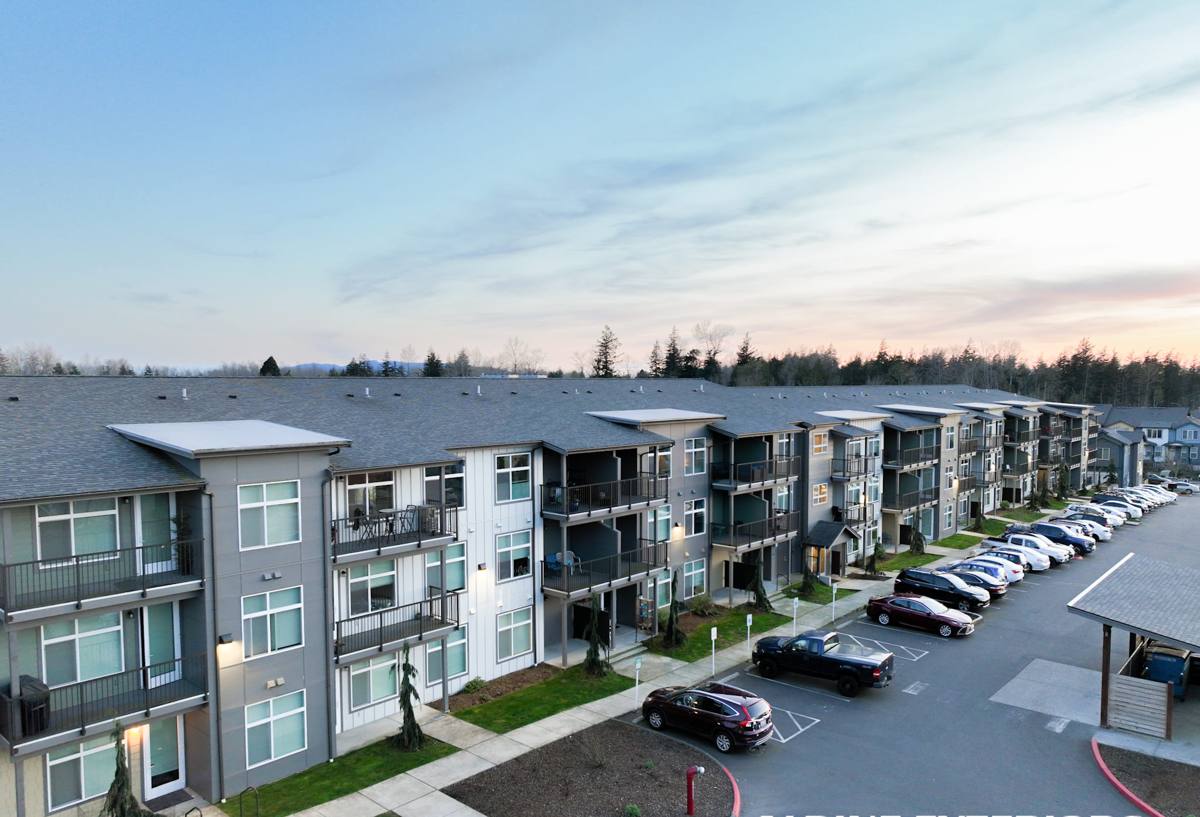
What Local Homes Actually Need From Their Siding
Wind Resistance That Doesn't Rely on the Weakest Fastener
Wind uplift on siding isn't a uniform force — it concentrates at corners, eaves, and open exposures, which describes a lot of Town 'n' Country's mix of single-story ranch homes and older subdivisions with few windbreaks. Siding that's under-fastened, over-driven, or nailed off-pattern will fail at those pressure points first, regardless of how good the material itself is.
UV Stability Without a Repaint Cycle
Florida's UV load is brutal on paint film. Field-applied paint on wood or engineered wood siding chalks, fades, and cracks well ahead of manufacturer estimates in this kind of sun exposure, which turns into a repainting bill every five to eight years whether the siding itself has failed or not.
Moisture Behavior That Doesn't Compound Over Time
Wind-driven rain doesn't just hit siding — it gets pushed up and under laps and around penetrations. The material's ability to shed that water without absorbing it, swelling, or feeding rot behind the surface is the single biggest long-term durability factor in a climate this wet.
Corrosion Resistance From Salt Air
Even well inland from the immediate coastline, salt-laden air accelerates corrosion on fasteners, trim metal, and any component not rated for it. Over years, that's what turns small maintenance items into siding failures.
Why We Install Only James Hardie Fiber Cement — Not Other Brands or Materials
We get asked regularly why we don't offer vinyl, LP SmartSide, primed wood, cedar, or other fiber cement brands like Cemplank or Allura. The honest answer is that we've drawn a line based on what holds up under this specific climate, not a marketing preference:
| Material | Where it struggles in this climate | Why it's not what we install |
|---|---|---|
| Vinyl | Softens and can warp under sustained high heat and direct sun; brittle at fastener points under wind uplift | Shorter functional lifespan and repair-not-repaint limitations |
| Engineered wood (LP SmartSide) | Wood-based core is more moisture-sensitive at cut edges and exposed seams | Higher long-term risk if installation isn't flawless in a wet climate |
| Primed spruce or cedar | Natural wood movement, rot risk, frequent repainting under intense UV | Maintenance burden doesn't fit a climate this demanding |
| Other fiber cement brands | Not engineered with a Florida-specific product line or the same factory finish warranty | We standardized on one system we can install and warranty consistently |
| James Hardie fiber cement | Non-combustible, engineered moisture and UV performance, factory-cured ColorPlus finish | What we install on every job |
None of this means the alternatives are junk products — plenty of them perform reasonably well in the right application. It means that for a coastal-influenced, hurricane-exposed, high-UV market like Hillsborough County, we'd rather install one product system correctly than several products with different tolerances and different failure modes.
The James Hardie System We Install
Climate-Engineered HZ Product Lines
James Hardie engineers its fiber cement in different HZ formulations for different climate zones. Homes in this part of Florida fall in the zone engineered for high humidity, heavy rain, and heat — not the same formulation used in a dry Southwest climate. That distinction matters more than most homeowners realize; it's the difference between a product tuned for this exact set of conditions and one that merely tolerates them.
ColorPlus Factory Finish
Rather than field-applied paint that starts degrading under UV from day one, ColorPlus finish is baked on at the factory in multiple coats, which is a large part of why it holds color and resists fading far longer than a job-site paint job — a meaningful advantage in a market with this much year-round sun.
Fire Performance
Fiber cement is non-combustible. That's not the primary reason most Town 'n' Country homeowners call us, but it's a real difference from vinyl and wood-based products, and it factors into some insurance conversations.
What a Correct Installation Actually Involves
Fiber cement siding is only as good as the installation behind it. Most of the "siding failures" homeowners eventually deal with trace back to shortcuts taken during install, not the material itself. On every job we control for:
- Fastener pattern, type, and depth matched to the wind exposure category of the specific home and elevation
- Proper clearance between siding and grade, roofing, decking, and other transitions so water doesn't wick up into the material
- Correct house wrap and flashing details at every window, door, and penetration — the details that actually stop wind-driven rain
- Butt joints and seams treated per manufacturer spec, not just caulked and hoped for
- Proper gapping and expansion allowance so the material can move with temperature swings without cracking paint or joints
- Corner and trim details that shed water outward instead of channeling it behind the siding
Skip any one of these and you can end up with a warranty-eligible product installed in a way that voids or undermines the very protection it was supposed to provide. This is the part of the job that separates a crew that occasionally hangs fiber cement from one that installs it as its core trade.
Our Process for Town 'n' Country Projects
The steps don't change much from house to house, but the details inside each step do, based on the home's exposure, age, and existing siding condition.
- On-site assessment — we look at the current siding, sheathing condition, moisture history, window and door flashing, and the home's specific wind exposure before quoting anything.
- Written estimate — a clear scope covering material, prep work, tear-off (if needed), and installation, with no vague allowances.
- Removal and substrate check — old siding comes off and we inspect sheathing for rot or damage before anything new goes up. Hidden problems get flagged and discussed before we cover them back up.
- Weather barrier and flashing — house wrap, flashing, and water management details get installed to spec, since this layer does more long-term work than the visible siding itself.
- Siding installation — Hardie boards or panels installed per manufacturer fastening and clearance requirements for this wind zone.
- Trim, caulking, and finish details — the small details that determine whether water sheds correctly for the next several decades.
- Final walkthrough — we go over the finished job with the homeowner before calling it done.
Cost Factors for a Town 'n' Country Fiber Cement Project
Every home is priced individually, but the variables that move the number are consistent:
| Factor | Why it affects cost |
|---|---|
| Home size and number of stories | More surface area and more complex access for a two-story elevation |
| Condition of existing sheathing | Rot repair discovered during tear-off adds material and labor |
| Siding profile chosen | Lap siding, panel siding, and shingle-style products differ in material and labor time |
| Trim and architectural detail | Corners, soffits, fascia, and accent details add finish work |
| Full removal vs. new construction | Tear-off and disposal of old siding adds a labor step full replacement projects require |
We give straightforward, itemized estimates rather than a single number with no explanation of what's driving it — a homeowner comparing quotes should be able to see exactly what they're paying for.
Maintenance and Longevity to Expect
Fiber cement installed correctly is a low-maintenance product, but "low-maintenance" doesn't mean "no maintenance" — especially in this climate. Expect to periodically rinse off salt residue and airborne grime, keep an eye on caulking at trim joints over the years, and address any impact damage (from storm debris, lawn equipment, etc.) promptly rather than letting a small chip become a moisture entry point. Because the ColorPlus finish is factory-applied, you're not on a repaint schedule the way you would be with field-painted wood siding — that's one of the bigger long-term maintenance savings compared to the alternatives.
Why Hiring a Crew That Already Works in Town 'n' Country Matters
Siding work in this part of Hillsborough County isn't generic exterior work — it's work that has to account for local wind exposure categories, humidity-driven moisture behavior, and permitting through the county. A crew that's already done siding in this specific area knows the inspection process, understands how these homes are typically built, and isn't learning the local wind and moisture conditions on your project. When you're vetting a contractor for this kind of job, it's worth checking for a few specific things:
- Manufacturer training or certification for the specific fiber cement system being installed
- A written scope that specifies fastening pattern, flashing details, and clearances — not just "install siding"
- Proper licensing and insurance for exterior work in Hillsborough County
- Willingness to explain what's happening with your existing sheathing before it gets covered up
- A warranty that covers both the material and the labor, in writing
If you're weighing a siding project in Town 'n' Country, we're glad to come take a look and put together a straightforward, no-pressure estimate — no obligation, just a clear picture of what your home needs and what it would cost to do it right. Fill out the form below to get started.