 Tampa Siding
 Building Decks That Actually Hold Up in Westchase
Westchase homeowners ask for a lot of the same things when it comes to outdoor living: a deck that connects the house to the yard or the pool area, holds up through a Florida summer, and doesn't turn into a maintenance chore every few months. That last part is where a lot of decks in this part of Hillsborough County go wrong. The design might look fine on paper, but if the materials and fasteners aren't matched to what this climate actually does to a structure sitting outside year-round, problems show up fast — usually within the first two or three summers.
We build custom decks specifically with Westchase's conditions in mind: long stretches of intense UV, sudden downpours, humidity that doesn't let up, and the real chance of tropical storm or hurricane winds during the season. None of that is exotic information, but it has to actually shape the framing, fastener choice, and decking material you pick — not just the layout.
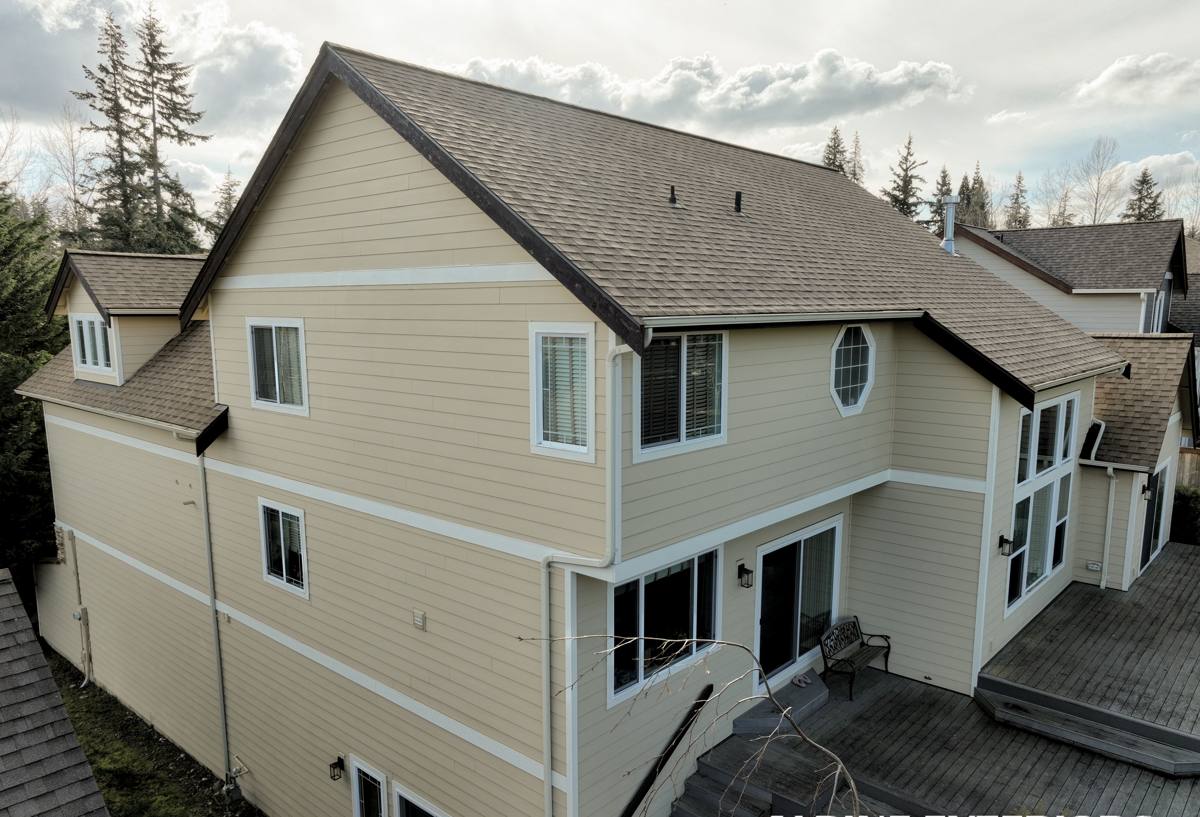
What Tampa's Climate Does to a Deck Over Time
UV and Heat
Florida sun is relentless on exposed wood and composite decking. UV breaks down the lignin in wood fibers, which is why untreated or poorly finished wood grays and gets brittle faster here than it would in a milder climate. Dark-colored composite boards can also get uncomfortably hot underfoot in direct summer sun — something worth thinking through at the design stage, especially for decks near a pool where bare feet are the norm.
Wind-Driven Rain and Humidity
Tampa doesn't get gentle rain most of the year — it gets short, hard downpours, often pushed sideways by wind. That moisture finds its way into any gap in flashing, any exposed end-grain, or any spot where two boards meet without proper spacing. Combined with the area's humidity, wood that isn't detailed correctly for drainage and ventilation underneath stays damp longer than it should, which is when rot and fastener corrosion start.
Salt Air
Westchase isn't right on the coast, but Tampa Bay's salt-laden air still travels inland, especially with onshore winds. Over years, that salt content accelerates corrosion on any fastener, bracket, or hardware that isn't rated for it. It's a slower process than direct coastal exposure, but it's real, and it's one more reason we don't cut corners on hardware selection here.
Wind Load
Hillsborough County's building code reflects the real risk of hurricane-force winds, and a deck attached to your house is a structural element, not just an outdoor amenity. Ledger board attachment, post spacing, and railing anchoring all need to meet code minimums for wind resistance — not just be "sturdy enough" by eye.
What a Correctly Built Deck for This Area Actually Involves
Framing and Structure
We use pressure-treated lumber rated for ground contact where it's in contact with soil or sits low to grade, and we pay close attention to joist spacing so the deck doesn't develop bounce or long-term sag under Florida humidity swings. Ledger board attachment to the house gets proper flashing and fastening — this is one of the most common failure points on older decks we've been called to look at, and it's also a code-enforced detail for a reason.
Fasteners and Hardware
Every screw, bolt, and joist hanger on a deck we build is corrosion-resistant hardware rated for treated lumber contact — standard galvanized fasteners react with the chemicals in modern pressure-treated wood and corrode faster than most homeowners expect, especially with salt air in the mix. It costs a little more upfront. It's not optional in our book.
Decking Material Choice
We'll walk you through the honest trade-offs between wood and composite decking for a Westchase yard:
| Material | Upfront Cost | Maintenance | Heat Underfoot | Typical Lifespan Here |
|---|---|---|---|---|
| Pressure-treated wood | Lower | Annual sealing/staining recommended | Moderate | 10–15 years with upkeep |
| Composite decking | Higher | Occasional washing, no sealing | Higher in dark colors, lower in light colors | 25+ years, manufacturer-warrantied |
| Tropical hardwoods | Highest | Periodic oiling to maintain color | Lower (dense wood, lighter tones common) | 20-25+ years |
None of these is automatically "right" — it depends on your budget, how much upkeep you want to commit to, and how the deck will be used. A pool deck that gets bare feet all summer has different priorities than a shaded deck off a back porch.
Drainage and Airflow Underneath
Proper board spacing and, where the design calls for it, a drainage system beneath the deck keeps water moving instead of pooling against joists. This matters more in Tampa than in drier climates because the ground underneath a deck here rarely gets a chance to fully dry out between rain events during the wet season.
Railings and Code Compliance
Any elevated deck needs railings that meet Hillsborough County code for height and baluster spacing, anchored in a way that holds up to wind load — not just screwed into the surface decking. We handle the permitting and inspection process as part of the build so you're not left guessing whether it'll pass.
Our Process for a Westchase Deck Project
- On-site assessment. We look at your yard, existing structure (if any), drainage patterns, sun exposure, and how you actually plan to use the space.
- Design and material walkthrough. We talk through layout options and material trade-offs honestly, including what fits your budget without setting you up for early maintenance headaches.
- Written estimate. Clear scope, materials, and pricing before anything is signed.
- Permitting. We handle the Hillsborough County permit application and coordinate required inspections.
- Construction. Framing, decking, railings, and hardware installed to code and to the standards outlined above — not the minimum that passes inspection.
- Final walkthrough. We go over the finished deck with you, including basic care guidance for whatever material you chose.
Why a Crew That Already Works Westchase Matters
Deck building isn't unique to Westchase, but the permitting process, the flood and wind provisions in Hillsborough County's code, and the practical lessons about what fails first in this climate are things a crew learns by working here repeatedly — not by reading a manual once. We've built decks throughout the Tampa area and understand the county's inspection expectations, which cuts down on delays and re-work. We also know which details matter most for homes in this specific area, from HOA aesthetic guidelines that are common in planned communities like Westchase to the practical realities of building near mature landscaping and irrigation systems that are typical here.
A contractor unfamiliar with the area might build a deck that would hold up fine in a drier, milder climate — and then be surprised when it starts showing problems in year two. We'd rather get it right the first time.
Signs Your Existing Deck May Need Attention
- Boards that feel spongy, soft, or spring underfoot
- Visible gaps opening up between deck boards or at the ledger connection to the house
- Rust staining around fastener heads or brackets
- Railings that wobble or flex when leaned on
- Standing water or slow drainage underneath the deck after rain
- Gray, splintering wood that hasn't been resealed in several years
- Any visible gap or separation where the ledger board meets the house
If you're seeing any of these, it's worth having it looked at before it becomes a safety issue rather than a repair project.
Cost Factors to Expect
Every deck project is different, but a few factors consistently drive cost up or down:
| Factor | Effect on Cost |
|---|---|
| Deck size and shape complexity | Larger, multi-level, or curved designs cost more in labor and material |
| Material choice (wood vs. composite vs. hardwood) | Biggest single line-item difference in the project |
| Height off grade | Taller decks need more substantial footing and support structure |
| Railing style | Cable, glass, or custom railing designs cost more than standard baluster railing |
| Site access and existing landscaping | Difficult access or established landscaping can add labor time |
| Permitting requirements | Varies by scope; larger or elevated decks may require engineering review |
We'll go through all of this with you during the on-site assessment, with a written estimate that lays out where your money is going.
Get an Honest Look at Your Deck Project
Whether you're planning a new deck from scratch or replacing one that's showing its age, we're happy to come take a look, walk the site with you, and give you a straight answer on what it'll take. There's no pressure and no obligation — just a free estimate from a crew that already knows what Tampa's climate does to outdoor structures and builds accordingly. Fill out the form below to get started.