 Tampa Siding
 Westchase Homes Face a Specific Set of Siding Problems
Westchase sits inland from Tampa Bay, but "inland" in Hillsborough County doesn't mean sheltered. Homes here still take the full brunt of what makes Gulf Coast Florida one of the hardest climates in the country on a home's exterior: sustained hurricane-force winds during storm season, punishing year-round UV exposure, wind-driven rain that gets pushed sideways into wall assemblies, and salt-laden air that travels much farther inland than most homeowners assume. Any siding installed in Westchase has to be engineered for all four of those stresses at once — not just one or two of them.
A lot of what we see when we inspect homes in this neighborhood traces back to siding or trim materials that were never designed for this specific combination. Wood trim that looked fine when it went in starts absorbing moisture at the joints. Vinyl panels warp or fade unevenly on the side of the house that takes the most afternoon sun. Cheaper fiber cement or engineered wood products installed without the right flashing details let water behind the wall, where it does damage nobody sees until there's a soft spot or a musty smell inside.
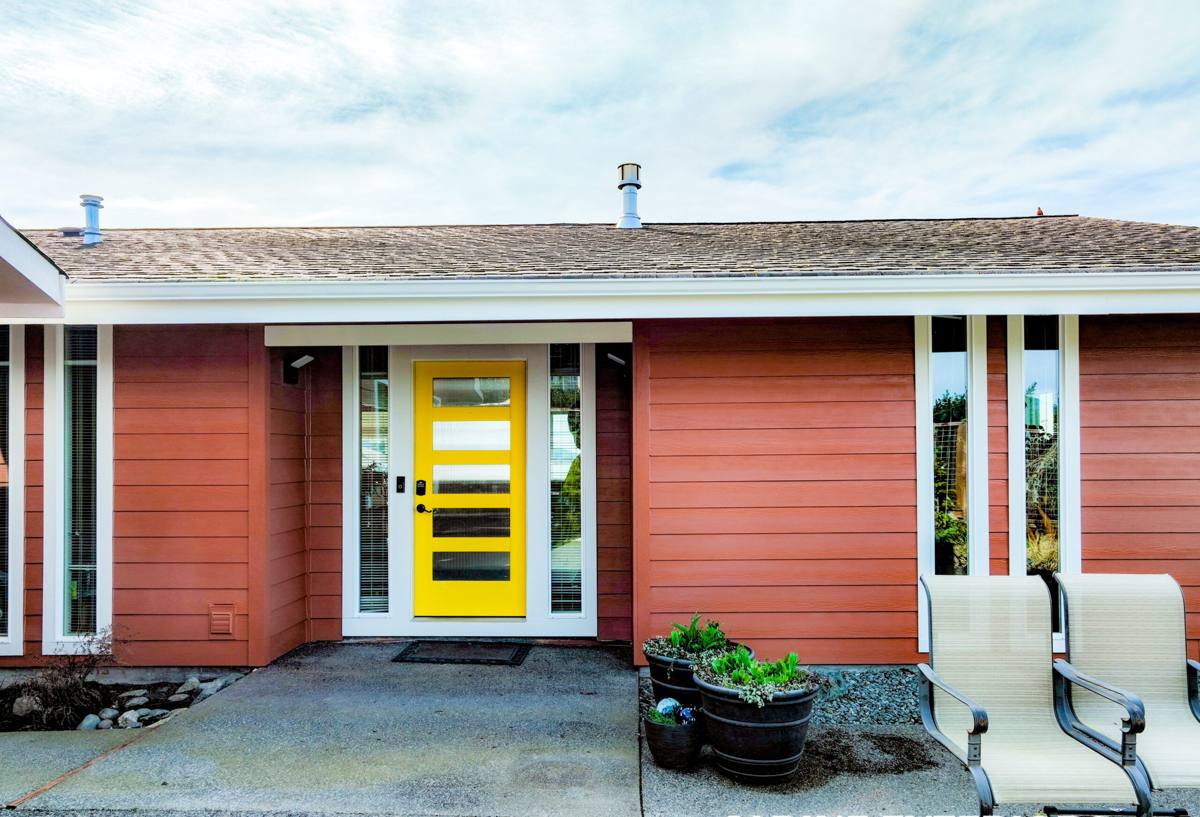
What a Correct Siding Installation Actually Requires Here
"Correct installation" isn't a marketing phrase — it's a specific list of details that either get done right or don't. In a climate like Tampa's, skipping any one of these is where premature failures start.
Moisture management comes first
Every seam, window, and door opening needs a proper weather-resistant barrier and flashing sequence before the first piece of siding goes up. Wind-driven rain in this region doesn't fall straight down — it gets pushed horizontally and even upward under eaves and around openings. If the water-management layer underneath the siding isn't detailed correctly, the siding itself can look perfect while the sheathing behind it slowly rots.
Fastening has to account for wind uplift
Hillsborough County's wind-load requirements exist because they're needed. Fastener type, spacing, and placement all change based on the product and the wall assembly, and manufacturer installation instructions spell out exact nailing patterns for a reason — those patterns are what the wind ratings are based on. Installing siding with the wrong fastener spacing can void a manufacturer's warranty even if the siding itself is a good product.
Clearances and gaps matter more in Florida
Siding installed tight against roofing, decking, or the ground traps moisture and invites wood-destroying insects — a real concern in this climate. Manufacturer specs call for specific clearances at grade, roof lines, and trim; those numbers aren't arbitrary, they're based on how quickly humidity and standing water become a problem here.
Why We Install Only James Hardie Fiber Cement
We don't offer a menu of siding brands for Westchase homeowners to choose from, and that's intentional. We install James Hardie fiber cement exclusively because it's the product that consistently holds up to this specific climate without the maintenance headaches or moisture risks we've seen in other materials.
Built for humid, high-UV, storm-prone regions
James Hardie engineers its HZ10 product line specifically for climates like ours — high humidity, heavy rain exposure, and intense sun. Fiber cement doesn't expand and contract with temperature swings the way vinyl does, and it doesn't absorb and swell with moisture the way wood-based products can. That matters in a place where a home's exterior might see 95-degree, high-humidity afternoons and a tropical storm in the same month.
ColorPlus finish resists what Florida sun does to paint
UV exposure here is relentless year-round, not seasonal. Hardie's factory-applied ColorPlus finish is baked on and warrantied against fading and chipping in a way field-applied paint simply isn't. For homeowners who've repainted trim every few years because the sun-facing side of the house always fades first, that's a real difference, not a sales pitch.
Non-combustible and backed by a real warranty
Fiber cement is non-combustible, which matters for insurance considerations and long-term peace of mind. James Hardie also backs its products with a transferable limited warranty, which carries weight at resale — something worth factoring in for a neighborhood with the kind of long-term homeownership Westchase tends to see.
How Our Process Works on a Westchase Job
- On-site inspection: We walk the full exterior, checking current siding or stucco condition, trim, window and door flashing, and any signs of existing moisture intrusion before quoting anything.
- Tear-off and substrate check: Once old siding or damaged material comes off, we inspect the sheathing underneath. Any soft or water-damaged wood gets addressed before new siding goes up — covering a problem is worse than finding it.
- Weather barrier and flashing installation: This is the step that determines whether the house stays dry for the next 30 years, done to manufacturer spec around every penetration.
- James Hardie installation: Panels, planks, or trim installed per manufacturer fastening and clearance specifications, with attention to the wind-load requirements that apply in Hillsborough County.
- Final inspection and cleanup: We check seams, caulking, and trim details, then clear the site of debris.
Siding Material Comparison for This Climate
| Material | Wind/Storm Durability | Moisture Behavior | UV/Fade Resistance | Long-Term Maintenance |
|---|---|---|---|---|
| James Hardie Fiber Cement | Engineered for high-wind zones; HZ10 line built for climates like Tampa's | Does not swell or rot; resists moisture-driven damage when installed correctly | Factory ColorPlus finish resists fading | Low — no repainting cycle needed for most ColorPlus products |
| Vinyl | Can warp, crack, or blow off in high winds | Doesn't absorb water itself, but seams can let moisture behind the panel | Fades and becomes brittle under sustained UV | Low material upkeep, but limited lifespan in intense sun |
| Engineered Wood (e.g. LP SmartSide) | Moderate; performance depends heavily on correct installation and sealing | Wood-based core is vulnerable if moisture gets past the coating | Field-applied or factory finishes vary in fade resistance | Higher — edge sealing and caulking need regular attention |
| Cedar/Primed Wood | Poor to moderate without heavy maintenance | Absorbs moisture readily; prone to rot in humid climates | Requires repainting or restaining on a regular cycle | High — ongoing sealing, painting, and pest monitoring |
What We See Most Often on Westchase Homes
Westchase includes a lot of homes built during the development booms of the 1990s and 2000s, which means a meaningful share of the neighborhood is now old enough that original exterior materials are reaching or past their practical lifespan. The patterns we run into most:
- Stucco cracking at control joints and around window openings, sometimes letting water track behind the wall assembly
- Wood trim and fascia showing soft spots or paint failure from years of Florida sun and humidity cycling
- Sun-faded siding or trim on south- and west-facing elevations, where UV exposure is heaviest
- Caulking and sealant failure around windows and doors after repeated wet-dry and heat-cool cycling
- HOA architectural guidelines that homeowners need to account for when choosing colors and profiles for a replacement
Because many Westchase properties share similar construction eras and HOA-driven architectural styles, a crew that's already worked in the neighborhood tends to spot these patterns faster and knows what documentation or approval process a given community section typically expects.
Maintenance Checklist for Hardie Siding in a Coastal-Adjacent Climate
Fiber cement is low-maintenance compared to the alternatives, but "low-maintenance" doesn't mean "no maintenance." A short annual routine keeps a Hardie installation performing at its best:
- Rinse siding with a garden hose once or twice a year to clear salt residue and airborne grime — pressure washers should be avoided or used only on a low setting from a distance
- Inspect caulking around windows, doors, and trim joints annually and re-caulk any cracked or separated sections
- Walk the exterior after major storms to check for impact damage from debris
- Keep irrigation heads and sprinklers from spraying directly onto siding, which can cause mineral staining over time
- Trim back landscaping so foliage isn't holding moisture against the wall surface
Why a Crew That Already Works in Westchase Matters
Siding installation isn't just a product question — it's a local-knowledge question. A contractor who regularly works in this part of Hillsborough County already understands the permitting process the county requires, has a working sense of the architectural review expectations common to Westchase's HOA-governed sections, and has seen firsthand how homes in this specific micro-climate age. That translates into fewer surprises mid-project: the right flashing details from day one, realistic timelines that account for Florida's wet season, and a finished job that matches both manufacturer specification and neighborhood expectations.
It also means faster response if something needs attention after the job is done. A crew with an ongoing presence in Westchase isn't starting from zero if a homeowner calls with a question a year or two down the road.
Cost Factors for a Westchase Siding Project
| Factor | Why It Affects Cost |
|---|---|
| Home size and number of stories | More square footage and higher elevations mean more material and labor time |
| Current siding removal | Tear-off of stucco, old wood, or vinyl adds labor beyond a straightforward re-side |
| Substrate repair | Water-damaged sheathing found during tear-off needs to be replaced before new siding goes on |
| Trim and architectural detail | Homes with more corners, dormers, or decorative trim take more time to detail correctly |
| Product line and profile | HZ10 panel and plank styles vary in material cost depending on texture and width |
| Color and finish | Factory ColorPlus finishes have different pricing than primed-for-paint options |
Every Westchase home is different, and the only way to give an accurate number is to see the specific house, its current siding condition, and its layout in person.
If you're weighing a siding project in Westchase, we're glad to walk the exterior with you, point out anything we find, and put together a straightforward, no-pressure estimate — no obligation, no pressure, just a clear look at what your home actually needs.