 Tampa Siding
 Ybor City's Climate Is Hard on Siding
Ybor City sits close to Tampa Bay, which means every exterior surface here deals with a combination most inland siding never has to handle: hurricane-force wind gusts, wind-driven rain that gets pushed sideways into joints and seams, near-constant UV exposure, and a steady dose of salt in the air. None of these forces are occasional. They're baseline conditions for a home in this part of Hillsborough County, year after year. Siding that's rated for "normal" weather in a lot of the country gets tested here in ways it was never designed for.
That combination is why so many homes in this neighborhood show premature fading, warping, cracking, or moisture damage on their siding well before it should be due for replacement. It's not bad luck — it's a product-to-climate mismatch. The fix isn't just "new siding," it's the right siding installed the right way for this specific environment.
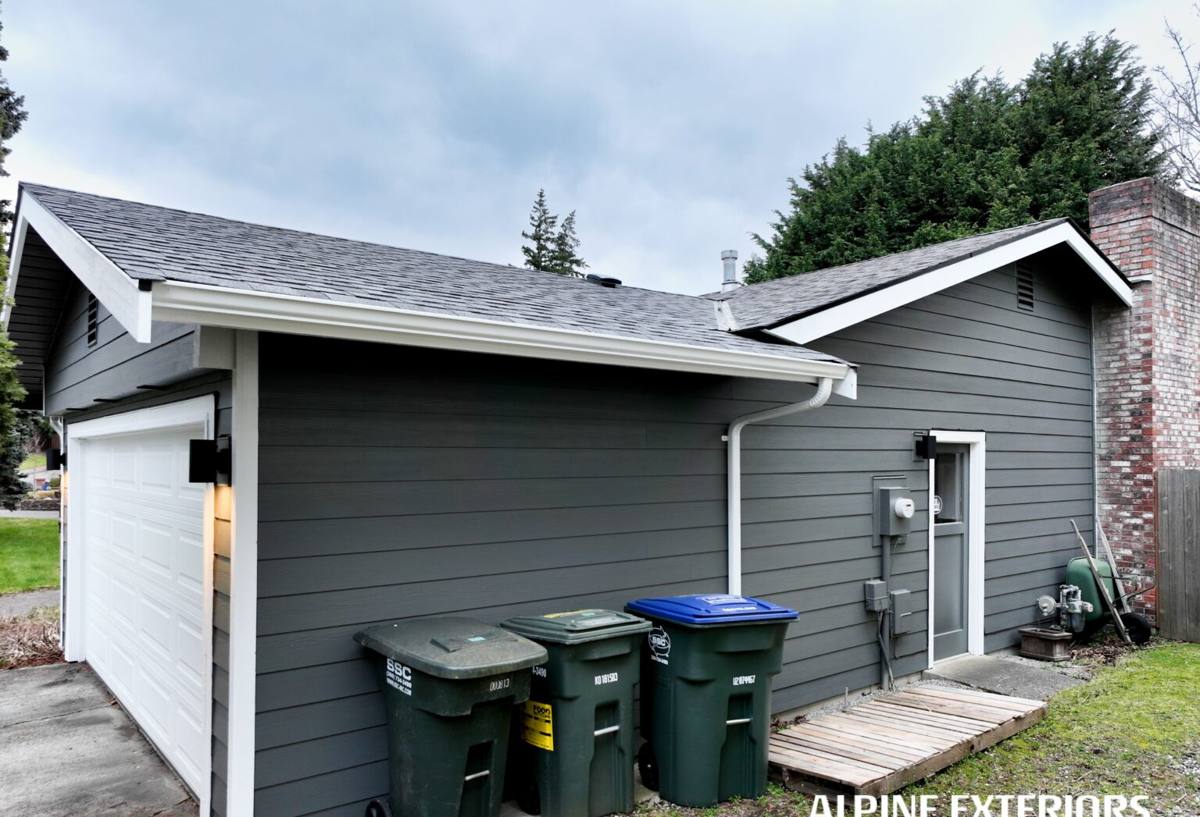
What Ybor City Homes Are Actually Working With
Older Housing Stock
Ybor City has a lot of older homes — historic bungalows, shotgun-style houses, and other early-1900s construction styles that have been re-sided at least once, sometimes several times, over the decades. Many of these houses are still wearing whatever siding was popular or affordable at the time of a past renovation, and that material is often well past the point where it's doing its job.
Newer Infill Construction
Alongside the historic stock, there's newer residential and mixed-use construction filling in lots around the neighborhood. These homes don't have the age-related wear issues, but they still face the exact same wind, rain, sun, and salt exposure — and builder-grade siding on new construction is not always chosen with that exposure in mind.
Historic District Considerations
Because parts of Ybor City carry historic designation, exterior changes on some properties may involve an extra layer of review before work begins. If your home falls into that category, it's worth checking with the city on what's required before any siding project starts — it can affect timeline and material or color choices, and a contractor who's done work in the area before can help you anticipate that instead of finding out mid-project.
Why We Install Only James Hardie Fiber Cement
We don't install vinyl, LP SmartSide, Cemplank, Allura, or primed wood siding — not because there's no market for them, but because after years of doing exterior work in this climate, James Hardie is the only product we're willing to put our name behind for a Tampa-area home. It's fiber cement, not a coated wood composite or a plastic extrusion, which changes how it behaves in heat, moisture, and wind. It's non-combustible. It holds a factory-applied ColorPlus finish instead of relying entirely on job-site paint, and Hardie makes a version of its product line — HZ5 — specifically engineered for high-humidity, hurricane-exposed climates like ours. It also carries a strong, transferable warranty when installed correctly, which matters if you ever sell the house.
That's the whole reason this company standardized on one manufacturer instead of offering several. A siding crew that installs everything ends up specializing in nothing. We'd rather install one product extremely well than half a dozen products adequately.
The Right James Hardie Products for This Neighborhood
HardiePlank Lap Siding (HZ5)
This is the standard choice for most Ybor City homes, historic and new alike. HZ5 is Hardie's climate-specific engineering for the Gulf Coast and similar zones — it's formulated to resist the moisture and humidity swings that cause ordinary siding to warp, swell, or delaminate over time.
HardieShingle for Historic-Style Texture
For homes where the goal is to preserve a period look — a bungalow with a shingle or cottage-style original facade, for example — HardieShingle gives that staggered, textured appearance without the maintenance burden of actual wood shingles baking in Florida sun.
Trim, Fascia, and Soffit
Matching Hardie trim products finish out the job so the whole exterior envelope — not just the field siding — is built from the same climate-engineered material. Mixing a good field material with mismatched wood trim just moves the failure point somewhere else on the house.
What a Correct Installation Involves Here
James Hardie siding performs the way it's supposed to only when it's installed to spec. In a wind and salt environment like Ybor City's, the installation details matter more, not less, than they would somewhere calmer.
| Climate Factor | What It Does to Siding Over Time | What a Correct Install Addresses |
|---|---|---|
| Hurricane-force wind gusts | Loosens improperly fastened panels; drives rain into gaps | Correct fastener type, spacing, and penetration depth per Hardie spec and wind zone |
| Wind-driven rain | Forces water sideways and upward into seams and butt joints | Proper flashing, house wrap integration, and joint treatment — not just caulk alone |
| Intense year-round UV | Fades and breaks down finishes not designed for constant sun | Factory-baked ColorPlus finish instead of field-applied paint |
| Salt air | Accelerates corrosion of fasteners and trim hardware | Corrosion-resistant fastener specification appropriate for coastal exposure |
Fastening and Flashing
Every panel needs the right fastener driven at the right depth and spacing — overdriven or underdriven nails are one of the most common causes of early Hardie siding failure, and it's a mistake that doesn't show up until a storm finds it. Flashing above windows, doors, and any horizontal trim has to shed water outward, not let it pool against the wall assembly.
Moisture Management Behind the Cladding
Siding is one layer of a wall system, not the whole system. A proper water-resistive barrier behind the Hardie panels, with correctly lapped and taped seams, is what actually keeps wind-driven rain from reaching the sheathing — the siding is the first line of defense, not the only one.
Sealant and Joints
Butt joints, corners, and penetrations around hose bibs, vents, and light fixtures are where wind-driven rain finds its way in if they're rushed. These get treated as part of the water-management plan, not as an afterthought once the panels are up.
Our Process for an Ybor City Siding Job
- Assessment: We look at the existing siding, the wall assembly behind it, and any moisture or rot damage before quoting anything — you can't spec a job correctly without knowing what's underneath the current siding.
- Prep: Damaged sheathing, trim, or framing gets addressed before new siding goes on. Covering up an existing moisture problem with new siding just hides it.
- Installation to manufacturer spec: HZ5 panels, correct fasteners, proper flashing, and water-resistive barrier detailing — installed to James Hardie's published specifications, which is also what keeps the manufacturer's warranty intact.
- Final walkthrough: We check fastening, joints, and finish details before calling the job done, not just from the ground but up close.
Living With James Hardie Siding in This Climate
Correctly installed HZ5 siding is genuinely low-maintenance compared to wood, vinyl, or engineered wood products, but low-maintenance doesn't mean no maintenance — especially this close to Tampa Bay. A little routine attention keeps the material performing the way it's supposed to for the long haul.
Routine Care in Salt Air and Sun
Rinsing the exterior periodically helps clear salt residue and airborne grit before it builds up, and it's worth walking the perimeter once or twice a year to check caulked joints, trim seams, and anywhere two pieces of siding meet. Caulk is a maintenance item on any house — it's the first thing that should get checked and refreshed, not the siding itself.
After a Major Storm
Following any significant wind event, it's worth a visual check for loose panels, displaced trim, or any spot where a fastener may have worked free. Catching that early is a five-minute fix; ignored, it's an opening for the next round of wind-driven rain to get behind the cladding.
What to Ask Before You Hire a Siding Contractor Here
Not every contractor who says they install James Hardie is installing it correctly, and not every crew that works around Tampa has real experience with what Ybor City's older housing stock and coastal exposure demand. Before you sign anything, it's worth asking:
- Are you a James Hardie-specific installer, or do you also offer several other siding brands?
- Which HardieZone product — HZ5 or HZ10 — would you use here, and why?
- How do you handle moisture or rot found underneath the existing siding once it's removed?
- What's your fastening and flashing approach for wind exposure this close to the water?
- Have you worked on homes in Ybor City or similar historic Tampa neighborhoods before?
- What does the manufacturer's warranty require from the installation, and will your work meet it?
Why Local Experience in Ybor City Matters
A crew that already works in this neighborhood knows what tends to be hiding behind older siding here, understands the wind exposure this close to Tampa Bay, and isn't guessing if a historic-district property comes up. That familiarity shows up as fewer surprises mid-project and a finished job that's actually built for what this specific location throws at it — not a generic install that happens to be located in Florida.
Hillsborough County's coastal exposure, combined with Ybor City's mix of historic and newer homes, means there's no one-size answer to a siding job here. The right approach depends on the house, its age, its current siding, and how exposed it is to wind and salt — which is exactly why an on-site assessment matters more than a phone quote.
If your Ybor City home's siding is fading, cracking, or showing moisture damage, we're happy to take a look and walk you through what James Hardie would involve for your specific house — no pressure, no obligation. Request a free estimate below.