 Tampa Siding
 Why Brandon Homes Need a Siding System Built for This Climate
Brandon sits inland from Tampa Bay, but "inland" doesn't mean "protected" when a tropical system rolls through Hillsborough County. Homes here still take wind-driven rain from the same storms that hit the coast, they still bake under nine months of intense Florida UV every year, and humidity sits high enough for long stretches that any weak point in a siding system becomes a moisture problem fast. Add in the afternoon thunderstorm pattern that defines a typical Brandon summer — heat, humidity, then a sudden downpour, sometimes with real wind behind it — and you have a climate that is genuinely hard on exterior building materials.
This isn't a coastal-only conversation. Wind-driven rain doesn't need salt air to cause damage; it needs a gap, a poorly lapped seam, or caulk that's given up. UV doesn't care how far you are from the water; it breaks down unprotected paint and cheap coatings the same way inland as it does on Bayshore. The siding on a Brandon home has to handle sustained heat cycling, occasional hurricane-force gusts, and heavy seasonal rain — every single year, not just during a named storm.
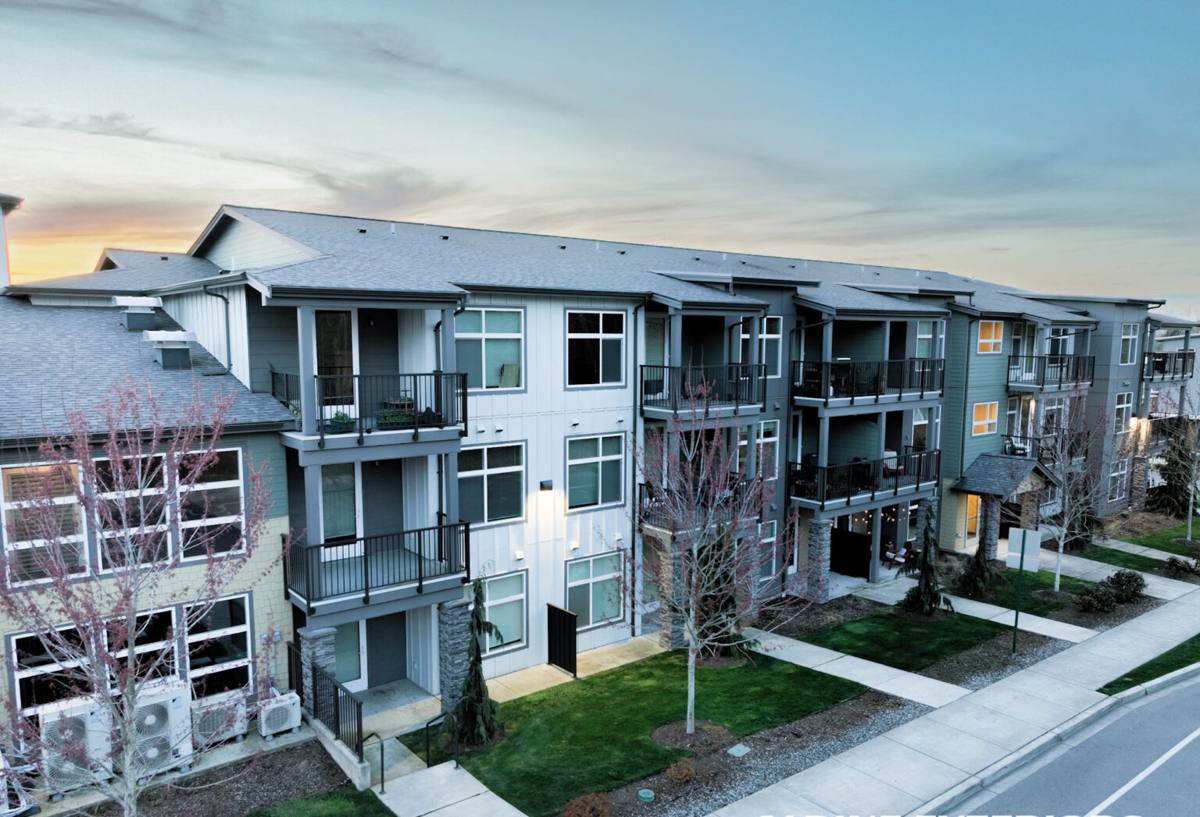
What James Hardie Brings to a Brandon Installation
James Hardie fiber cement siding is engineered specifically for climates like this one. It's a cement-based product, not wood or vinyl, which means it doesn't warp, rot, or become brittle in extreme heat the way some alternative materials do over time. A few things matter specifically for Brandon:
Non-Combustible Composition
Fiber cement is non-combustible. That's a real advantage in Florida's dry spells and during wildfire-adjacent conditions inland, and it's one of the reasons insurance carriers increasingly look favorably on Hardie siding versus combustible alternatives.
HZ5 Engineering for Florida Conditions
James Hardie makes climate-specific product lines, and the HZ5 line is engineered for the exact combination of heat, humidity, and moisture exposure that defines Central Florida. It's not a generic siding product with a Florida sticker on it — the formulation and installation specs account for this region's weather patterns.
ColorPlus Factory Finish
Instead of relying on field-applied paint that starts degrading under UV almost immediately, ColorPlus finish is baked on at the factory in multiple coats, backed by its own finish warranty. That matters in a market where the sun does real work on exterior paint every single year.
Moisture Resistance That Doesn't Depend on a Perfect Paint Job
Because fiber cement doesn't absorb and swell the way wood-based products can, it holds up better through the wet-dry cycling that Hillsborough County sees every rainy season, provided the installation details — flashing, gaps, fastening — are done correctly. That last part is doing a lot of work in that sentence, and it's worth its own section.
What a Correct Installation Actually Requires
Hardie siding is only as good as the installation behind it. The product is engineered well; most siding failures we get called out to inspect trace back to installation shortcuts, not the material itself. For a Brandon home, that means paying close attention to:
- Proper starter strip and clearance at the bottom of the wall so water has somewhere to go, not somewhere to sit
- Correct fastener type, spacing, and depth — Hardie specifies this precisely, and over- or under-driven nails compromise the whole panel
- Weather-resistant barrier installed and lapped correctly behind the siding, not just present
- Flashing at every window, door, and roofline intersection — the single most common source of hidden water intrusion
- Correct panel and joint gaps, caulked with a product rated for sustained UV and movement, not whatever was on the truck
- Field-cut edges sealed per manufacturer spec, since raw cut edges are more vulnerable to moisture than factory edges
Skip any one of these and you can still end up with a wall that looks right for a year or two before a problem shows up — usually after it's already caused damage behind the siding, not on top of it.
How Our Process Works on a Brandon Job
1. On-Site Assessment
We walk the home, check the current siding and substrate condition, look at trouble spots around windows, roofline transitions, and any areas showing existing moisture or paint failure, and talk through what the house actually needs — not a generic package.
2. Product and Color Selection
We only install James Hardie, so this step is about picking the right HZ5 profile and ColorPlus finish for the home's style and HOA requirements where applicable, not comparing brands.
3. Prep and Substrate Check
Before any new siding goes up, we confirm the sheathing underneath is sound. In Hillsborough County's humidity, it's common to find soft spots or prior water damage hiding under old siding, and that gets addressed before anything new is installed over it.
4. Weather Barrier and Flashing
This is the step that determines whether the house stays dry for the next 30-plus years or develops a slow leak in five. We install and lap the weather-resistant barrier correctly and detail flashing at every penetration and transition point.
5. Installation to Manufacturer Spec
Panels go up following James Hardie's fastening, spacing, and clearance requirements — not shortcuts that speed up the job but leave the system vulnerable to wind-driven rain or UV-driven caulk failure.
6. Final Inspection and Walkthrough
We check seams, caulk lines, and trim details, then walk the property with the homeowner before calling the job finished.
Why a Crew That Already Works Brandon Matters
Local experience isn't a marketing line here — it changes real decisions on the job. A crew that regularly works Hillsborough County jobs already knows what typically hides under older siding on homes of this area's common ages and construction styles, understands how the county's permitting and inspection process runs, and has already seen how the local wind and rain pattern stresses a wall over multiple seasons rather than guessing from a spec sheet. That translates into fewer surprises mid-project and a finished install that's actually built for what Brandon weather does to it every year, not just what it looks like on installation day.
Cost Factors for a Brandon James Hardie Project
Every home is different, but the main variables that move a project's price are consistent. We give firm numbers only after an on-site assessment, but here's what generally drives cost up or down:
| Factor | How It Affects Cost |
|---|---|
| Home size and wall complexity | More square footage and more corners, gables, and trim details mean more labor and material |
| Substrate condition | Rotted or water-damaged sheathing found during tear-off adds repair work before new siding goes up |
| Siding profile chosen | Lap siding, shingle-style panels, and board-and-batten each have different material and labor costs |
| Trim and accessory scope | Full trim replacement versus reusing sound existing trim changes both cost and long-term appearance consistency |
| Story height and access | Two-story sections and difficult access points increase labor time and equipment needs |
| Existing siding removal | Full tear-off versus installing over a compatible existing surface (where appropriate) changes labor scope |
Signs a Brandon Home May Need New Siding Now
Some warning signs are easy to miss until they've been developing for a while. Worth checking for:
- Visible warping, buckling, or soft spots when pressed on existing siding panels
- Peeling or bubbling paint, especially on south- and west-facing walls that take the most UV
- Cracked or missing caulk at seams, windows, and trim joints
- Discoloration or staining that suggests water is tracking behind the siding rather than off of it
- Higher-than-expected cooling bills, which can point to compromised insulation behind failing siding
- Visible gaps or separation at panel joints after a storm season
None of these guarantee a full replacement is needed, but each one is worth a professional look before it becomes a bigger repair.
What Hardie's Warranty Means for a Brandon Homeowner
James Hardie backs its siding with a strong, transferable limited warranty, and ColorPlus finishes carry their own separate finish warranty covering fade and chip resistance. Transferability matters in a market where homes change hands — new owners inherit the coverage, which is a real selling point if the home is ever listed. That said, warranty coverage depends on installation meeting manufacturer specifications, which is exactly why the installation details covered above aren't optional extras — they're what keeps the warranty valid if something ever needs to be addressed down the line.
If your Brandon home's siding is showing its age, or you're planning ahead of the next storm season, we're happy to take a look and give you a straightforward, no-pressure estimate for James Hardie siding built for this climate. Use the form below to get started.