 Tampa Siding
 Why Clearwater Roofs Need to Be Built for This Climate
A roof in Clearwater works harder than a roof almost anywhere else in the country. It has to shrug off hurricane-force wind gusts, survive year-round UV exposure that's more intense than most of the continental U.S., shed wind-driven rain that comes in sideways during summer storms, and resist the slow corrosion that salt-laden Gulf air causes on anything metal. Asphalt shingles were never really designed for that combination of stress. Metal roofing, installed correctly, handles it — but "installed correctly" is doing a lot of work in that sentence, and it's the part that separates a roof that lasts decades from one that fails at the seams during the first bad storm.
This page covers what metal roofing means specifically for a Clearwater home: how the local climate factors into material choice and installation detail, what a correct job looks like, and what our process is when we take on a project in this area.
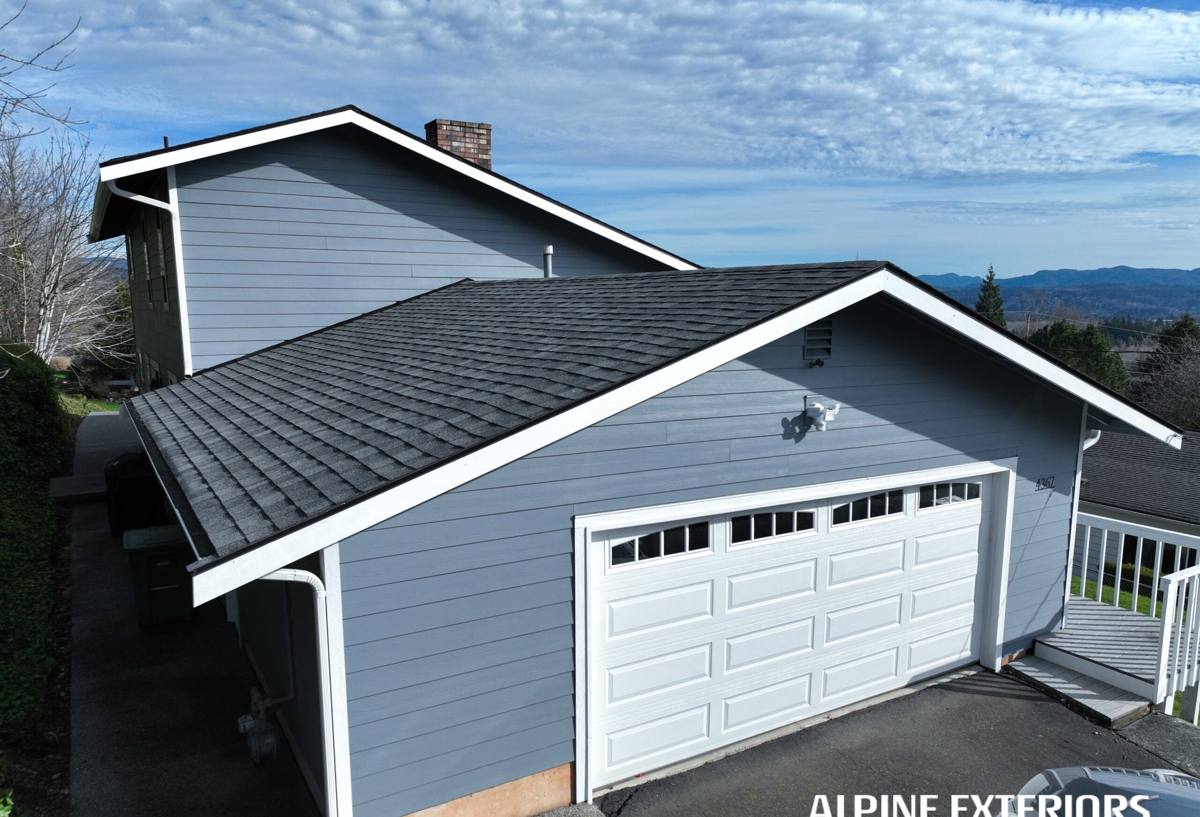
How Metal Roofing Stands Up to Tampa Bay Area Weather
Wind Uplift and Hurricane Exposure
The biggest structural threat to any roof in this region is wind uplift — the force that tries to peel roofing material up and off the deck during high winds. Metal roofing, when fastened per manufacturer spec and matched to the right panel profile, resists uplift far better than shingles because it's mechanically fastened or interlocked as a continuous system rather than a shingle-by-shingle layer that relies on adhesive strips and nail penetration alone. The fastening pattern, panel gauge, and clip spacing all have to be chosen for the wind exposure of the specific home — a house in an open, unshielded lot takes more load than one tucked behind trees and neighboring structures.
UV Exposure Year-Round
Florida sun is relentless, and it's on the roof twelve months a year, not just in summer. UV breaks down organic roofing materials over time — it's what causes asphalt shingles to granule-loss and go brittle years before their rated lifespan in this climate. Metal doesn't have that failure mode. The coating system does the work of holding color and reflectivity over time, which is why the quality of the paint finish matters as much as the metal underneath it.
Salt Air and Coastal Corrosion
Clearwater sits close enough to the Gulf that salt-laden air is a real factor in material selection, even a few miles inland. Salt accelerates corrosion on bare or poorly coated metal, and it's harder on some fastener and flashing materials than others. This is why coating quality, fastener material, and even how dissimilar metals are kept from touching each other (to avoid galvanic corrosion) all matter more here than they would on a metal roof going up in a landlocked climate.
Wind-Driven Rain
Summer storms here don't just drop rain straight down — wind pushes it sideways and up under laps, flashing, and fastener penetrations that a calmer climate would never test. A metal roof's water-shedding performance depends almost entirely on details most homeowners never see: underlayment selection, lap and seam design, and flashing at every roof-to-wall, valley, and penetration point. Get those details wrong and a metal roof can leak in conditions that a correctly built one handles without issue.
Panel Types and Metal Options
Not every metal roofing system is built the same way, and the right choice depends on the home's roof pitch, budget, and how much of a factor wind and salt exposure are for that particular lot.
| Panel Type | How It's Attached | Best Fit | Trade-Offs |
|---|---|---|---|
| Standing seam | Concealed clips, no exposed fasteners | Homes prioritizing wind and water performance, longevity | Higher material and labor cost |
| Exposed fastener (screw-down) | Screws driven through the panel face into the deck or purlins | Budget-conscious projects, outbuildings, some roof pitches | Fasteners need periodic inspection and re-torquing over time |
| Metal shingle / shake profile | Interlocking panels styled to resemble shingle or shake roofing | Homeowners who want a metal roof's performance with a more traditional look | More seams and interlocks than standing seam; installation accuracy matters |
For coastal-influenced areas like Clearwater, we lean toward systems with concealed fasteners and marine-grade coatings whenever the budget allows, simply because they hold up longer against the combination of salt air and wind-driven rain. Exposed-fastener systems aren't wrong — they're a legitimate, more affordable option — but they carry more long-term maintenance because every one of those exposed screws is a potential entry point for water once the washer seals age.
What a Correct Metal Roof Installation Actually Involves
Deck and Underlayment
Everything starts with the deck. If there's rot, delaminated sheathing, or soft spots, metal panels going over it are just hiding a problem that will surface later. Once the deck is confirmed sound, the underlayment goes down — for this climate, that generally means a high-temperature synthetic or self-adhered membrane rated for the heat a metal roof holds under direct Florida sun, with extra attention paid to eaves, valleys, and penetrations where wind-driven rain concentrates.
Fastening and Panel Attachment
Panel spacing, clip type, and fastener pattern all need to match the wind load the specific roof will see — this isn't a one-size-fits-all spec. Over-fastening doesn't make a roof stronger; it can actually restrict the metal's ability to expand and contract with temperature swings, which leads to oil-canning or stress cracking at fastener points over time. Under-fastening is the more obvious risk — it's what leads to panels lifting in a storm.
Flashing and Penetrations
Every place the roof plane is interrupted — a wall intersection, a vent pipe, a valley, a chimney — is where leaks actually start. Flashing has to be formed and layered correctly with the panel system, not just caulked and hoped for. Caulk and sealant have their place as a secondary defense, but they're not a substitute for correct mechanical flashing, especially with the sun exposure and thermal cycling this climate puts on any sealant.
Our Process for Clearwater Metal Roofing Projects
- Inspection and assessment — we look at the existing roof, deck condition, and the home's specific wind exposure before recommending a system.
- Written estimate — a clear scope covering panel type, underlayment, flashing details, and what's included, so there are no surprises mid-project.
- Permitting — metal roofing work in this area goes through the local building department, and the permit and inspection process is handled as part of the job, not left to the homeowner.
- Tear-off or overlay decision — based on deck condition and code requirements, we determine whether the existing roofing needs to come off first.
- Installation — deck repair as needed, underlayment, panel installation, and flashing, done in the sequence that keeps the home protected even if weather interrupts the schedule.
- Final walkthrough and cleanup — a completed job includes a magnetic sweep for stray fasteners and a final check of every flashing and penetration point.
What Metal Roofing Costs in the Clearwater Area
Metal roofing costs more upfront than asphalt shingles, and the range depends on several factors specific to the home and the job:
| Cost Factor | Why It Matters |
|---|---|
| Panel type | Standing seam costs more than exposed-fastener panels due to material and labor |
| Roof pitch and complexity | Steep pitches, multiple valleys, and dormers add labor time and flashing work |
| Deck condition | Rotted or damaged sheathing found during tear-off adds repair cost |
| Coating and gauge | Heavier gauge metal and premium coatings cost more but last longer in salt air and UV exposure |
| Tear-off vs. overlay | Removing existing roofing adds labor and disposal cost but is often the correct approach |
Because of these variables, we don't quote metal roofing over the phone with any real accuracy — an honest number requires seeing the roof.
Maintenance: What Actually Needs Attention
One of metal roofing's real advantages is how little routine maintenance it needs compared to shingles — but "little" isn't "none," especially in a climate this hard on materials. A homeowner can reasonably keep an eye on:
- Debris buildup in valleys and around penetrations after storms
- Any visible fastener that looks backed out or has a cracked washer (screw-down systems only)
- Sealant or caulk at flashing points showing cracking or gaps after a few years of sun exposure
- Scratches or scuffs in the coating from fallen branches, which should be touched up to prevent localized corrosion
- Gutters and downspouts staying clear so water sheds off the roof the way the system was designed to
None of this requires a ladder trip after every storm — a periodic look, especially after a significant wind event, is usually enough to catch small issues before they become leaks.
Why Hiring a Crew That Already Works in Clearwater Matters
A metal roof is only as good as the details behind the panels, and those details change based on where the house sits. A crew that regularly works Clearwater and the surrounding Tampa Bay area already knows the local permitting process, has a working sense of which lots see the harshest wind exposure, and has made the coating and fastener decisions that hold up against salt air often enough to know what actually works versus what looks fine on paper. That's different from a crew installing metal roofing occasionally, or one based somewhere the climate doesn't demand this level of attention to wind and moisture detail. It's also worth asking any contractor directly about their licensing, insurance, and manufacturer certifications before signing anything — a legitimate metal roofing installer should have all three and be glad to show them.
If you're weighing metal roofing for a home in Clearwater or elsewhere in the Tampa Bay area, we're happy to take a look and put together a straightforward estimate — no pressure, no hard sell, just an honest read on what your roof needs. Use the form below to get started.