 Tampa Siding
 Building a Deck That Actually Holds Up in Ybor City
Ybor City sits close enough to Tampa Bay and the shipping channel that salt air is a daily fact of life, not an occasional nuisance. Add in Hillsborough County's intense year-round UV, the sudden wind-driven downpours that roll through most afternoons in summer, and the real chance of hurricane-force winds during storm season, and you've got one of the tougher environments in the state to build an outdoor structure that lasts. A deck that would be fine in a drier, cooler climate can start failing here in a few years if it wasn't designed and built with these specific conditions in mind.
We build custom decks for homeowners throughout the Ybor City area as part of our regular Tampa service territory, so this isn't a one-off job for us — it's a neighborhood we already know, with lot sizes, house styles, and permitting quirks we've dealt with before.
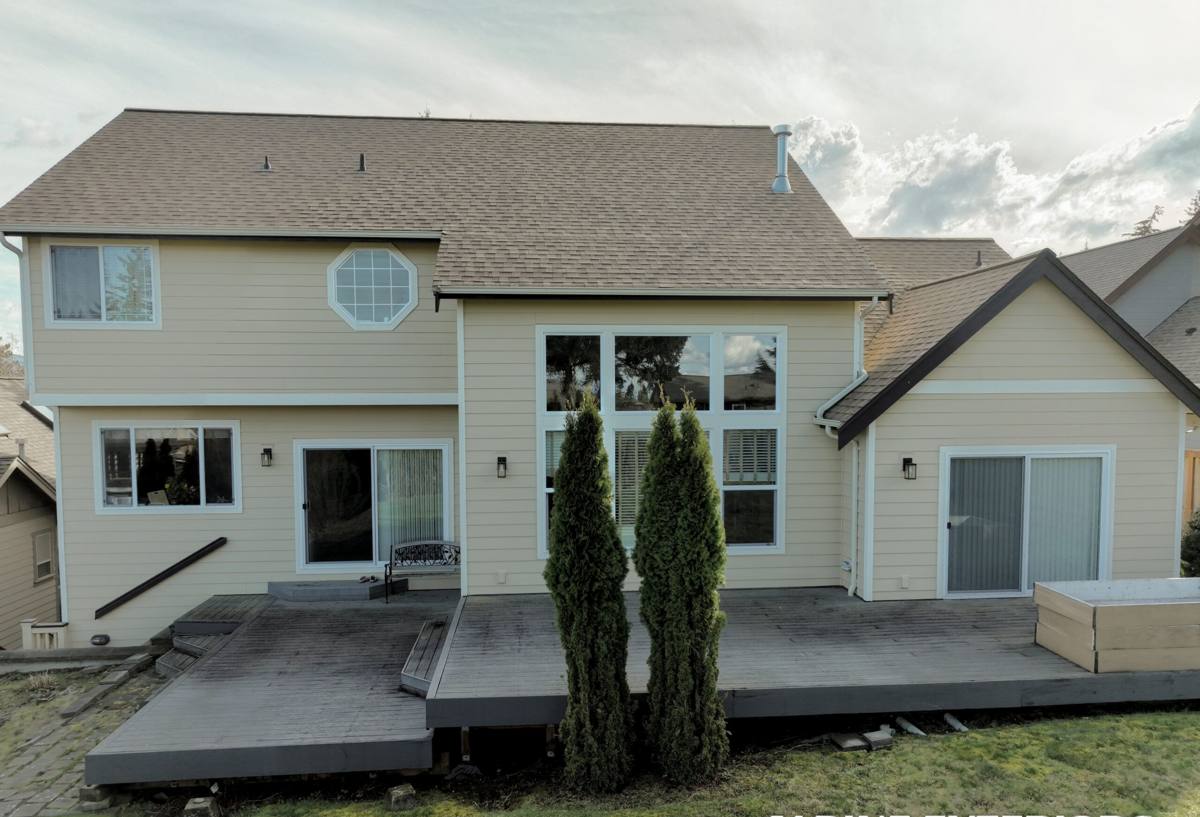
What Ybor City's Climate Does to an Outdoor Deck
Before we talk about materials and process, it helps to understand exactly what's working against a deck here:
- Salt air corrosion — metal fasteners, brackets, and hardware that aren't rated for coastal exposure can start rusting and losing strength years before the wood or composite decking around them shows wear.
- UV degradation — Florida sun bakes exposed wood fibers and breaks down the surface resins in lower-grade composite boards, leading to fading, checking, and splintering.
- Wind-driven rain — rain that comes in sideways during storms gets up under railings, into ledger connections, and behind fascia boards. If flashing and drainage weren't done right, that moisture has nowhere to go.
- Hurricane and high-wind loading — a deck isn't just a platform; it's a structure that has to resist uplift and lateral force. Connections that would pass in a calmer climate aren't enough here.
- Humidity and moisture cycling — constant swings between soaking rain and blazing heat cause wood to swell and shrink repeatedly, which loosens fasteners and opens joints over time.
None of this means a deck can't last decades in Ybor City — it means the design and construction choices have to account for all five of these stresses from day one, not get patched later.
Ybor City's Historic Character and What It Means for Deck Design
Working With Older Construction
A large share of homes in and around Ybor City are older structures — many with brick, masonry, or original wood-frame construction from a different building era. Attaching a deck ledger board to a house isn't a one-size-fits-all detail. A ledger bolted into a modern wood-framed rim joist is a very different connection than one anchored into old masonry or a brick veneer wall, and getting that wrong is one of the most common causes of deck failure anywhere, not just here. We evaluate the actual wall structure on site before deciding whether the deck should be ledger-attached or built as a freestanding structure with its own independent footings — which is often the safer, longer-lasting call on older Ybor homes.
Historic District Review
Homes within the Ybor City Historic District can fall under local architectural review guidelines that look at how a new structure relates to the character of the neighborhood — materials, visibility from the street, scale, and finish. If your property is inside that review area, we account for that in the design and permitting timeline up front rather than discovering it after plans are drawn. We're not a design-review authority ourselves, but we know how to design a deck that's straightforward to get approved rather than one that invites back-and-forth.
Choosing the Right Decking Material for This Climate
There's no universally "best" decking material — there's a best material for your budget, your maintenance appetite, and how exposed the deck is to sun and salt air. Here's how the main options compare for a Tampa/Hillsborough County backyard:
| Material | Upfront Cost | Maintenance | Heat & UV Behavior | Salt Air / Coastal Durability |
|---|---|---|---|---|
| Pressure-treated pine | Lowest | High — needs regular sealing/staining | Fades, can splinter and check under strong UV | Fair; fasteners are the weak point unless coastal-rated hardware is used |
| Composite decking | Mid to high | Low — occasional washing | Good UV resistance in quality boards; can get hot underfoot in full sun | Good; core material doesn't rot or corrode |
| PVC/cellular decking | Highest | Lowest — essentially wash-only | Excellent UV and moisture resistance | Excellent; fully synthetic, no wood fiber to absorb moisture |
| Tropical hardwood (e.g., ipe) | High | Moderate — periodic oiling to maintain color | Naturally dense and UV-tolerant, will gray without maintenance | Very good; naturally rot- and insect-resistant |
We don't push one product line over another as a default — we walk through this table with you against your actual budget and how much upkeep you realistically want to do. What we do insist on, regardless of decking material, is coastal-rated stainless or heavily coated fasteners and hardware. Cutting a corner there is the single most common way a deck develops rust stains and loose boards years before it should.
Structural Details That Matter More Here Than Elsewhere
Footings and Frost-Free Advantage, Offset by Soil and Water Table
Tampa doesn't have frost-line concerns, but Ybor City's low elevation and proximity to the water mean footings need to be sized and set correctly for the actual soil conditions on your lot, not just poured to a generic depth. We check this on every project rather than assuming.
Wind-Rated Connections
Post-to-beam and beam-to-ledger connections need hardware rated for the wind uplift and lateral loads that come with Hillsborough County's building code requirements — this typically means hurricane ties, structural screws instead of nails at key joints, and joist hangers rated for the load, not just whatever's fastest to install.
Flashing and Drainage
Every ledger board needs proper flashing to keep wind-driven rain from getting behind it and into the house structure. This is a detail that's invisible once the deck is finished — which is exactly why it's the detail that gets skipped by crews trying to save time.
- Ledger flashing installed and lapped correctly, not just caulked
- Joist hangers and structural screws rated for the actual load path
- Coastal-grade or stainless fasteners throughout, including railings
- Footings sized for local soil conditions, not a generic minimum
- Post bases that keep wood off standing water after heavy rain
- Railing and baluster spacing that meets current code
- Permit pulled and inspected at the correct stages, not just at the end
How Our Process Works for a Ybor City Deck
1. On-Site Consultation
We walk the property, look at the existing structure the deck will attach to (or whether it should be freestanding), talk through how you'll actually use the space, and take real measurements — not a phone estimate.
2. Design and Material Selection
We put together a layout that fits your lot and your goals, and go over material options honestly, including trade-offs in cost, maintenance, and how each will hold up to Tampa's sun and salt air over the years you'll own the house.
3. Permitting
We handle the Hillsborough County permit application and, if the property is inside the Ybor City Historic District's review boundary, we build that review step into the schedule from the start instead of treating it as a surprise delay.
4. Construction
Footings, framing, decking, and railings are built in that order with inspections at the structural stages, not just a final walk-through. We don't cover framing connections before they've been checked.
5. Final Walk-Through
We go over the finished deck with you, point out anything you should know about care and maintenance for the specific material you chose, and make sure you're clear on what (if anything) needs periodic attention.
Designing for Ybor City's Smaller, Older Lots
A lot of Ybor City properties sit on tighter urban lots than newer Tampa-area subdivisions, often with less setback from neighboring homes and less usable yard depth. That changes deck design in practical ways:
- Multi-level or smaller-footprint layouts that make the most of a compact backyard
- Privacy considerations where houses sit closer together than in newer developments
- Shade structures like pergolas built into the design, since a fully exposed deck in Tampa's summer sun can be unusable in the middle of the day
- Attention to how the deck reads from the street or alley on properties inside the historic district
If your property is used as a rental or short-term rental — not uncommon in this part of Tampa — we also factor durability and low-maintenance materials into the conversation differently than we would for an owner-occupied home, since upkeep often falls to a property manager rather than the owner day to day.
Keeping Your Deck Sound for the Long Haul
Even a well-built deck needs a little attention in this climate. A short annual check catches small issues before they become expensive ones:
- Look for any fastener heads showing rust or corrosion, especially near railings and stair connections
- Check the ledger flashing area for staining or soft wood, which can signal water getting behind it
- Clean composite or PVC decking to remove salt residue and pollen buildup that can trap moisture
- Re-seal or re-oil wood decking on the schedule appropriate to that material — don't wait until it looks gray and dry
- Confirm railings and stair connections are still tight; humidity cycling can loosen fasteners over time
Why a Crew That Already Works in Ybor City Is Worth Choosing
A deck built by a crew unfamiliar with Hillsborough County's permitting process, the Ybor City Historic District's review expectations, or the realities of building on older masonry and tight urban lots is a deck that's more likely to hit delays, get flagged at inspection, or fail early from wrong-for-climate material and hardware choices. We already do this work in this neighborhood — we know what inspectors here look for, what older Ybor construction requires for a safe ledger connection, and how to design around a smaller lot without it feeling cramped. That local knowledge shows up as fewer surprises during your project, not just a nicer-sounding sales pitch.
If you're thinking about a custom deck for your Ybor City home, we're happy to walk the property and put together a straightforward, no-pressure estimate — just fill out the form below and we'll set up a time to take a look.