 Tampa Siding
 Why Davis Islands Windows Take More Planning Than a Typical Tampa Job
Davis Islands sits out on the water, connected to downtown Tampa by bridge, and that location changes what a window has to survive. Homes here face open exposure across Tampa Bay with little to break the wind, plus the salt-laden air that comes with living this close to the water. Add in Hillsborough County's year-round UV load and the wind-driven rain that shows up during summer storms and hurricane season, and a window that would hold up fine ten miles inland can fail early here — seals give out, hardware corrodes, and frames chalk and fade faster than the homeowner expects.
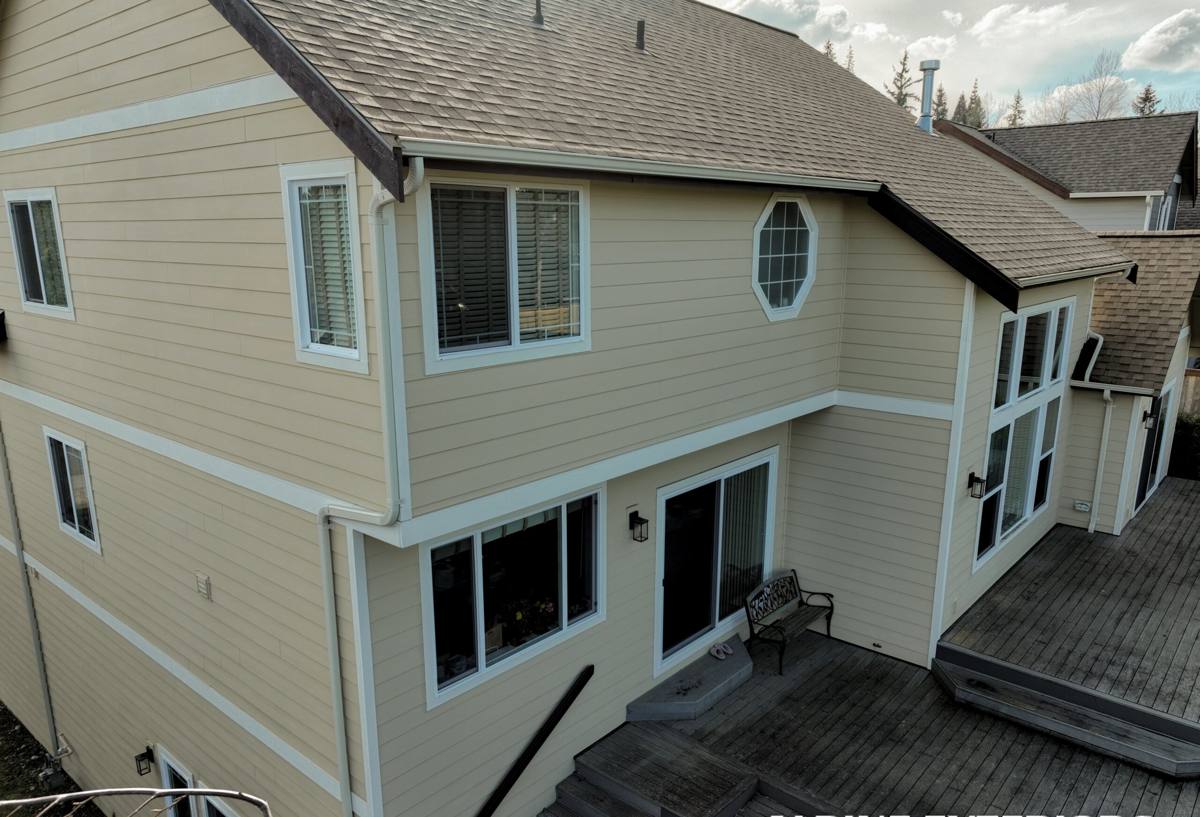
Because so many Davis Islands homes are older and architecturally distinct — a mix of Mediterranean Revival and other early-20th-century styles alongside newer waterfront construction — "custom" isn't a marketing word on this job. Openings are frequently non-standard sizes, arched, or otherwise built to match a look you won't find in a stock catalog. Getting it right means treating each home as its own project, not running the same window package we'd use in a newer subdivision.
What a Correct Custom Window Job Actually Involves
A window replacement that's done right on Davis Islands covers more than picking a style out of a brochure. It has to account for:
- Accurate field measurement of openings that are often out of square on older homes, so the new unit doesn't rely on excess caulk or shims to fit
- Impact-rated or otherwise wind-load-appropriate glass and frame assemblies matched to the home's actual exposure
- Correct flashing and water management around the rough opening — this is where most window leaks actually start, not at the glass
- Hardware and fasteners rated for coastal/salt-air conditions, not standard interior-grade components
- Finish colors and profiles that match or complement the home's existing architecture, especially on historic or period-style houses
- A final seal and flashing detail that's inspected, not just caulked over and left
Skip any one of these and the window may look fine on install day but underperform within a few storm seasons — fogging between panes, water staining below the sill, or hardware that seizes up from corrosion.
Impact Glass vs. Standard Glass with Shutters
Homeowners near the water often ask whether they need true impact-rated glass or whether standard glass with removable/accordion shutters is enough. Both are legitimate approaches under Florida's building code, but they trade off differently. Impact glass stays in place year-round, requires no action before a storm, and holds up to UV and wind-driven rain as daily wear, not just during named storms. Shutter systems can lower the upfront window cost but put the burden on the homeowner to deploy them correctly every time, and they don't do anything for day-to-day sun and rain exposure the rest of the year. For a waterfront property like the ones on Davis Islands, we generally recommend impact glass as the lower-maintenance long-term choice, but it's a real decision with real trade-offs, not a one-size answer.
Florida Building Code and Wind Requirements on Davis Islands
Tampa and Hillsborough County fall under Florida's wind-borne debris region requirements, which means replacement windows need documented product approval for the wind loads and impact criteria that apply to the property. That approval paperwork matters for two practical reasons: it's what the City of Tampa permitting office needs to sign off on the job, and it's what your insurance carrier will want to see if you're claiming wind-mitigation credits or filing a storm-related claim down the road.
Permitting on an older or historic-adjacent home can also involve more back-and-forth than a standard suburban permit — inspectors may look closely at how flashing and anchoring were handled on masonry or older wood-frame construction. A contractor who pulls permits in this area regularly knows what the inspector will want to see the first time, instead of guessing and scheduling extra re-inspections.
Material and Frame Comparison for a Waterfront Property
| Frame Material | Salt Air / Corrosion Behavior | Maintenance | Best Fit |
|---|---|---|---|
| Vinyl | Does not corrode; UV-stable formulations resist fading | Low — occasional cleaning | Most homes prioritizing low upkeep |
| Aluminum | Can corrode over time near salt air unless properly coated/anodized | Moderate — coating should be inspected periodically | Modern architectural styles, larger spans |
| Wood/Wood-clad | Vulnerable to moisture and salt exposure without diligent upkeep | High — regular sealing/painting needed | Historic homes where original look matters most, when maintained |
| Fiberglass | Very good corrosion and UV resistance | Low | Homeowners wanting long service life with minimal upkeep |
There's no single "best" frame for every Davis Islands home — a historic property may call for a wood-look profile even though it demands more upkeep, while a rebuilt or newer waterfront home may be better served by vinyl or fiberglass for the lower maintenance. We walk through this trade-off with each homeowner rather than defaulting to whatever's easiest for us to install.
Custom Sizing and Matching Architectural Style
A large share of the work on Davis Islands isn't a simple swap of a standard-size window. Older homes here often have arched tops, transoms, or openings sized to a construction era that predates today's standard window dimensions. Getting a proper fit means either sourcing true custom units built to the exact opening or carefully modifying the opening in a way that doesn't compromise the structure or the home's appearance — and on a historic-style house, getting the sightlines, grille pattern, and trim profile wrong is very noticeable from the street.
We take full field measurements before ordering anything and confirm sizing against the actual opening rather than old permit drawings, since older homes frequently don't match their original plans exactly after decades of settling and past renovations.
Our Process for a Davis Islands Window Project
- On-site assessment — we look at existing window condition, framing, and any water damage or corrosion already present before recommending anything
- Measurement and product selection — matched to the home's exposure, architectural style, and the homeowner's maintenance preferences
- Permitting — pulled through the City of Tampa with the correct wind-load and impact documentation for the property
- Installation — proper flashing, sealing, and anchoring, not just fitting the unit into the opening
- Final walkthrough — checking operation, seals, and finish before we consider the job done
Because the island has limited bridge access and can see higher traffic during peak season, we plan crew scheduling and material delivery around that rather than treating it like any other Tampa street.
Why a Crew That Already Works Davis Islands Matters
Working on the island regularly means we already know the practical realities that slow other contractors down: the bridge access logistics, how the City of Tampa permitting office handles older-home applications, and what the salt air actually does to different materials over a few years versus what a spec sheet claims. That familiarity shows up as fewer surprises mid-project — not a marketing claim, just the practical benefit of having done this work in this specific neighborhood before.
It also matters for homes under any homeowner association or architectural review guidelines that apply to exterior changes on the island. We can talk through what documentation or approval steps a given property may need before work starts, rather than finding out after materials are already ordered.
Cost Factors to Expect
| Factor | Why It Affects Price |
|---|---|
| Impact vs. standard glass | Impact-rated assemblies cost more upfront but reduce storm-prep labor and long-term wear |
| Custom vs. standard sizing | Non-standard or arched openings require custom-built units, which cost more than stock sizes |
| Frame material | Fiberglass and higher-grade vinyl typically cost more than basic aluminum but need less upkeep |
| Number of openings and access | Second-story or hard-to-access windows add labor time |
| Existing damage | Rot, corrosion, or water damage found during removal adds repair scope before the new window goes in |
We give a broad range on the phone at most, but an accurate number only comes from seeing the actual openings, existing condition, and the product tier the homeowner wants — which is what the on-site estimate is for.
Maintaining Custom Windows in a Waterfront Climate
- Rinse frames and glass periodically to clear salt residue before it builds up
- Check and lubricate hardware (locks, hinges, rollers) on a regular schedule since salt air accelerates wear
- Inspect exterior caulking and sealant annually, especially after storm season, and address gaps early
- Keep window wells and weep holes clear of debris so water can drain as designed
- Have a professional check flashing and seals if you notice any interior staining below a window
If you're weighing a window project for a Davis Islands home, we're glad to walk the property, look at what you're working with, and give you a straight answer on what it needs. There's a free, no-pressure estimate form below — fill it out and we'll set up a time to come take a look.