 Tampa Siding
 Why Decks in Town 'n' Country Wear Out Faster Than You'd Expect
Town 'n' Country sits inland from Tampa Bay, but it still gets the full package of what Hillsborough County weather does to an outdoor structure: long stretches of intense UV that bake wood and composite decking day after day, sudden downpours that drive rain sideways into joints and railings, and tropical-system winds that rack a deck frame even when the storm itself passes well offshore. Add in Florida's humidity, which barely lets lumber dry out between rain events, and you have a set of conditions that ages a deck on a timeline most homeowners never planned for.
None of this means a deck is a bad investment — it means a deck built or repaired without Tampa's climate in mind will fail early, usually starting at the connections: fasteners, ledger boards, post bases, and stair stringers. A deck repaired correctly for this area holds up; one patched with generic methods tends to need the same fix again within a couple of years.
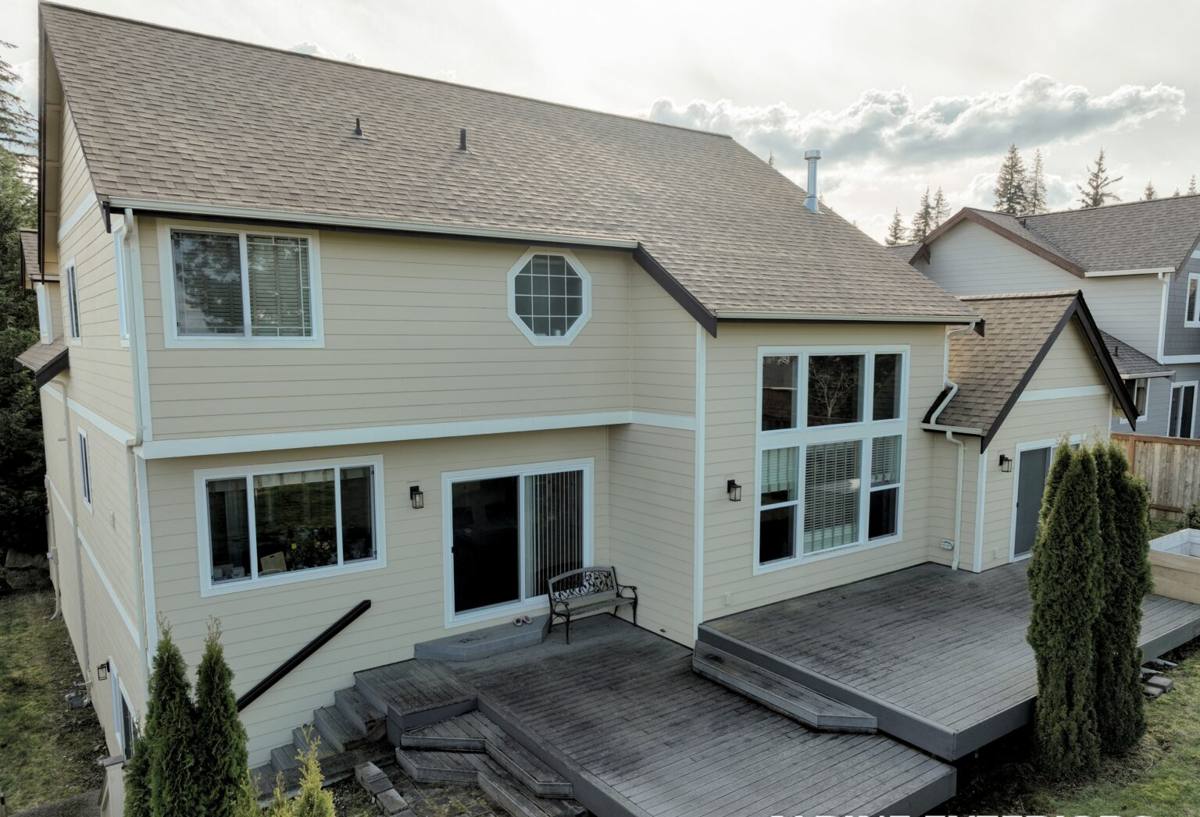
The Warning Signs Worth Acting On
Deck problems rarely start where you can see them. By the time boards look bad, the framing underneath has usually been dealing with moisture for a while. Here's what we tell Town 'n' Country homeowners to check a few times a year:
- Soft, spongy, or bouncy spots when you walk across the deck
- Railings or posts that wiggle more than they used to
- Rust streaks below screws, nails, or joist hangers
- Gaps opening up where the deck ledger meets the house
- Boards that cup, crack, or have started to gray unevenly
- Stair stringers that feel less solid underfoot
- Any spot where standing water lingers after rain instead of draining off
Any one of these on its own might be minor. Two or three together, especially near the ledger board or stairs, usually mean it's time for a real inspection rather than a cosmetic fix.
Where the Damage Actually Starts
Most deck failures we see in this area trace back to a handful of components. Knowing which one is failing changes how the repair should be done.
| Component | What Goes Wrong | Usual Cause in This Climate |
|---|---|---|
| Ledger board (deck-to-house connection) | Rot, separation, water staining on siding above | Missing or failed flashing letting wind-driven rain behind the board |
| Joists & beams | Soft wood, sagging, hanger pull-away | Trapped moisture, undersized or corroding fasteners |
| Posts & footings | Wobble, cracking at grade, shifting | Ground movement from heavy rain cycles, inadequate original footing depth |
| Decking boards | Cupping, splintering, fading, cracking | Prolonged UV exposure plus repeated wet-dry cycling |
| Fasteners & hardware | Rust streaks, popped heads, weakened hold | Standard hardware corroding faster in humid, coastal-influenced air |
| Railings & stairs | Loose posts, flex, stringer rot | Concentrated foot traffic and moisture at connection points |
What an Honest Deck Repair Actually Involves
A repair that lasts starts below the surface, not with new boards laid over old problems. Our process on any Town 'n' Country deck starts with pulling decking near suspected trouble spots to look directly at the framing — because a deck can look fine on top and still have compromised joists or a failing ledger connection underneath.
Structural Checks We Never Skip
- Ledger board attachment and flashing condition where the deck meets the house
- Joist and beam integrity, checking for soft spots with a probe, not just a visual look
- Post and footing stability, including whether footings are appropriately sized and set
- Fastener and hardware condition — corroded hardware gets replaced, not reused
- Proper drainage and slope so water sheds away instead of pooling on framing
- Stair stringer condition, since stairs take concentrated load and weather exposure
Once we know what's actually wrong, the repair plan addresses the cause, not just the symptom. Replacing a few cracked boards over a rotting joist isn't a repair — it's a delay. We tell homeowners this plainly even when the honest answer is a smaller job than they expected, or occasionally a larger one.
Repair or Replace? How We Actually Decide
Not every deck problem calls for a full rebuild, and not every deck is worth patching indefinitely. The decision usually comes down to how much of the structural frame is still sound versus how much has been compromised by years of Tampa sun and rain.
| Factor | Leans Toward Repair | Leans Toward Replacement |
|---|---|---|
| Framing condition | Joists and beams still solid, isolated soft spots | Widespread rot or repeated failures in the frame |
| Age of the deck | Under 10-12 years, built to reasonable standards | Older deck already past a typical service life |
| Ledger connection | Sound, properly flashed | Failed flashing with ongoing water intrusion into the house wall |
| Decking material | Boards worn but framing underneath is fine | Decking and substructure both failing together |
| Footings | Adequately sized, stable | Undersized, shifting, or not meeting current code depth |
When a deck is close to the line, we lay out both options with real numbers so the homeowner can decide based on cost and how many years they want out of it — not based on guesswork.
Materials: What We Use and Why
Both wood and composite decking work in Tampa when installed and fastened correctly — the material isn't usually the reason a deck fails, the connections and moisture management are. That said, each comes with trade-offs worth knowing before a repair or partial rebuild.
- Pressure-treated wood: Lower material cost, familiar look, but needs regular sealing or staining to hold up against year-round UV and humidity. Skipped maintenance shows up fast here.
- Composite decking: Higher upfront cost, minimal maintenance, better resistance to UV fading and moisture absorption over time — but installation has to account for expansion and contraction in Florida heat, and hidden fastening systems require careful, consistent work.
- Hardware and fasteners: Whatever the decking material, we use corrosion-resistant fasteners and connectors rated for exterior, high-humidity use. This is one area we won't cut corners on, since fastener failure is one of the most common causes of the repeat repairs we get called out to fix.
We'll walk through the honest maintenance burden of each option for your specific deck rather than push whatever's easiest to sell.
Our Repair Process, Start to Finish
- On-site inspection: We look at the whole structure, not just the spot you called about, including a physical check of framing where accessible.
- Written scope and estimate: You get a clear breakdown of what's failing, what needs to be replaced versus repaired, and why.
- Structural repair first: Ledger, joists, posts, and footings get addressed before any cosmetic work begins.
- Hardware upgrade: Corroded or undersized fasteners and connectors are replaced with corrosion-resistant hardware suited to this climate.
- Decking and railing work: Boards, railings, and stairs are repaired or replaced to match the rest of the deck as closely as possible.
- Final walkthrough: We check the deck is solid, level, draining properly, and safe before we consider the job done.
Permits and Codes in Hillsborough County
Deck repairs that go beyond simple board replacement — anything touching structural framing, footings, or railings — typically fall under permitting requirements in Hillsborough County. This isn't a formality to skip past. Proper permitting means the repair gets inspected against current code, which matters most for the structural elements: footing depth, joist spacing, and railing height and spacing are all safety items, not cosmetic preferences. We handle the permitting process as part of the job so homeowners aren't left navigating it alone, and so the repair holds up if the home is ever sold or insured.
Why a Crew That Already Works Town 'n' Country Matters
A deck repair crew that works regularly in this specific area has already seen how local lot conditions, tree cover, drainage patterns, and sun exposure play out on real decks nearby — not just in a manual. That translates into faster, more accurate diagnosis: knowing which failure patterns show up most in this neighborhood, what soil and drainage conditions around here tend to do to footings, and which fixes have actually held up over time versus which ones needed a repeat visit.
It also means straightforward logistics — permitting familiarity with Hillsborough County's process, no long mobilization delays, and a crew that can come back easily for a follow-up check if you want one. For a structural repair on your home, that local track record is worth more than a lower bid from a crew that's never worked in the area.
Keeping Your Deck in Good Shape After the Repair
A well-executed repair still needs some upkeep to get its full life out of it, especially given how hard Tampa's sun and rain work on outdoor structures year-round.
- Rinse off debris, pollen, and organic buildup regularly so it doesn't trap moisture against the boards
- Reseal or restain wood decking on the schedule recommended for the product — don't wait until it looks dry and gray
- Check railings and stair connections for looseness a couple of times a year
- Keep gutters and downspouts clear so runoff isn't dumping extra water onto or under the deck
- After any major storm, do a quick visual check of posts, footings, and the ledger connection
None of this takes much time, but it's the difference between a deck that lasts and one that's back on a contractor's schedule in a couple of years.
If your deck has soft spots, loose railings, rust stains, or you just haven't had it looked at in a while, we're happy to come out, take an honest look, and give you a straight answer on what it needs. Fill out the form below for a free, no-pressure estimate.