 Tampa Siding
 Why New Tampa Homes Need a Different Window Strategy
New Tampa sits inland from the bay, but that doesn't spare it from the conditions that wear down windows across Hillsborough County: long stretches of intense UV, heavy afternoon humidity, wind-driven rain from summer storms, and the occasional direct hit from a tropical system. Add in newer subdivisions built with large expanses of glass to catch natural light, and you get homes where the windows are doing double duty — keeping conditioned air in and keeping Florida out.
A window that isn't matched to this climate shows it fast. Seals degrade under UV exposure, single-pane or older double-pane units let heat radiate straight through in the afternoon, and any gap in the frame or flashing becomes an entry point for wind-driven rain during a summer downpour. None of that is exotic — it's just what happens when a window built for a milder climate gets asked to perform in ours.
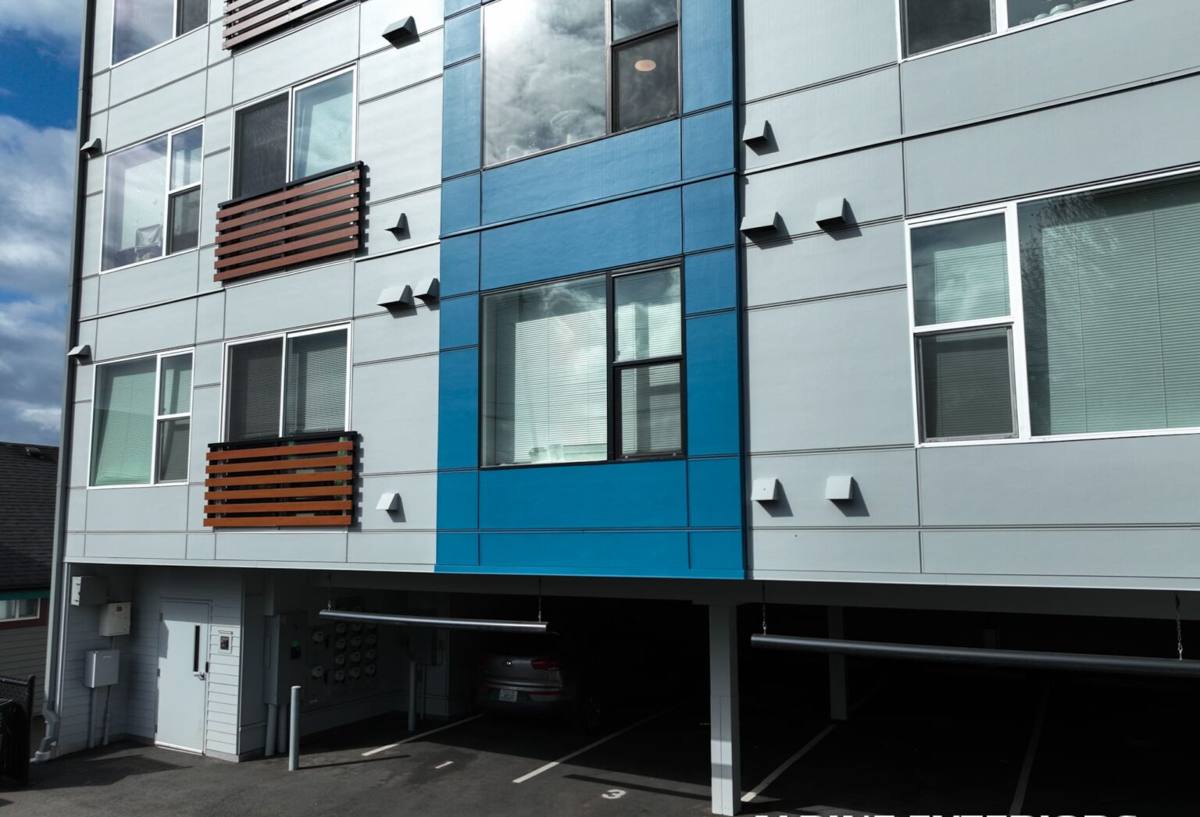
What "Energy-Efficient" Actually Means Here
Energy-efficient window marketing gets thrown around loosely. For a New Tampa home, the term needs to translate into a few concrete performance numbers and construction details, not just a sticker on the glass.
The Numbers That Matter in Our Climate
- Low U-Factor — measures how much heat transfers through the window. Lower is better for keeping AC-cooled air inside during our long cooling season.
- Low SHGC (Solar Heat Gain Coefficient) — measures how much solar heat passes through the glass. In Tampa's sun exposure, this is often more important than U-Factor because it directly affects how hard your AC works during peak afternoon hours.
- Air Infiltration rating — a low number here means less humid outside air leaking in around the sash, which matters both for comfort and for keeping moisture out of wall cavities.
- Impact rating — for many Hillsborough County homes, especially those without shutters or panels, impact-rated glass adds wind-borne debris protection on top of the efficiency benefits.
A window can carry an ENERGY STAR label and still be a poor fit if the SHGC is too high for a west-facing wall that bakes in the afternoon sun, or if it's not rated for the wind zone your section of New Tampa falls under. Matching the glass package and frame to the specific exposure of each wall of the house is where a proper assessment earns its keep.
Frame Material Trade-Offs
| Frame Type | Heat/UV Behavior | Moisture Behavior | Maintenance |
|---|---|---|---|
| Vinyl | Good insulator; quality vinyl resists UV fading with the right formulation | Won't rot; handles humidity well | Low — no painting or sealing |
| Aluminum | Conducts heat, can feel hot to the touch; needs a thermal break for real efficiency | Corrosion resistant but can pit near salt-influenced air | Low, but thermal break versions cost more |
| Fiberglass/Composite | Excellent insulator, stable in heat | Very stable, minimal expansion/contraction | Low, higher upfront cost |
| Wood/Wood-clad | Good insulator but vulnerable if seals fail | Poor without diligent upkeep in humid climates | High — not something we recommend for direct Florida exposure without significant maintenance commitment |
We steer most New Tampa homeowners toward vinyl or fiberglass frames with a proper thermal break where aluminum is used. It's not that other materials can't work anywhere — it's that wood in particular carries a maintenance burden and moisture risk that doesn't make sense for our humidity and rain patterns unless a homeowner is committed to staying ahead of it.
Where Energy Loss Actually Happens
Homeowners often assume the glass itself is the whole story. In practice, a large share of energy loss and water intrusion problems trace back to installation details, not the window unit.
The Details That Separate a Correct Install from a Problem Waiting to Happen
- Proper flashing integration with the existing wall assembly, so water is directed out and down rather than trapped behind the siding.
- Correct shimming so the window sits square in the rough opening — a racked frame stresses seals and can prevent the sash from closing tightly.
- Continuous, compatible sealant at the perimeter — mismatched or degraded caulk is a common source of slow leaks that show up as stains or soft drywall months later.
- Insulating the gap between the window frame and rough opening correctly, without overpacking it in a way that bows the frame.
- Making sure the new window's nailing fin or mounting flange ties properly into the weather-resistive barrier behind the siding or stucco.
This is why two homes with identical windows can perform very differently. The product only delivers its rated efficiency if it's installed the way the manufacturer's system is designed to work.
Our Process for a New Tampa Window Project
1. On-Site Assessment
We walk the home and look at sun exposure by elevation, existing frame condition, evidence of past water intrusion, and how the current windows are performing. West and south-facing walls in New Tampa often carry the most solar heat gain and get prioritized differently than shaded north-facing rooms.
2. Product and Glass Package Selection
We talk through frame material, glass coatings (typically a Low-E coating tuned for our climate), and whether impact-rated glass makes sense for your specific exposure and budget. This isn't a one-size answer — a home backed up to open space with more wind exposure gets a different recommendation than a home tucked into a sheltered interior lot.
3. Removal and Prep
Old units come out carefully to avoid damaging the surrounding stucco, siding, or interior trim. We inspect the rough opening for any hidden rot, moisture damage, or framing issues before a new window ever goes in — installing over a compromised opening just locks a problem behind new trim.
4. Installation
Flashing, sealing, shimming, and fastening are done to manufacturer specification, not shortcuts. This is the step that determines whether the window actually delivers its rated performance for the next 15-20+ years.
5. Final Check and Cleanup
We verify operation, check seals, and confirm the exterior finish work matches the surrounding wall so the new windows look intentional, not patched in.
Cost Factors for New Tampa Window Projects
Every home is different, but the line items that move the price are consistent. Rather than quote a number that won't reflect your actual project, here's what actually drives cost:
| Factor | Why It Matters |
|---|---|
| Number and size of openings | More or larger windows means more material and labor |
| Frame material | Vinyl is typically the most budget-friendly; fiberglass and impact-rated units cost more upfront |
| Impact rating | Impact glass adds cost but can reduce or eliminate the need for separate shutters/panels |
| Retrofit vs. full-frame replacement | Full-frame replacement costs more but is sometimes necessary if the existing frame or opening has damage |
| Access and second-story work | Upper-level windows take more time and equipment |
| Interior/exterior trim condition | Repairing surrounding stucco, siding, or trim adds to the scope |
We give straightforward, itemized estimates so you can see exactly what you're paying for and where there's room to adjust scope if budget is a factor.
Signs Your New Tampa Home's Windows Need Attention
- Rooms near west or south-facing windows feel noticeably hotter in the afternoon despite the AC running
- Condensation forming between panes, which usually means a failed seal on a double-pane unit
- Visible daylight or a draft felt around the frame when it's windy
- Difficulty opening, closing, or locking — often a sign the frame has shifted or warped
- Water staining on interior sills or drywall below windows after heavy rain
- Fading of nearby flooring or furniture from excessive UV transmission
- A noticeable jump in cooling costs without other explanation
Why Hire a Crew That Already Works in New Tampa
Window installation standards and wind-load requirements aren't identical everywhere in Florida — they're tied to Hillsborough County's adopted building code and the specific wind zone a property sits in. A contractor who works this area regularly already knows what inspectors here look for, what permitting looks like locally, and how to spec a window that actually meets code for your neighborhood without over-building (and over-paying) for a rating your home doesn't need.
Just as importantly, a local crew has seen how homes in this area age under Tampa's specific combination of sun, humidity, and storm exposure. That experience shows up in small decisions — sealant choice, flashing detail, which glass package makes sense for a shaded lot versus an open one — that a crew unfamiliar with the area might not think to adjust for.
Get an Honest Assessment for Your Home
If your windows are underperforming, showing wear, or you're planning ahead for storm season, we're happy to take a look and give you a straight answer about what your home actually needs — no upsell, no pressure. Reach out below for a free estimate and we'll walk the property with you and talk through the options that make sense for your specific windows, exposure, and budget.