 Tampa Siding
 Roof Repair Built for Land O' Lakes Conditions
Land O' Lakes sits in the fast-growing corridor north of Tampa, where newer subdivisions and older ranch-style homes both face the same enemy: a Florida roof works harder here than almost anywhere else in the country. Between summer thunderstorms that roll in almost daily, the threat of hurricane-force winds during storm season, and UV exposure that runs year-round instead of seasonal, roofing materials age faster in this area than they would in a milder climate. A roof repair here isn't just patching a leak — it's addressing damage caused by a specific combination of heat, water, and wind that this part of the Tampa Bay region deals with every year.
This page covers what roof repair actually looks like for homes in Land O' Lakes and the surrounding Pasco County area: what typically fails first, what a correct repair involves, and how our process works when you call us out.
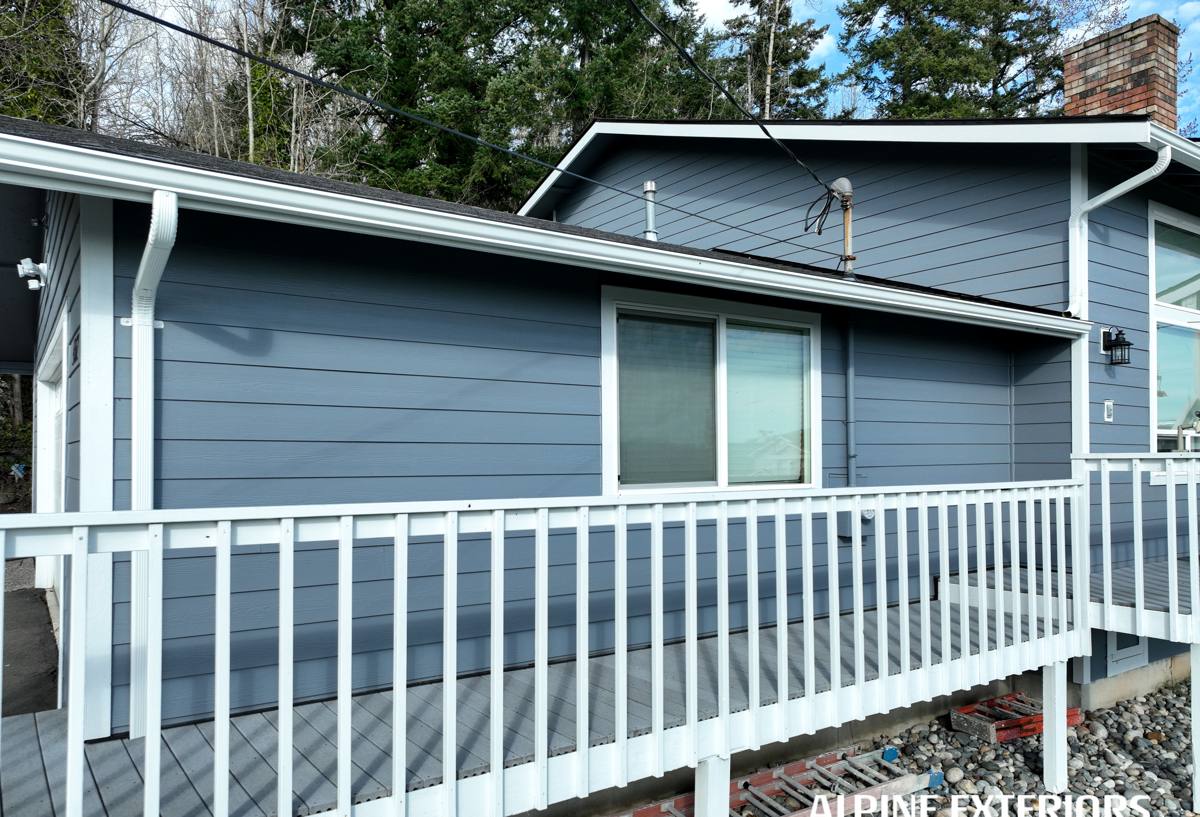
Why Roofs in This Area Take Extra Punishment
A few regional factors combine to shorten the useful life of roofing materials and create recurring repair needs:
Wind-Driven Rain
Florida storms rarely come straight down. Wind pushes rain sideways and up under shingle edges, tile laps, and flashing that would stay dry in a calmer climate. Once water finds a gap, it doesn't take a major storm to drive it into the decking — a strong afternoon thunderstorm can do it if a seal has already failed.
Intense, Constant UV
Asphalt shingles lose oils and become brittle faster under Florida's sun exposure than the manufacturer's rated lifespan assumes for a national average climate. Sealant strips, pipe boots, and exposed fasteners degrade from UV before the field material does, which is exactly why those small components are so often the actual source of a leak.
Hurricane-Force Wind Events
Even homes that never take a direct hit from a named storm get repeated wind loading every season. Repeated flexing loosens fasteners, lifts shingle tabs, and stresses ridge and hip caps — damage that often isn't visible from the ground until a leak shows up months later.
Humidity and Heat Cycling
Hot days and cooler nights cause roofing materials and the deck beneath them to expand and contract constantly. Over years, that cycling works fasteners loose and opens hairline gaps at flashing joints — small at first, but exactly where water gets in.
Common Roof Repair Needs We See in This Area
Most repair calls in Land O' Lakes fall into a few recurring categories:
- Flashing failures around chimneys, skylights, and roof-to-wall transitions where sealant has dried out and cracked
- Lifted or missing shingles after wind events, especially near ridges, hips, and roof edges where uplift pressure is highest
- Cracked or slipped tiles on tile roofs, often from foot traffic, falling debris, or age-related brittleness
- Deteriorated pipe boots and vent seals — usually the single most common source of a slow, hard-to-trace leak
- Valley and gutter-line leaks where water volume concentrates during heavy rain
- Soffit and fascia damage from long-term moisture intrusion at the roofline, which often shows up as a siding or trim problem before anyone realizes the roof is the source
That last point matters: because we work on the full exterior envelope, not just roofs, we're often the ones who catch a roof leak early — it shows up first as a soft spot in fascia board or a stain creeping down behind siding, well before it's obvious from inside the attic.
What a Correct Roof Repair Actually Involves
A Real Inspection First
A repair that doesn't start with a proper inspection is a guess. We check the obvious damage, but also the surrounding field — fastener condition, flashing at every penetration, valley condition, and the underlayment where it's exposed. A leak's exit point inside the house is often several feet from where water is actually entering the roof, so tracing it correctly is the difference between a repair that holds and one that reappears after the next storm.
Matching Materials, Not Just Covering the Hole
Patching over damaged shingles or tiles with mismatched material, or using the wrong flashing profile for the situation, is how "repairs" fail again within a year. A correct repair replaces damaged material with the right product for that roof type and ties it into the existing roofing system properly — correct lap, correct fastener pattern, correct sealant for outdoor UV exposure.
Code-Compliant Work
Florida Building Code has specific requirements for wind resistance and re-roofing/repair thresholds, particularly relevant after storm damage. Repairs that ignore fastening schedules or flashing details required by code aren't just a compliance issue — they're the reason many storm-damage repairs fail the next time wind loads the roof.
Sealing for the Long Haul, Not the Short Term
Given how much UV and moisture cycling this area sees, we use sealants and flashing materials rated for sustained outdoor exposure rather than general-purpose products that look fine on install day but fail within a season or two.
Repair or Replace? What Actually Decides It
Not every roof problem needs a full replacement, and not every leak is worth chasing with another patch. Here's how we help homeowners think through it honestly:
| Factor | Usually Points to Repair | Usually Points to Replacement |
|---|---|---|
| Age of roof | Under 10–12 years | Nearing or past manufacturer's expected lifespan |
| Extent of damage | Isolated area — one flashing point, a few shingles/tiles | Widespread wear or damage across multiple roof planes |
| Underlayment condition | Still intact where exposed and checked | Visibly deteriorated or failing in multiple spots |
| Repair history | First or second repair on this roof | Repeated repairs to the same or nearby areas |
| Typical cost range | Roughly a few hundred to low thousands of dollars, depending on scope | Typically several thousand to well into five figures, depending on size and material |
We'll give you a straight answer either way. If a repair is the honest fix, that's what we'll recommend — we don't upsell a full roof when a targeted repair will genuinely hold up.
Our Roof Repair Process in Land O' Lakes
- Inspection and diagnosis — we identify the actual entry point, not just the visible symptom
- Written scope and estimate — you know exactly what's being repaired and why before work starts
- Material match and prep — sourcing shingles, tiles, or flashing that match your existing roof as closely as possible
- The repair itself — removing damaged material, addressing the deck underneath if needed, and installing new material and flashing to current best practice
- Sealing and weatherproofing — every penetration and transition point gets sealed for Florida's UV and rain exposure, not just the immediate damage area
- Final walkthrough — we show you what was done and what to watch for going forward
Signs You Need a Roof Repair Now
Roof damage in this climate rarely announces itself loudly at first. Watch for:
- Water stains on ceilings or upper interior walls, especially after heavy rain
- Missing, curling, or visibly lifted shingles
- Cracked, slipped, or missing roof tiles
- Granules collecting in gutters or at downspout outlets
- Soft spots, staining, or peeling paint on soffit and fascia
- Visible daylight through the attic decking
- A musty smell in the attic or top-floor rooms
If you notice any of these after a storm, it's worth getting it looked at promptly — small leaks in this climate turn into deck rot and interior damage faster than in drier regions, simply because there's so much more rain and humidity working against an open gap.
Why Local Experience in Land O' Lakes Matters
A roof repair crew that already works this part of Pasco County and the greater Tampa Bay area knows which failure points show up most often on the roof types common here, understands the wind and rain patterns specific to this corridor, and isn't learning Florida Building Code requirements on your job. That local familiarity shows up in small but important ways — knowing which flashing details tend to fail first on this area's homes, sourcing matching materials without delay, and being available to respond quickly after a storm rather than working through a long out-of-town backlog.
We also treat roof repair as part of the whole exterior — flashing, fascia, soffit, and siding all interact at the roofline, and a repair that only addresses the roof while ignoring water damage to the trim underneath isn't a complete fix.
Get an Honest Look at Your Roof
If you're dealing with a leak, storm damage, or just want a professional opinion before the next storm season, we're happy to take a look. Fill out the form below for a free, no-pressure estimate — we'll tell you plainly what your roof needs, whether that's a repair or something more, and why.